
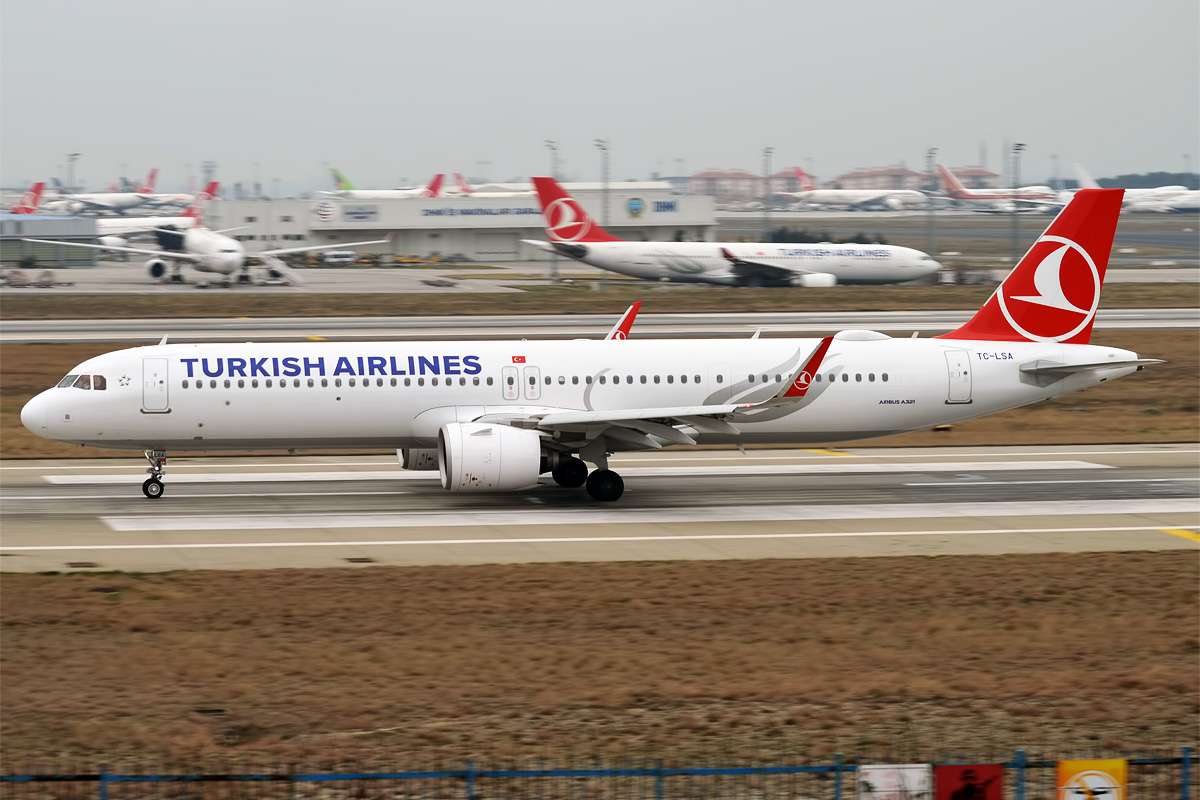
Turkish Airlines is one of the many airlines currently impacted by the Pratt & Whitney engine saga, affecting several aircraft types.
As part of the impacts, Turkish Airlines has been forced to ground single-aisle Airbus jets, which has hurt its ability to offer short—to medium-haul services and meet growth targets.
Most notably, the PW1100G engines affect the airline’s A320neo family aircraft. The geared turbofan engines have been a key topic of discussion in the industry and join the multitude of issues that have impacted airlines’ ability to operate a stable schedule.
Turkish Airlines has now reached a compensation agreement with International Aero Engines (IAE) following the operational impact and, thus, financial hurt.
The Turkish flag carrier said they reached an agreement to help compensate and mitigate some of the impacts it has faced from engine difficulties and availability.
Furthermore, the settlement involves revising purchase and maintenance agreements in the future. The Airbus single-aisle family will greatly influence the airline’s long-term growth targets.
Turkish Airlines wants to operate over 800 aircraft in the future and grow its network of destinations to over 400. It also wants to have more than 150,000 employees to support these growth targets.
Ultimately, these targets are ambitious, but the airline believes they can be achieved. For these targets to be achieved, the airline needs to have a fully functioning fleet or be compensated accordingly, and this agreement aids that.
Grounding of aircraft related to the engines will continue well into 2025, with the airline stating that these numbers will reach 40 to 45. The airline hopes pressures will begin alleviating after 2025, but with delays in inspections and part availability, this is an ever-evolving situation that can change immediately.
Several airlines worldwide feel similar because of the Pratt & Whitney difficulties; however, their response has varied greatly. Some airlines have been able to weather the storm and recover with time, whereas others have been forced to act more radically.
In the case of Air New Zealand, more leasing agreements have been required to help cope with the capacity loss due to the lack of available aircraft.

ABOUT THE AUTHOR
Daniel Fowkes is a Melbourne-based aviation analyst and journalist with over a decade of industry experience. As founder of Dj’s Aviation, he delivers trusted analysis on aircraft, airline strategy and global aviation trends for djsaviation.net
Related Articles




Stay Informed
Get the latest aviation news, analysis and route updates delivered to your inbox.
We respect your privacy. Unsubscribe at any time.
Enjoyed this story?
Make us your go-to for aviation news
Add us as a preferred source on Google and see our latest stories first in Top Stories.
Add Us On Your News Feed