

The 747X was among one of Boeing’s last-ditch proposed attempts to secure additional interest in the world-renowned quad-engined aircraft and aim to redefine the series.
Designed to upgrade the iconic 747 family, the 747X sought to enhance range, capacity, and fuel efficiency. Boeing believed that if executed correctly, it would garner additional customers.
So, what happened to the 747X? Why was this concept study launched? What were the core differences? Did Boeing make the right decision?
The Need For A Boeing 747X
The 747X, explicitly focusing on the X as present through the 777X and other speculated projects such as the 757X or 767X, was part of a broader mission to bring a new era to specific aircraft programmes.
This concept emerged during the 1990s when industry trends considerably shifted. Gone were the days when the most desired aircraft were high-capacity quad-engined aircraft, and twin-engine planes came, proving something different could be achieved.
Despite some customers’ desires shifting, this was also a period in which substantial markets were beginning to see rapid growth. As a result, Boeing felt that these emerging locations and their respective airlines would require a more high-capacity alternative to drive traffic.
While Boeing offered the 747-400, it wasn’t a stranger to attempting to find ways to develop the broader series to fill niche requirements or generally advance it further to meet shifting market trends, whether through the 747 TriJet or other aspects.
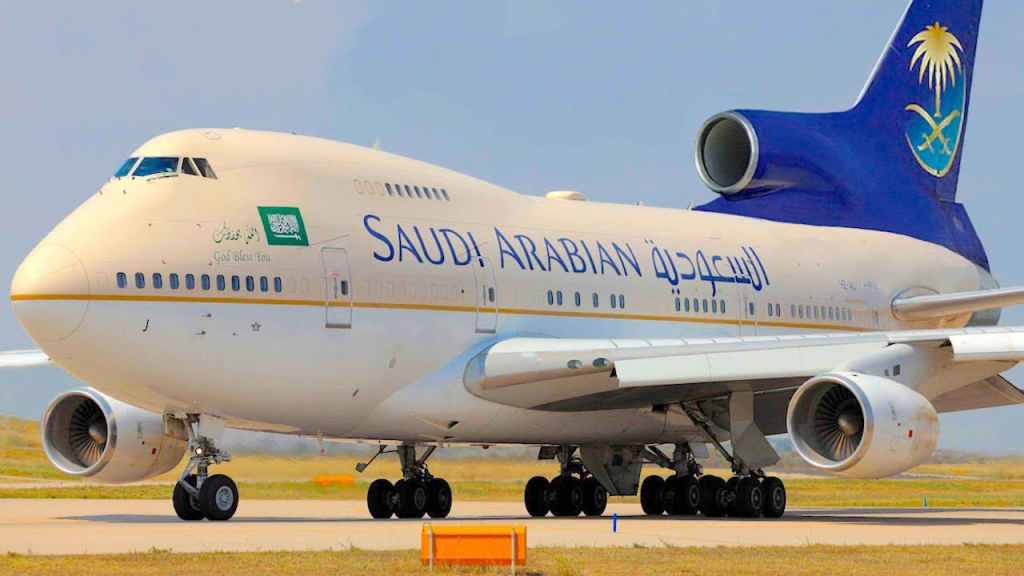
By the 1990s, it believed it needed to get radical and move ahead with something that would truly redefine the programme and allow it to advance into the 2000s and beyond with significant customer interest. This was in the form of the 747X.
Introducing The 747X
The 747X, in essence, aimed to fill a gap between the existing -400 model and Airbus’ anticipated A380 superjumbo, which was dubbed the A3XX.
Boeing envisioned a family of 747X variants rather than strictly just one type. The configurations put on the table were expected to range from stretch models to ones with enhanced range capabilities.
However, the 747X would seek to leverage technological developments over the years with configurations that included stretched and extended-range models.
With this model, Boeing hoped to retain the 747’s iconic purpose while making it competitive with the upcoming A3XX and finding ways to extend the life of the popular series, which had redefined long-haul travel.
Arguably, however, one of the more talked-about features of the 747X was its proposed double-decker design, which would extend the entirety of the fuselage, similar to what the A380 would do.
By extending the deck, the 747X would, yes, lose its iconic shape and hump but would see capacity extended further, which would aim to align with the direction Boeing believed customers and especially those from rapidly growing markets, would desire.
It must be clarified that the 747X was studied in the 1990s, with some discussion still emerging in the early 2000s. This was a period when twin-engine aircraft were coming through. At this point, Boeing still believed there was an appetite for larger aircraft such as this proposed one.
Whether through the Stretch or the base X, the multiple variants studied looked to provide a worthy solution to customers’ growing pains and ensure Airbus didn’t steal the show with its A3XX, which was being studied at the time.
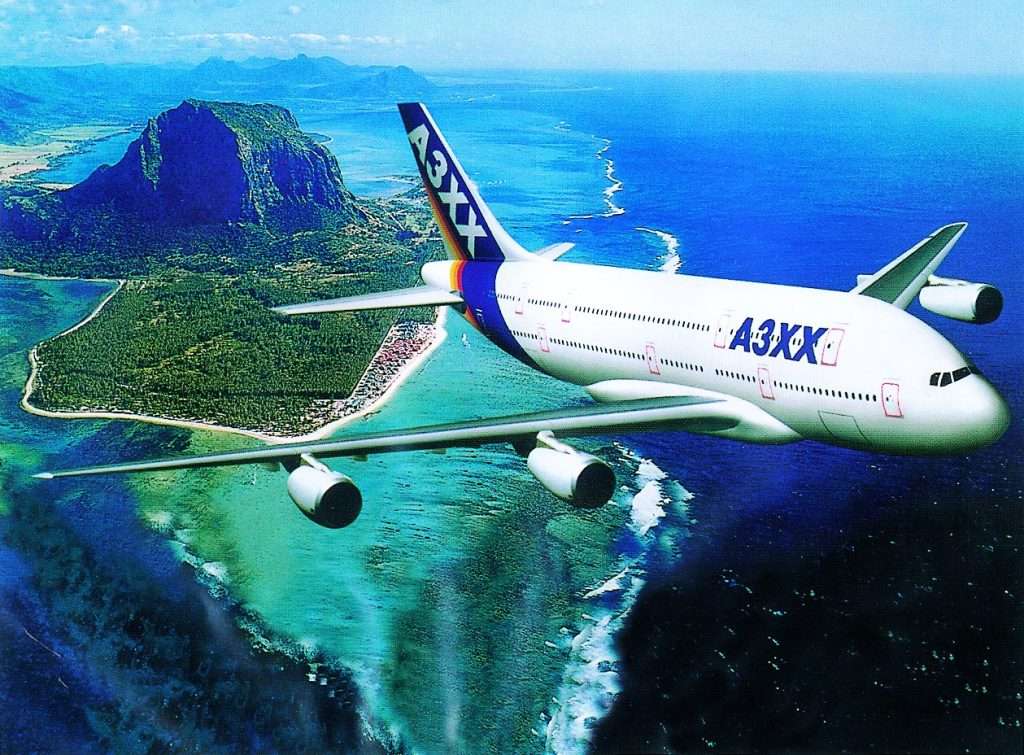
With hindsight, many analysts argue that Airbus and Boeing read the overall industry in different but equally not optimal manners with these high-capacity planes, which, while serving a purpose for some airlines, didn’t achieve the commercial success envisaged.
Why The 747X Wasn’t Released
Despite Boeing’s interest in progressing with such a concept, a 747X wouldn’t see the light of day and the final iteration of the queen of the skies would instead be in the -8 series. So, why didn’t Boeing proceed with the X variant?
Firstly, the market was changing dramatically while interest was present, especially across high-density routes requiring larger aircraft with larger capacity into slot-restricted airports. Thanks to this, gone were the days where quad-engined planes were the only ones considered, with twin-engine jets being more favourable.
Furthermore, this aligned with the shift in many airlines’ business models. The trend toward point-to-point flights rather than hub-and-spoke networks meant that medium-sized aircraft bypassing major hubs and directly reaching smaller airports were favoured. While outliers remained, the obvious shift simply couldn’t be seen, especially across locations such as the United States.
When examining a new variant, costs will also be an essential pillar of decision-making alongside fundamental interests. Boeing needed to ensure that its investment in the resources to make a 747X would net the return to make it profitable.
In reality, the 747X would need significant structural modifications, especially if looking to extend the fuselage further to create a full double-decker. That would also add to the modifications elsewhere to wings and engines, among many other avenues.
While always required in a new variant, all these investments present many risks, and Boeing is forced to evaluate these risks and determine what is best in every conceptual design. In this case, proceeding wasn’t worth the effort.
The late 1990s and early 2000s also marked significant advancements in twin-engine aircraft technology. Boeing’s 777, introduced in the mid-1990s, was already becoming a success, offering excellent efficiency and reliable transport across long-haul markets with a substantial capacity.

Moreover, the early stages of the 787 were taking shape. This aircraft helped reshape twin-engine flying in the modern era and showed airlines that flexibility could be key with just one aircraft family for their long-haul missions.
Did Boeing Make The Right Decision?
While Boeing would move ahead with the 747-8, developing the 747X didn’t seem worthwhile, all things considered, and for many other reasons not touched on.
As the 1990s approached, industry trends began to shift further, and Boeing knew that it needed to place a greater reliance on developing twin-engine alternatives.
The 747-8 would be released, but its response would be incredibly underwhelming from an order standpoint, so moving ahead with the many variants studied as part of the X series likely would have been a bad move with hindsight.
Instead, continuing to develop the 777 alongside the emergence of the 787 allowed Boeing to compete with Airbus, which was moving ahead with its own A350.

ABOUT THE AUTHOR
Daniel Fowkes is a Melbourne-based aviation analyst and journalist with over a decade of industry experience. As founder of Dj’s Aviation, he delivers trusted analysis on aircraft, airline strategy and global aviation trends for djsaviation.net
Related Articles




Stay Informed
Get the latest aviation news, analysis and route updates delivered to your inbox.
We respect your privacy. Unsubscribe at any time.
Enjoyed this story?
Make us your go-to for aviation news
Add us as a preferred source on Google and see our latest stories first in Top Stories.
Add Us On Your News Feed