

Sizeable aircraft order cancellations are rare, but not uncommon. Etihad Airways’ cancellation of its A350 order was expected but still significant.
For an airline that was so big on buying new planes throughout the 2010s, something had to go wrong for it to cancel an order for this widebody model.
Where did the A350 commitment begin, what happened to it, what happened to the airline itself, and how has Etihad Airways recovered?
An Initial Airbus A350 Commitment
Etihad Airways’ Airbus A350 order dates back almost two decades, to its first placement in 2008 at the Farnborough Airshow, when the airline committed to the widebody program.
As part of that agreement, which included a broader 205 widebody and narrowbody planes worth upwards of US $40 billion, the deal was broken up into 100 firm orders, 55 options and purchase rights for an additional 50 aircraft.
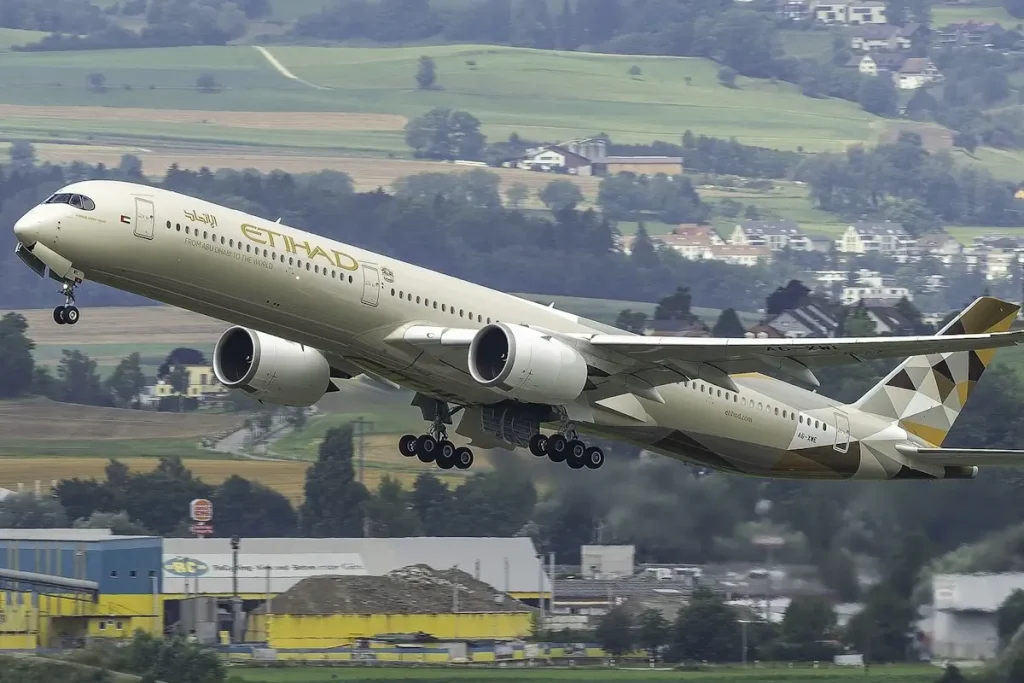
For the Airbus A350, there were firm orders for 25 planes powered by the Rolls-Royce Trent XWB engines, with additional options for 10 A350s and purchase rights for a further 15.
Over the next five years, the airline made adjustments to its commitment, primarily driven by the 2012 cancellation of 7 A350-1000 jets. By 2013, the revised order was expected to comprise 40 A350-900s and 10 A350-1000s.
These orders came at a critical point for Etihad Airways as it looked to grow its operations and expand aggressively to match what was visible across other locations in the Middle East, unaware of what these orders for these planes would eventually do to its business.
Order Cancellations Arrive
While not its first, Etihad Airways’ most significant order cancellation came towards the beginning of 2019, during the height of restructuring efforts and was quite substantial.
Etihad Airways’ order for the A350 had been the subject of much conversation long before 2019, as industry analysts believed there were many risks associated with the deal, given the airline’s period of intense restructuring, which was attempting to stop the bleeding from years’ worth of poor investments.

The order cancellation saw the airline significantly reduce its commitment to the A350 program, which previously stood at 62 aircraft spread across the -900 and -1000 models, representing more than just a reduction but the axing of one specific type.
Airbus confirmed earlier reporting from Flightglobal that the Abu Dhabi-based carrier had moved ahead with the cancellation of all A350-900 orders, meaning it would no longer take on the smallest member of the series, and also cancelled two A350-1000s.
As a result, the airline’s commitment to the A350 program had shrunk considerably, with just the remaining 20 A350-1000s on order at the time, with obligations to other widebody jets such as the 787 and 777X from competing Boeing.
What Happened To Etihad Airways?
The sizeable contract cancellation, which made headlines worldwide, hardly came as a surprise, not just because it was a long-speculated contract that was nearing the axe, but also because of the many struggles the airline had experienced over the years prior.
There were many decisions made by former executives at Etihad Airways that, when combined, led to the airline losing billions of dollars every year, staggering figures for a major international airline.
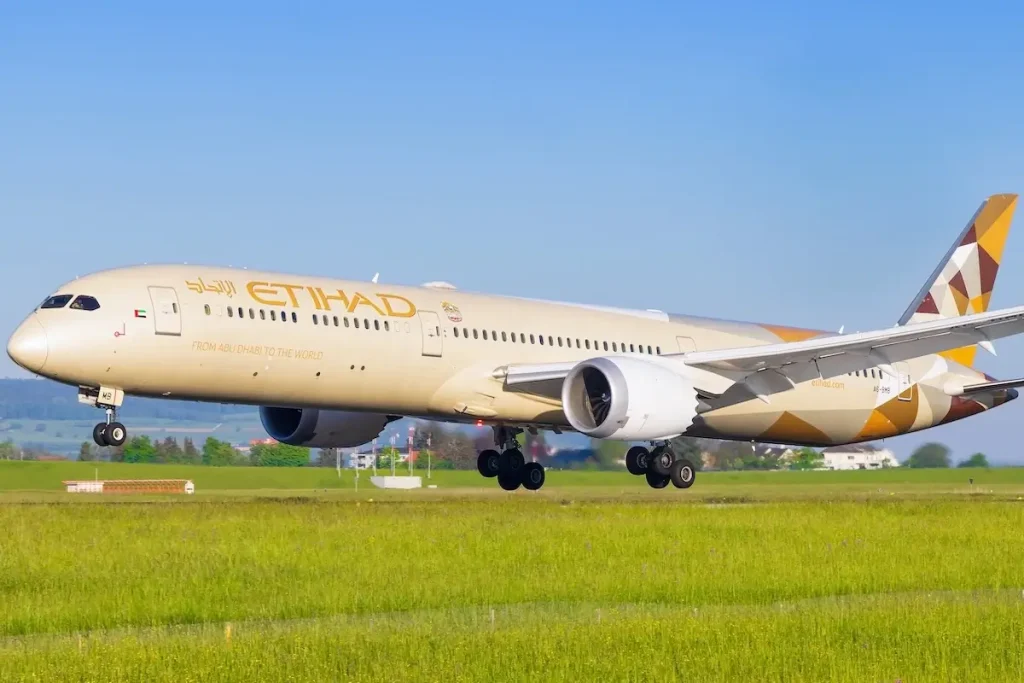
One of the biggest problems came from the airlines’ aggressive expansion in the early to mid-2010s, something it’s currently going through with its Journey 2030 ambitions; however, back then, it was conducted in the wrong way.
With such a focus on meeting demand out of Abu Dhabi, the airline committed to the next era of its fleet with sizeable contracts in the three-digit range to secure planes from Airbus and Boeing, the mix featuring many widebody and single-aisle jets.
However, these investments began hurting the airline very soon after, with analysts arguing that it had selected too many aircraft, which, when combined with subsequent internal issues, left it with planes far in excess of its requirements.
It wouldn’t just be orders for new planes; to this day, there has been a historic run of bad investments in global airlines as well. Each investment made by the airline seemingly didn’t work out, absolutely evident through names such as Airberlin and Alitalia, both arlines that no longer exist, and for good reason.
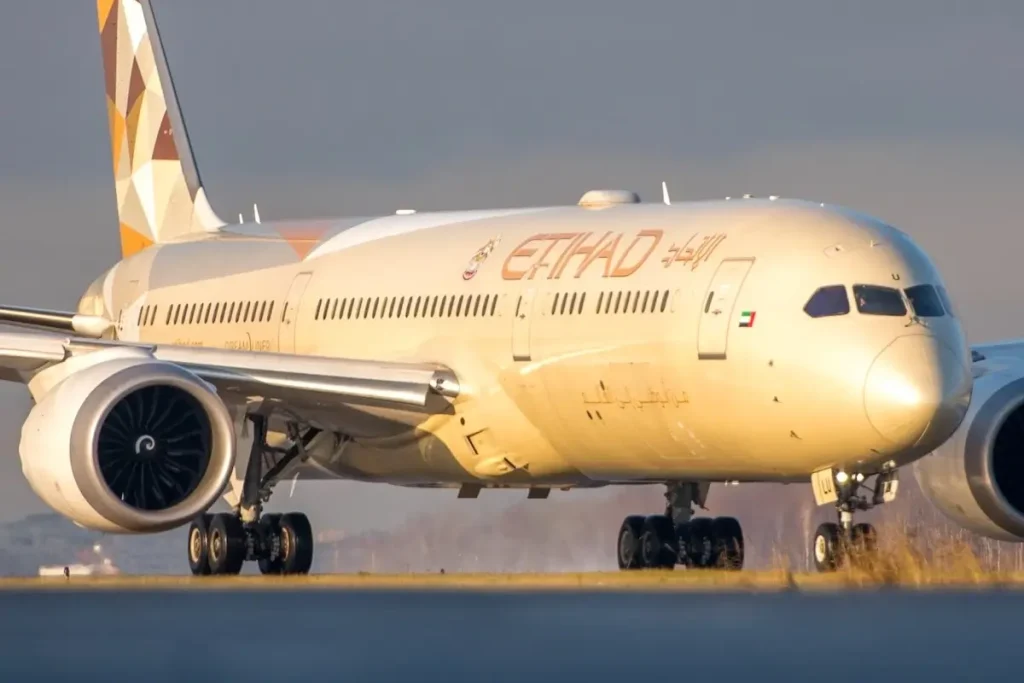
Unfortunately, while investments in airlines are a fantastic way to develop businesses’ connectivity and market share, as visible with Qatar Airways’ recent strategies, they have to be done right, and for this, the Abu Dhabi-based company would invest in an airline that failed.
Hoping to move forward similarly to other neighbouring airlines in the Middle East, leveraging its geographical position to its advantage, this backfired on the company. Not to mention the persistently rising fuel prices and other failures to battle competition, the airline began to struggle.
Etihad Airways Orders More A350s
While an airline can be struggling for an extended period, once recovery is achieved, you can never quite keep someone like Etihad Airways out of the spotlight, and that was evident at the Dubai Airshow 2025.
After many obstacles throughout the latter stages of the 2010s and early in the 2020s, including order cancellations for the A350 program, the Dubai Airshow represented the prime time to commit to more aircraft.
The airline returned to the A350-1000, the high-capacity model, with a further purchase of 7 aircraft to complement existing units already in its backlog and in operation.

Etihad Airways’ CEO said that adding more A350-1000s would help elevate long-haul flights and bring capacity to market. This is a model that continues to deliver exceptional perfromance right across its rather extensive route map.
That latest purchase, coming just last month, also highlighted the strong relationship Airbus and Etihad Airways continue to have with each other, despite all that has transpired over the previous decade for the Abu Dhabi-based carrier.
It shows that, with solid backing, even if there’s a plethora of poor decisions that spiral an airline out of control, with perseverance, there’s an opportunity to recover and move forward more positively, getting to a point where new orders are once more possible.

ABOUT THE AUTHOR
Daniel Fowkes is a Melbourne-based aviation analyst and journalist with over a decade of industry experience. As founder of Dj’s Aviation, he delivers trusted analysis on aircraft, airline strategy and global aviation trends for djsaviation.net
Leave a Reply
Related Articles




Stay Informed
Get the latest aviation news, analysis and route updates delivered to your inbox.
We respect your privacy. Unsubscribe at any time.
Enjoyed this story?
Make us your go-to for aviation news
Add us as a preferred source on Google and see our latest stories first in Top Stories.
Add Us On Your News Feed
Business growth
What us partner is Ethad airlines? Are they defunct ?