

When more than 20% of orders for the Airbus A330neo are cancelled, overnight shockwaves are felt across the industry.
AirAsia X’s landmark cancellation of one of the largest orders placed for the program in the early stages of 2022 followed years of turmoil.
Why was the aircraft ordered in such a sheer scale to begin with? What led to the cancellation, and how has the airline moved forward without the aircraft playing the role initially intended?
The Landmark A330neo Order
AirAsia X’s landmark purchase of the Airbus A330 took place in 2014 and represented one of the most critical deals since the widebody jet’s conception.
As part of the commitment, the airline became the launch customer for the next-generation widebody and committed to 50 A330-900s, part of the A330neo family.
The deal, initially signed as an MoU, was part of the airline’s long-term plan to replace the A330ceo, which was only going to continue to show signs of age, with the first delivery in 2018, four years after purchase.
Long haul low-cost is something we strongly believe in, and this order shows our confidence in the AirAsia X model. We lobbied hard for the A330neo after seeing the success of the A320neo, and working closely with Airbus, we have arrived at an aircraft that we are confident will allow us to expand our low fares offering beyond Asia Pacific to the rest of the world.
AirAsia Co-Founder and AirAsia X Group Chief Executive Officer Datuk Kamarudin Meranun
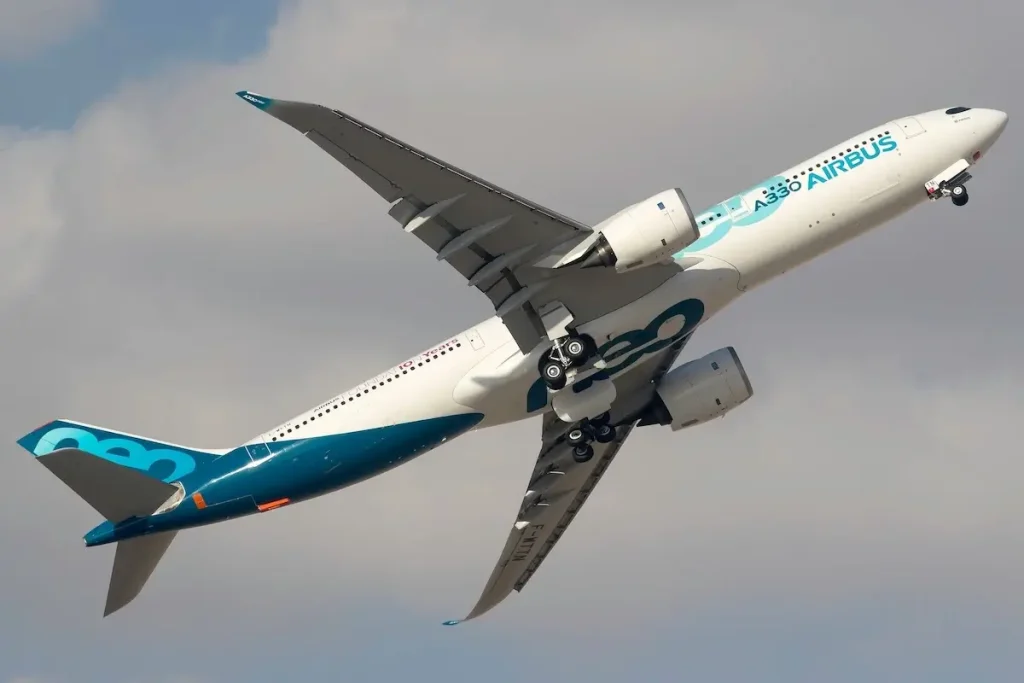
For AirAsia X, the purchase of the A330neo also sparked many internal discussions about what its future fleet would look like and what a deal for the more modest widebody would mean for its outstanding A350 order.
By 2018, at the Farnborough Airshow, AirAsia X would announce a further order for 34 A330neos, reaffirming its status as the largest customer for the program, with the number of jets ordered jumping to 100.
AirAsia X viewed the A330neo as the perfect model for non-stop services to Europe with suitable range and capacity, meaning Kuala Lumpur to London operations would come with lower operating costs.
All in all, the acquisition would align with the airline’s long-standing business model and, in the long term, enable it to fly farther while offering competitive airfares that could shake up specific markets.
AirAsia X Problems Begin
For AirAsia X, unfortunately, just as the A330neo orders had been confirmed, significant turbulence across the airline’s operations hit, impacting future deals such as these.
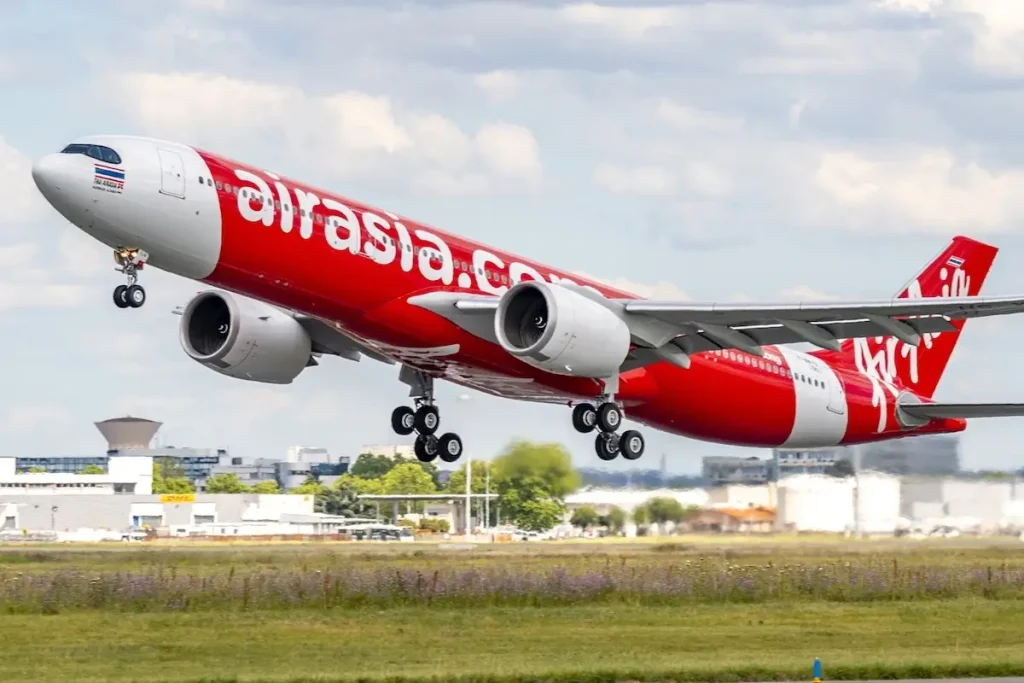
Described still as one of the more turbulent periods in the airline’s history, a financial collapse that led to a major restructuring hampered the airline for years and affected previously outlined strategies.
Being a low-cost carrier comes with additional pressures that a full-service operator does not face to the same extent; for AirAsia X, its long-proven business model began to show cracks in the latter stages of the 2010s.
The airline was facing a weakened Malaysian ringgit and further competition from other low-cost carriers on route segments it had long sought to dominate, meaning change was required if it wanted to see sustained profitability.
Unfortunately, AirAsia X was among the handful of carriers already facing financial challenges before the COVID-19 pandemic. While there’s no right time for this to occur, for these already struggling airlines it added a mountain of pressure that wasn’t needed.
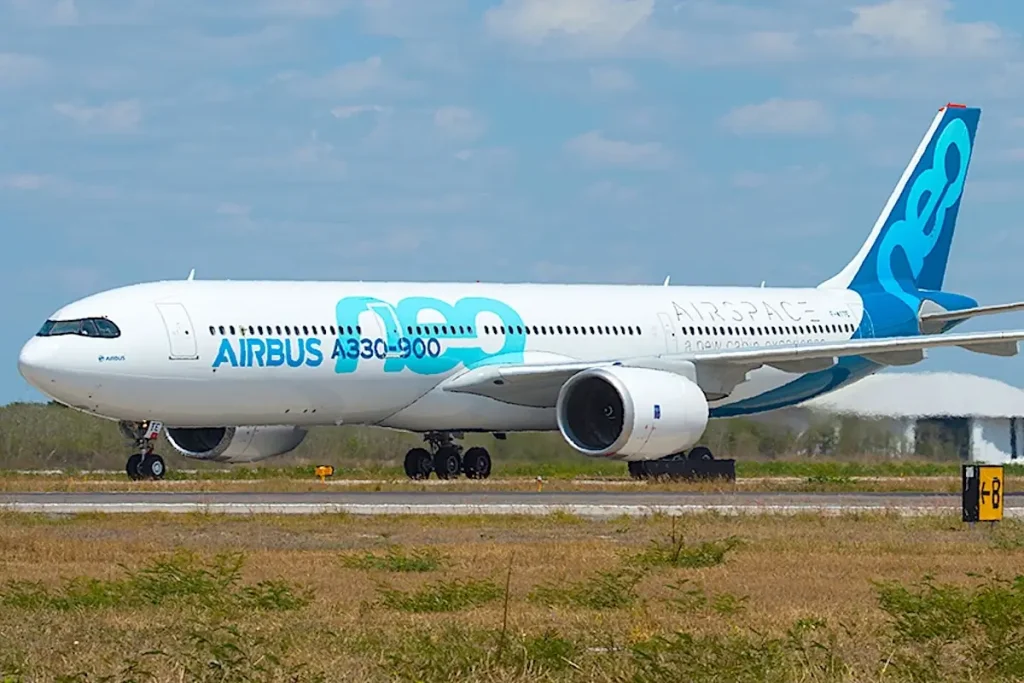
For this business, when the Malaysian government imposed strict border regulations, the core of AirAsia X’s operations could no longer operate, halting its day-to-day flying and causing problems to increase tenfold in a matter of hours.
With minimal flying and an already precarious financial position, revenue collapsed, and staggering losses were reported over two years, necessitating several restorations to prevent the airline from complete collapse.
Major decisions had to be made at the airline Group to ensure AirAsia X’s survival, and these were not always easy. These decisions are still affecting the airline today as 2025 comes to a close.
A Formal Cancellation Arrives
With mounting pressure on AirAsia X, in April 2022, a monthly report published by Airbus, which dives into their orders and deliveries, revealed that 63 A330neo orders had been cancelled.
At the time, the deal was a major setback for the A330neo program, coming during a period when the program was struggling for orders and AirAsia X had committed so heavily that its order represented a large share of the backlog, which no longer existed.
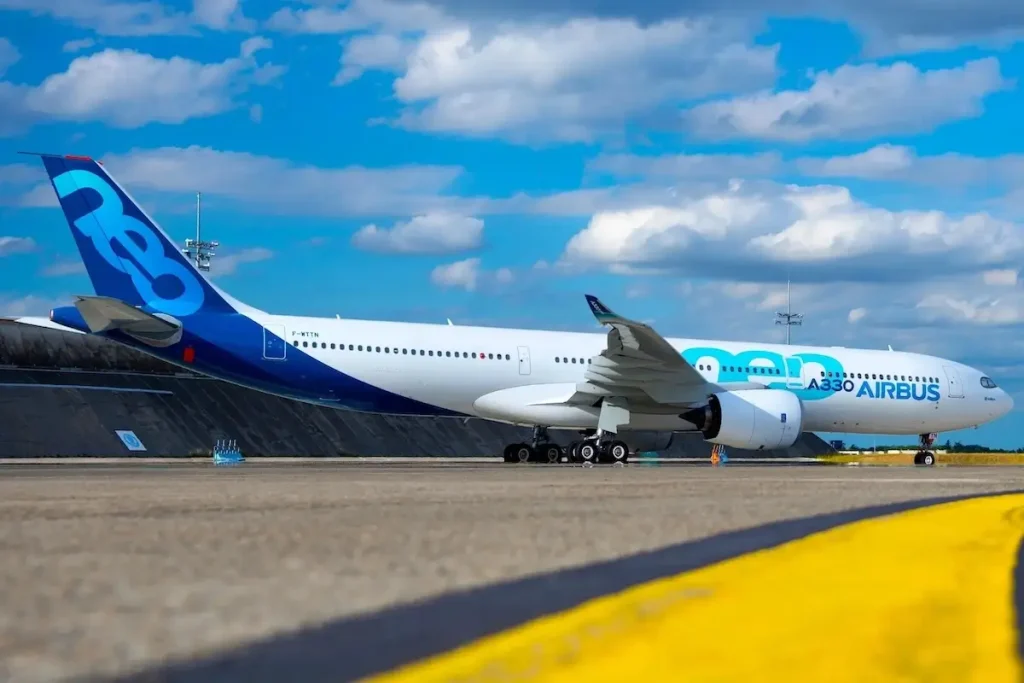
Ultimately, however, the cancellation was viewed by most as a mere formality; analysts speaking with publications said that while significant order cancellations, such as the one by AirAsia X, can come as a shock, they were expected.
For years, AirAsia X had struggled and was adjusting its fleet mix to cope with poor perfromance, so significant orders such as these were doubtful to be included in the airline’s annual planning.
Becoming a leaner company is common for airlines experiencing financial problems. This gives the business in the spotlight the opportunity to limit its flying, focus strictly on more profitable markets and therefore reduce operational expenses.
Airlines like Norwegian have gone through the same thing, now emerging in a much more positive state and seeking to grow once more, and Spirit Airlines, which has entered bankruptcy for the second time in as many years, is also doing something similar to become sustainable moving forward.
Now, even without the bulk of the A330neo order, AirAsia X has confirmed its intent to move towards being an all-narrowbody operator by the 2030s. This will mean the existing A330ceo jets intended to be replaced by the A330neo will be retired in favour of single-aisle models.

Changes to the business model, such as what AirAsia X is looking to make in the coming years, highlight just how much an industry and airline can change in the space of a decade, the large A330neo order now seeming like a distant memory, back to a very different airline from what is still present today.

ABOUT THE AUTHOR
Daniel Fowkes is a Melbourne-based aviation analyst and journalist with over a decade of industry experience. As founder of Dj’s Aviation, he delivers trusted analysis on aircraft, airline strategy and global aviation trends for djsaviation.net
Leave a Reply
Related Articles




Stay Informed
Get the latest aviation news, analysis and route updates delivered to your inbox.
We respect your privacy. Unsubscribe at any time.
Enjoyed this story?
Make us your go-to for aviation news
Add us as a preferred source on Google and see our latest stories first in Top Stories.
Add Us On Your News Feed
Flying 6-hr-flight in a narrow body is a nightmare.