

Thai Airways is continuing to prepare for the new era of its business, with route expansion now a top priority.
The Thailand flag-carrier, as shared by Bangkok Post, is now seeking to expand its overall flying towards China, with now just five cities providing 42 flights per week.
With a drive to expand towards China, the winter schedule running from late-2025 into early-2026 will see a significant increase in capacity towards key locations such as Beijing, with double the amount of weekly flights.
However, away from that, the carrier is also hellbent on returning to Chinese cities that were previously on the network, which had long been removed, while looking to add new services to in-demand locations.
However, Thai Airways wants in the coming years to significantly strengthen its position as a regional hub and as a result focus on connecting Asia and beyond.
With this strategic focus, the airline believes that the regional network will help reduce its reliance on particular markets while enabling the business to reap the rewards with strengthened schedules.
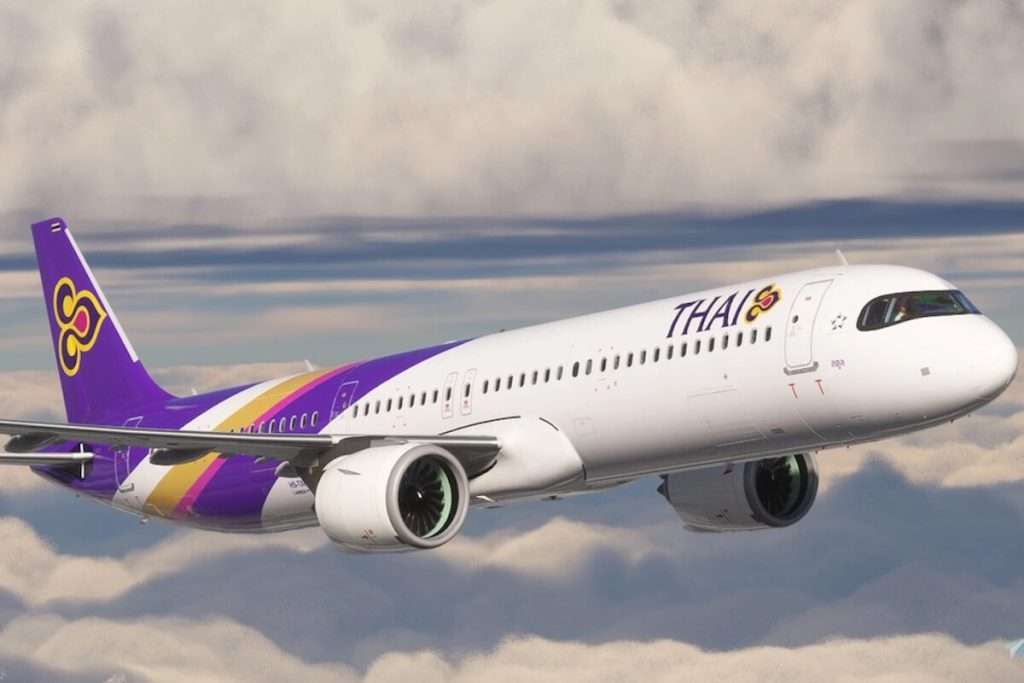
Such a focus on China isn’t just to develop its network from Bangkok, but on a much larger scale, with the knowledge that passengers connect from Europe, Australia and beyond through to China. If Thai Airways can prove to be a one-stop option, it’ll gather great market share.
China is not the only focus, though; the airline also believes that flying towards India and the development of its own domestic route network will be important, all these growth targets reliant on the delivery of new aircraft.
What About Thai Airways Aircraft?
So, while the development of the route network is put into the limelight, to make this happen, as touched on, the delivery of new aircraft will also be crucial.
After an extended period of restructuring, Thai Airways would now arguably feel primed to begin increasing its fleet and moving towards a new era of operations that focuses once again on growth.
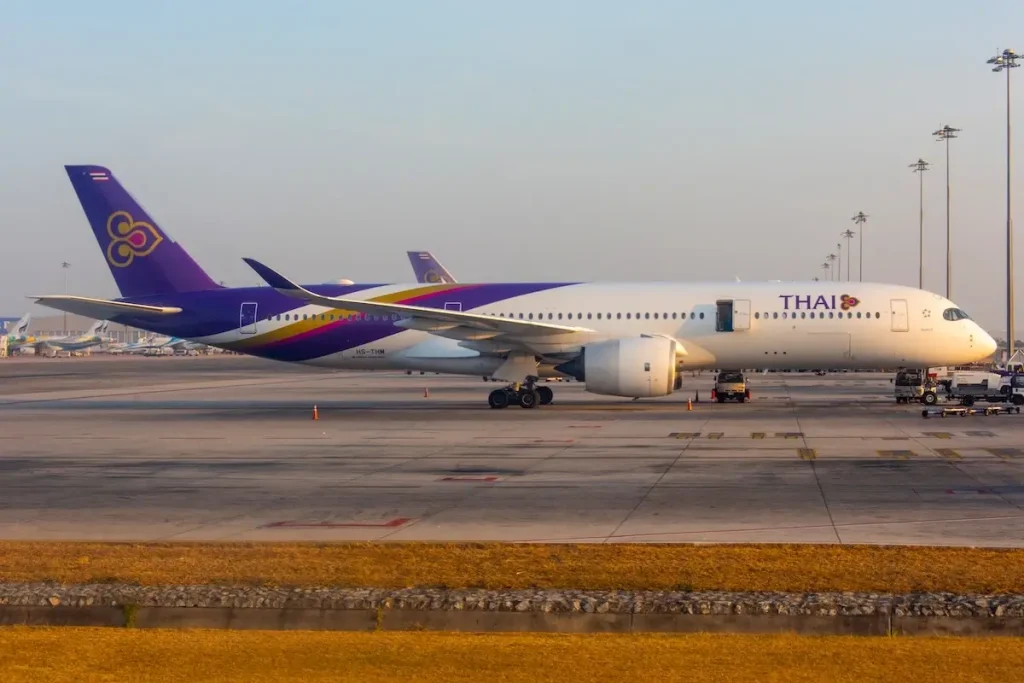
Additionally, this will take shape with a transition towards next-generation aircraft from Airbus and Boeing over the coming years, with two of the primary aircraft being the Boeing 787 and Airbus A321neo.
2026 is earmarked as an important year for the delivery of new Airbus single-aisle types, with the capacity being crucial for developing short to medium-haul routes across the operation and even on a domestic level.
However, like many other global airlines seeking to grow, the delayed delivery of new commercial aircraft has at times impacted the ability to transition to newer planes and launch routes as intended.
The growth of the fleet is an essential next step after Thai Airways said goodbye to several aircraft types over the last five years, all of which came with high levels of capacity that left the network due to the transformative efforts and attempts to lower costs.
To help replace some of these larger planes, Thai Airways will continue to rely on jets such as the Boeing 787, with many more planes to be delivered, driven by a firm order for 45 of the 787-9 model, which was placed in recent years.

As a result, and if all goes according to plan, the business would hope to have a fleet of approximately 150 planes, primarily driven by the 787 and A321neo alongside other existing models.
By this point, the network will have developed considerably as well, with greater connectivity on a long-haul international scale. It will also focus on the shorter distances to locations in China and India, as targeted now.

ABOUT THE AUTHOR
Daniel Fowkes is a Melbourne-based aviation analyst and journalist with over a decade of industry experience. As founder of Dj’s Aviation, he delivers trusted analysis on aircraft, airline strategy and global aviation trends for djsaviation.net
Related Articles




Stay Informed
Get the latest aviation news, analysis and route updates delivered to your inbox.
We respect your privacy. Unsubscribe at any time.
Enjoyed this story?
Make us your go-to for aviation news
Add us as a preferred source on Google and see our latest stories first in Top Stories.
Add Us On Your News FeedRelated articles
· Airlines
Allegiant Air Buys Six More 737-8s From Boeing
Daniel Fowkes
26/10/2026
· Airlines
Emirates vs Qatar Airways: The Gulf Superhub Rivalry Compared
Bryan Shelmon
26/10/2026
· Airlines
Riyadh Air Is Moving Away From Riyadh
Daniel Fowkes
26/10/2026
· Airlines
Emirates Isn’t Worried At All
Daniel Fowkes
25/10/2026