

During the early 2020s, the global Airbus A380 fleet was significantly reduced, with airlines rapidly retiring the type.
If said airlines were not retiring the jet, they were looking to ground the world’s largest passenger plane for an extended period.
So, why did Singapore Airlines ground the jet? What has happened with their A380 fleet since, and was the parking written in the stars?
An Early Retirement?
Singapore Airlines was among the earliest adopters of the A380, introducing the aircraft to the world on a global scale almost two decades ago.
While orders came in large numbers from the Changi-based carrier, even before the 2020s, the operator showed early signs of possibly shifting its fleet strategy to reduce its reliance on the program.

Just past the midway point of 2017, Singapore Airlines removed the first A380 to enter commercial service, registered as 9V-SVA, with work being conducted to return the aircraft to its lessor. The last passenger flight departed on June 10, 2017.
The COVID-19 Pandemic
When the COVID-19 pandemic emerged, airlines were sent into a spiral, fueled by an inability to meet market demand for hub-and-spoke carriers such as Singapore Airlines; their booking numbers plummeted.
Furthermore, for aircraft like the Airbus A380, built for high-capacity flying to major capital cities, new government restrictions prevented commercial air travel, rendering units such as the A380 simply no longer of use.
With a focus no longer on growth, but rather on consolidating assets, even some of the largest airlines in the world had to make harsh decisions to preserve and survive the hardships that followed.
By April 2020, in response to the pandemic-driven onslaught and uncertainties about when demand would return, Singapore Airlines relocated a fifth of its A380 fleet to storage in Alice Springs, Australia.
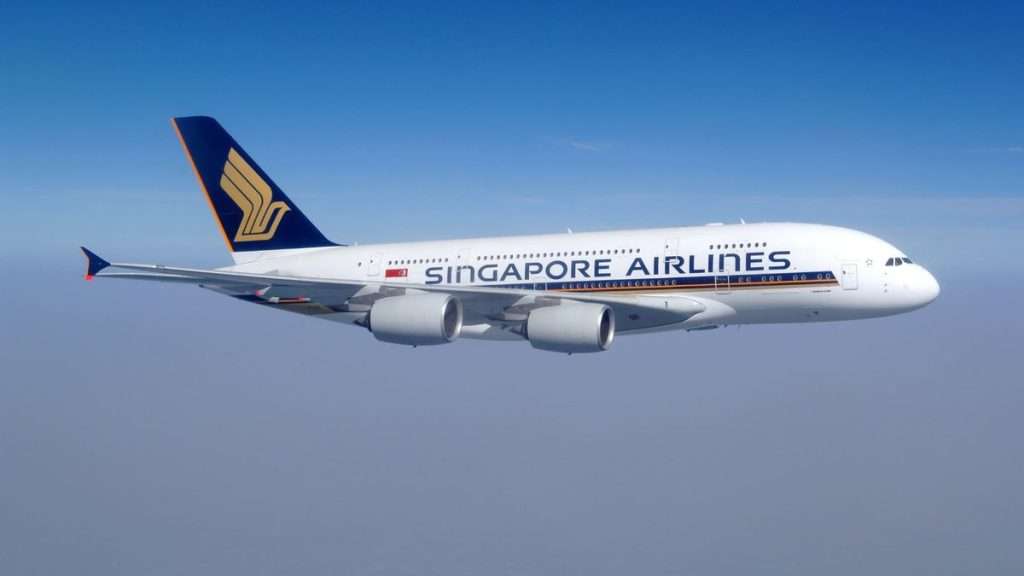
Alice Springs is not always the most typical location for storage when markets in Europe and the United States present themselves as leaders. Still, for Singapore Airlines, the airport presents a promising opportunity to keep the aircraft protected and ready for a possible return to service.
During this period, the airline did not provide guidance on the next steps for the A380 fleet; instead, these measures followed the lead of other airlines, as restrictions continued to hinder travel.
Bye Bye Airbus A380
Towards the end of 2020, the COVID-19 pandemic continued to pose a threat to the business, and Singapore Airlines proceeded with the retirement of 26 of its aircraft.
The retirement ranged from types such as the A319, A320, 777-300 and 777-200s. However, arguably the biggest takeaway came from the largest aircraft, the permanent reduction of the A380 fleet with seven units to be retired.
A decision by executives following a business review resulted in the axing of planes at a point where they were deemed surplus to requirements, with some of the Airbus A380s included in that collective.
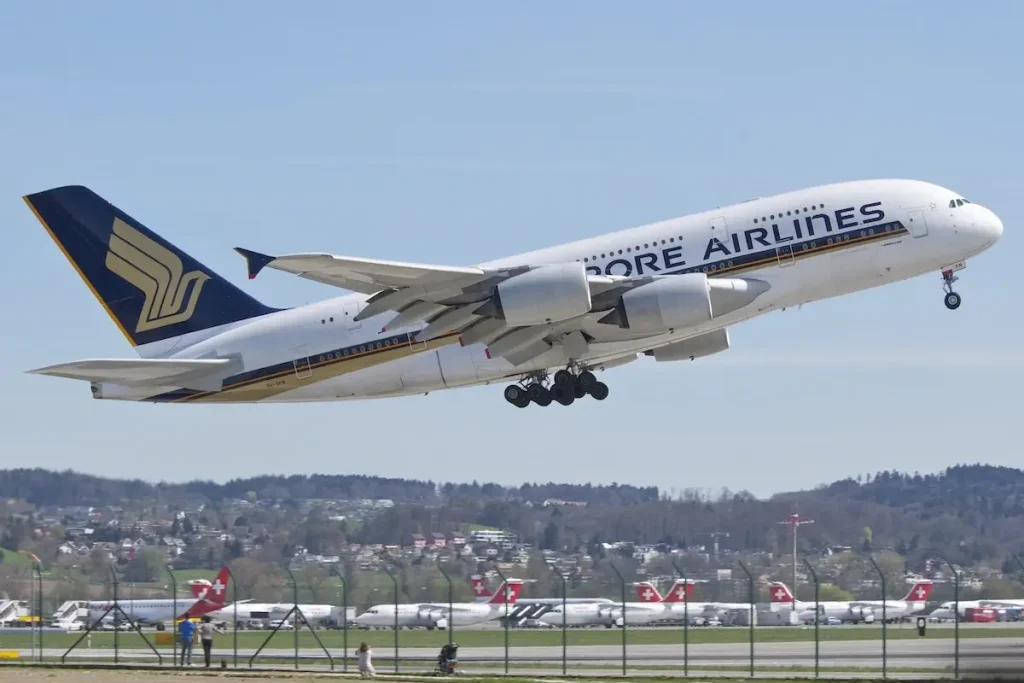
While the retirement of these planes was in direct response to worsening economic conditions and the inability to operate the jets, it also coincided with a period when airlines began prioritising fleet renewal and transitioning towards next-generation planes with improved efficiency.
The Return Of The Aircraft
Despite moving ahead with the retirement of some of its Airbus A380s, Singapore Airlines never outright confirmed that the groundings would lead to the permanent axing of the program entirely.
Instead, Singapore Airlines firmly kept the door ajar for when global demand would return, bringing back the world’s largest passenger plane in a bid to serve markets such as London, Sydney, and beyond.
By the end of 2023, Singapore Airlines successfully brought back its 12th and thus final A380 into service after a challenging few years battling with the COVID-19 pandemic.
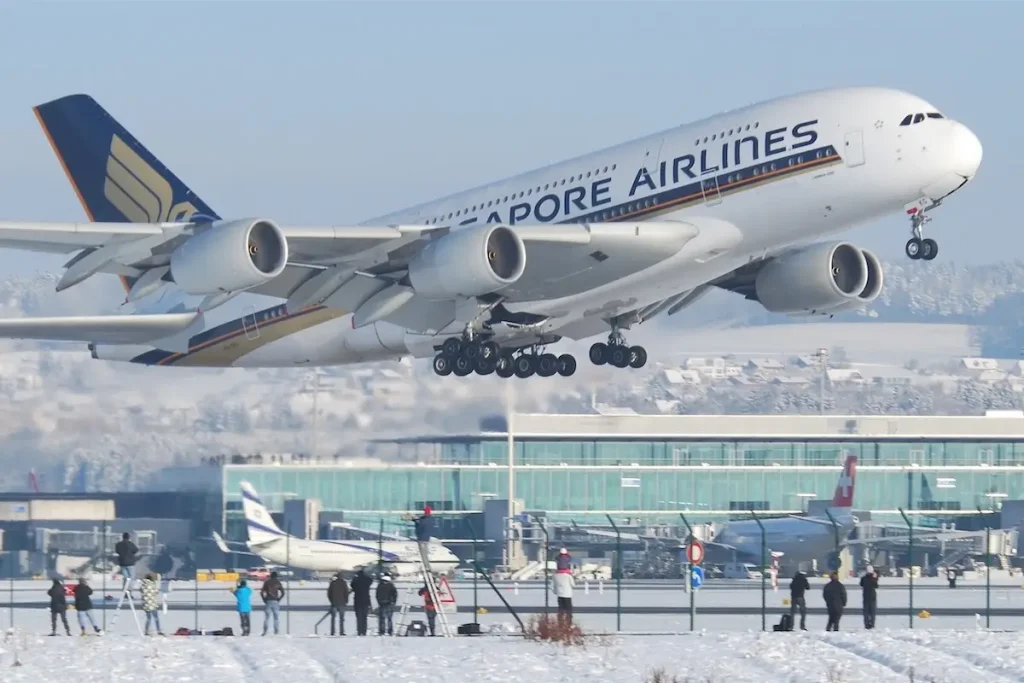
The trimmed operation would leave just the dozen Airbus A380s remaining in the fleet, 9V-SKP being the final A380 in the fleet to receive a cabin refit and thus return to service, spending 3.7 years without completing a passenger flight.
What’s Next For Singapore Airlines?
As of 2025, the airline’s fleet comprises 12 Airbus A380s, with 10 listed as active, according to fleet data from July 17, 2025.
Two aircraft, 9V-SKZ and 9V-SKR, are parked, with the latter having been stored at Singapore Changi as of 26 March 2025. The former has similarly not operated a slight for some time.
These parking spaces are not surprising, given that the flying programme has hinted at this occurring due to maintenance schedules, operational spares, and similar factors.
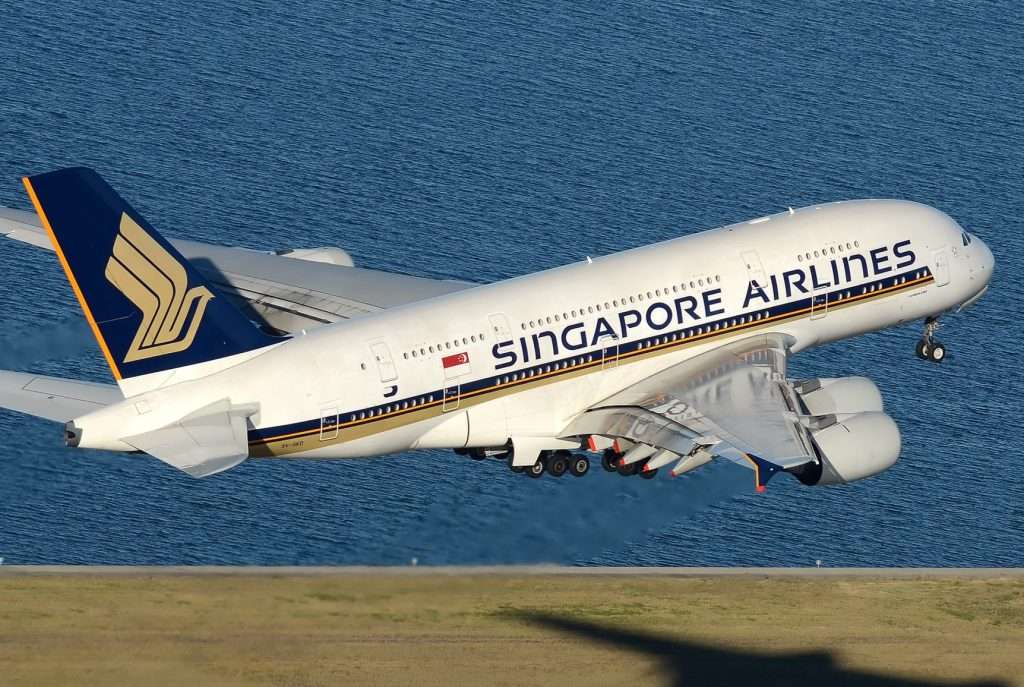
As for the aircraft in service, the Airbus A380 has been seen across major international ports such as Frankfurt, Sydney and London.
Additionally, the carrier operates the world’s largest passenger plane to cities in India, including Delhi and Mumbai, as well as Shanghai, with flights scheduled to begin in the Summer of 2025, with Tokyo also joining.
Similar to other airlines, Singapore Airlines also recognises that it must begin the process of replacing the Airbus A380, as the aircraft will not be the answer forever. However, without a dedicated replacement being offered, other jets must fill the shoes.
Singapore Airlines already has commitments to the upcoming Boeing 777X and operates the A350 and 787 extensively as well. These three widebodies are expected to take on the brunt of the work for long-haul flying moving forward when the A380 departs.

ABOUT THE AUTHOR
Daniel Fowkes is a Melbourne-based aviation analyst and journalist with over a decade of industry experience. As founder of Dj’s Aviation, he delivers trusted analysis on aircraft, airline strategy and global aviation trends for djsaviation.net
Leave a Reply
Related Articles




Stay Informed
Get the latest aviation news, analysis and route updates delivered to your inbox.
We respect your privacy. Unsubscribe at any time.
Enjoyed this story?
Make us your go-to for aviation news
Add us as a preferred source on Google and see our latest stories first in Top Stories.
Add Us On Your News Feed
Singapore is my motherland country and my favourite 💕 airline