
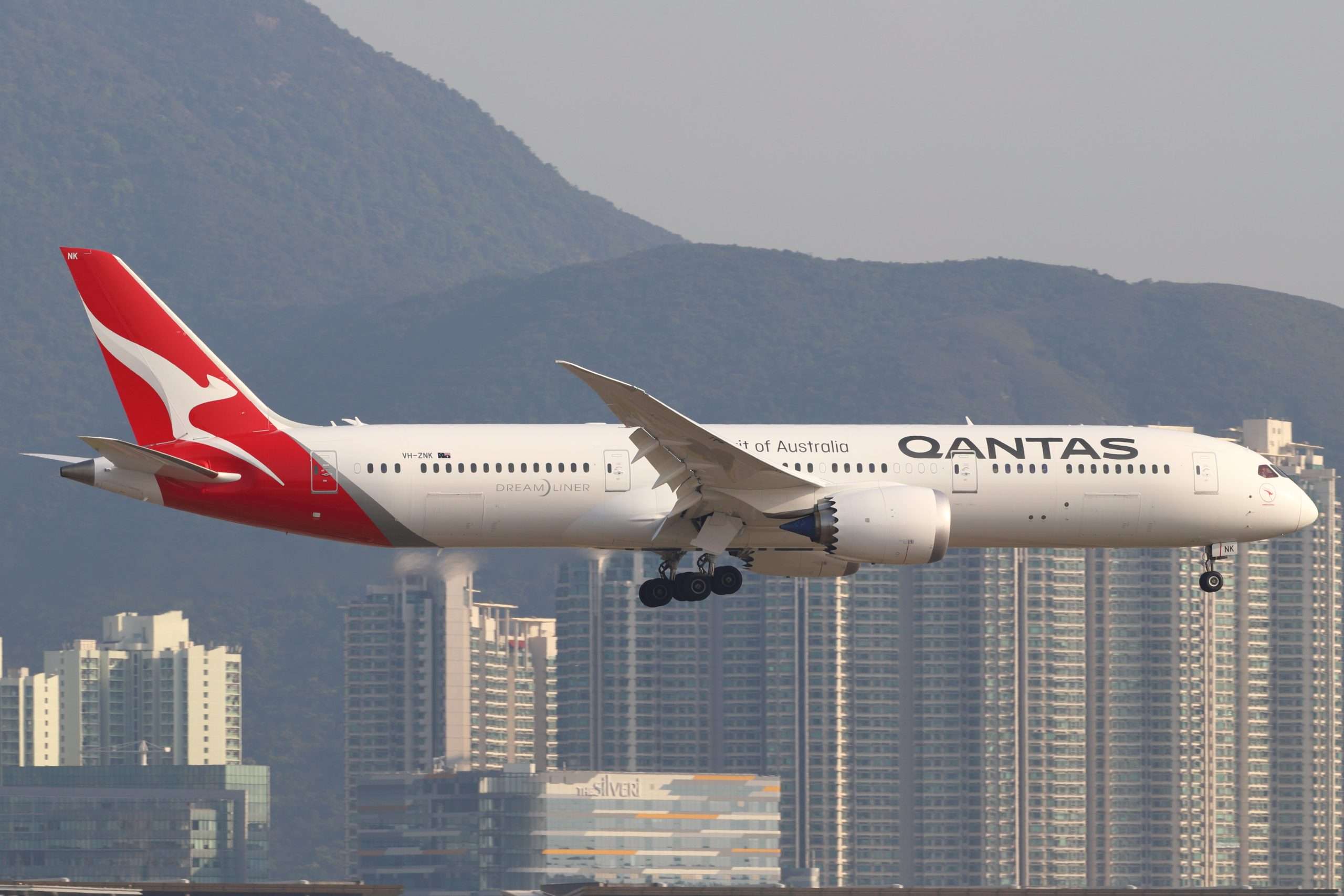
Qantas has published its results for the financial year just gone, and after a turbulent year, they are quite fascinating.
Revenues were among the business’ more positive areas, increasing just over 10% to $21.9 billion.
Airlines worldwide have been reporting significant increases in their overall revenues despite other aspects of the business not performing to the same extent.
Lastly, despite revenue increases, the underlying profit dropped by some 16% to 2.08 billion. While still a significant number, the decrease was due to dropping domestic and international earnings.
For example, overall earnings before interest and tax at the domestic division dropped 16%, whereas the international division saw a 39% drop.
While not uncommon and nothing to be alarmed about, executives at the company say this came down to fares normalising and the continued adjustment of capacity. Moreover, Qantas says it’s spent more on initiatives to streamline its flying to benefit customers.
Such a performance shouldn’t come as a shock. The guidance for this earning season at Qantas was pretty much bang on with no major adjustments.
Across the financial year, Qantas increased on-time performance at its mainline brand by some 10 percentage points and 8.8 at Jetstar.
These operational performance improvements stem from the investments mentioned above, which involved overhauling the frequent flyer program, seats, digital platforms, and onboard amenities.
Qantas Group states that its focus over the past year has been on repairing a fractured customer relationship that destroyed the brand’s image.
As a result, the consensus is that Qantas is willing to take these drops to make the right investments to ensure that Qantas can be the national airline once more in which people take great pride. Off the back of the appointment of Vanessa Hudson, this has been the direction.
The domestic front was an important avenue as Qantas says it raced to provide more than 45,000 customers with free-of-charge flights following the collapse of Bonza and Rex’s capital city flights using the Boeing 737 fleet.
Domestic revenue is expected to increase in the first half of the next financial year, whereas international revenue will fall as they restore their market capacity. By the end of the 2025 financial year, Qantas expects the decline to slow, with eventually some recovery.

ABOUT THE AUTHOR
Daniel Fowkes is a Melbourne-based aviation analyst and journalist with over a decade of industry experience. As founder of Dj’s Aviation, he delivers trusted analysis on aircraft, airline strategy and global aviation trends for djsaviation.net
Related Articles




Stay Informed
Get the latest aviation news, analysis and route updates delivered to your inbox.
We respect your privacy. Unsubscribe at any time.
Enjoyed this story?
Make us your go-to for aviation news
Add us as a preferred source on Google and see our latest stories first in Top Stories.
Add Us On Your News FeedRelated articles
· Airlines
Allegiant Air Buys Six More 737-8s From Boeing
Daniel Fowkes
26/10/2026
· Airlines
Emirates vs Qatar Airways: The Gulf Superhub Rivalry Compared
Bryan Shelmon
26/10/2026
· Airlines
Riyadh Air Is Moving Away From Riyadh
Daniel Fowkes
26/10/2026
· Airlines
Emirates Isn’t Worried At All
Daniel Fowkes
25/10/2026