
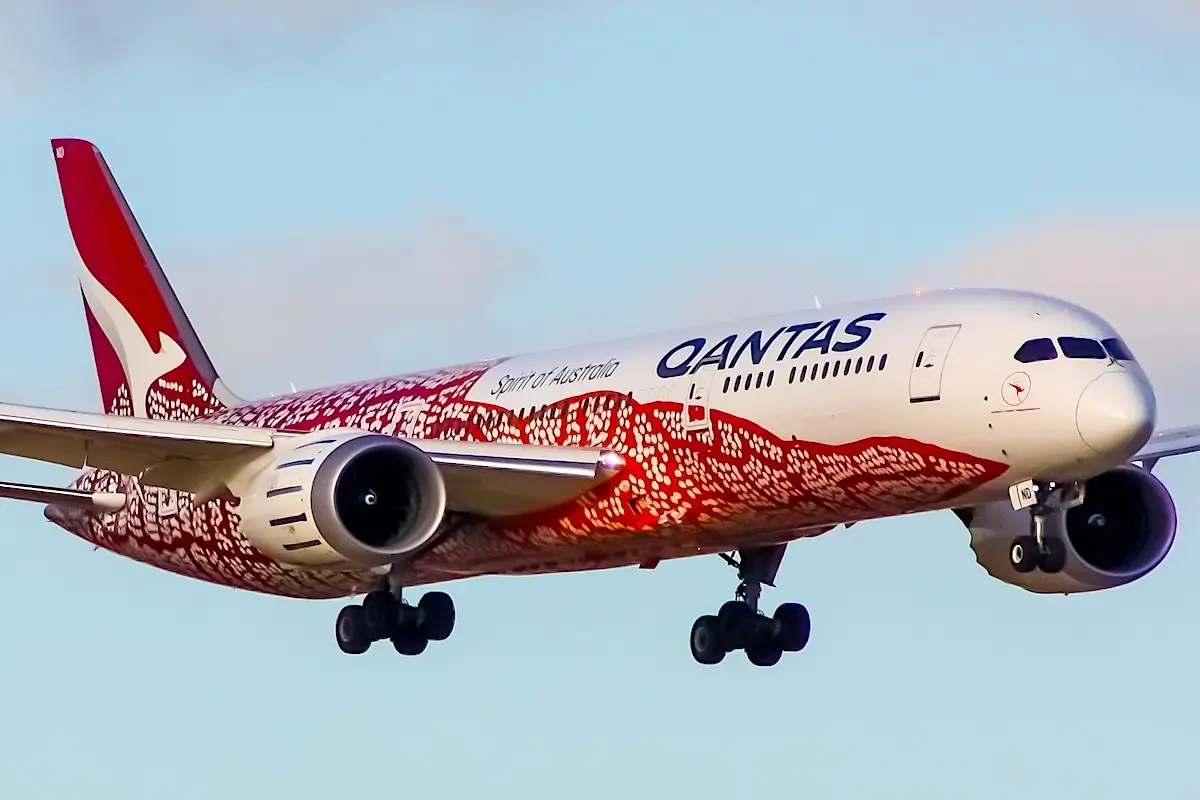
Qantas is making a significant change to its business on the eve of Christmas.
In an email sent to staff, the senior leadership team will receive an almighty shake-up as part of downsizing, with up to 400 executives estimated to lose their jobs before Christmas.
Qantas, however, has since stated that while it cannot provide the extent of the job cuts, it’s expected to be substantially less than the 400 previously reported.
The changes set to be implemented are structural; as a result, various people will not just depart the airline, but those remaining will also see their positions’ titles and responsibilities shift.
All these changes have been confirmed by Ms Hudson, who leads the company as part of efforts to streamline and support the customer base profitably and sustainably.
The airline has invested heavily in recent times in what it describes as its fleet and AI to make itself more agile and better prepared to navigate many challenges expected in the future.

As part of some changes, the Qantas Domestic CEO will now not only oversee QantasLink but also take greater control of customer care, recovery, and contact centres.
The same will be visible with Cam Wallace, the Qantas International and Freight CEO, who will take on new duties, including on-ground and in-flight services.
A new role has also been created, which will focus on technology, the Chief of Tedcholoy, AI and transformation, as it’s been labelled. Rachel Yangoyan will have the helm, someone who has been part of the Group for decades.
A Busy Period Ahead For Qantas
Qantas, with these changes, is continuing to storm through the overhaul of its Group, spanning the mainline, regional, and low-cost divisions, to change the tone around the business.
As part of this, there’s been a strong emphasis on renewing the fleet, which is already underway. With this in mind, Qantas has invested heavily in new planes. While these purchases were heavily delayed, the business is finally starting to see the results of these investments.

The arrival this year of the A321XLR into the Qantas mainline division has substantially improved efficiency across the Group while also opening new opportunities across the network, both domestically and internationally.
The A321XLR will not only elevate capacity across key markets but also enable the eventual retirement of the 737, bringing a fresh feel to the single-aisle operation. The XLR will be complemented by the A220, which is featured across the QantasLink division, allowing for the retirement of the long-standing Boeing 717.
Looking at international widebody flying, the expected arrival of the A350-1000ULR for Project Sunrise flights is inching closer despite hefty delays.
The first unit has entered the critical final assembly process. It is expected to facilitate delivery by the end of 2026, followed by the commencement of marathon 20+ hour flights in 2027, permitting no further delays.

Meanwhile, the return of the airline’s final Airbus A380 after years in storage represents another critical milestone in efforts to continue expanding long-haul flying and to bring relief to existing aircraft after years of pressure.
All these endeavours are then paired with a consistent investment in the onboard product, lounges, and the people and technologies at airports, as Qantas tries to change the tone surrounding itself as an airline after losing the trust of its customer base earlier this decade through several poor management decisions led by previous executives.

ABOUT THE AUTHOR
Daniel Fowkes is a Melbourne-based aviation analyst and journalist with over a decade of industry experience. As founder of Dj’s Aviation, he delivers trusted analysis on aircraft, airline strategy and global aviation trends for djsaviation.net
Related Articles




Stay Informed
Get the latest aviation news, analysis and route updates delivered to your inbox.
We respect your privacy. Unsubscribe at any time.
Enjoyed this story?
Make us your go-to for aviation news
Add us as a preferred source on Google and see our latest stories first in Top Stories.
Add Us On Your News FeedRelated articles
· Airlines
Allegiant Air Buys Six More 737-8s From Boeing
Daniel Fowkes
26/10/2026
· Airlines
Emirates vs Qatar Airways: The Gulf Superhub Rivalry Compared
Bryan Shelmon
26/10/2026
· Airlines
Riyadh Air Is Moving Away From Riyadh
Daniel Fowkes
26/10/2026
· Airlines
Emirates Isn’t Worried At All
Daniel Fowkes
25/10/2026