
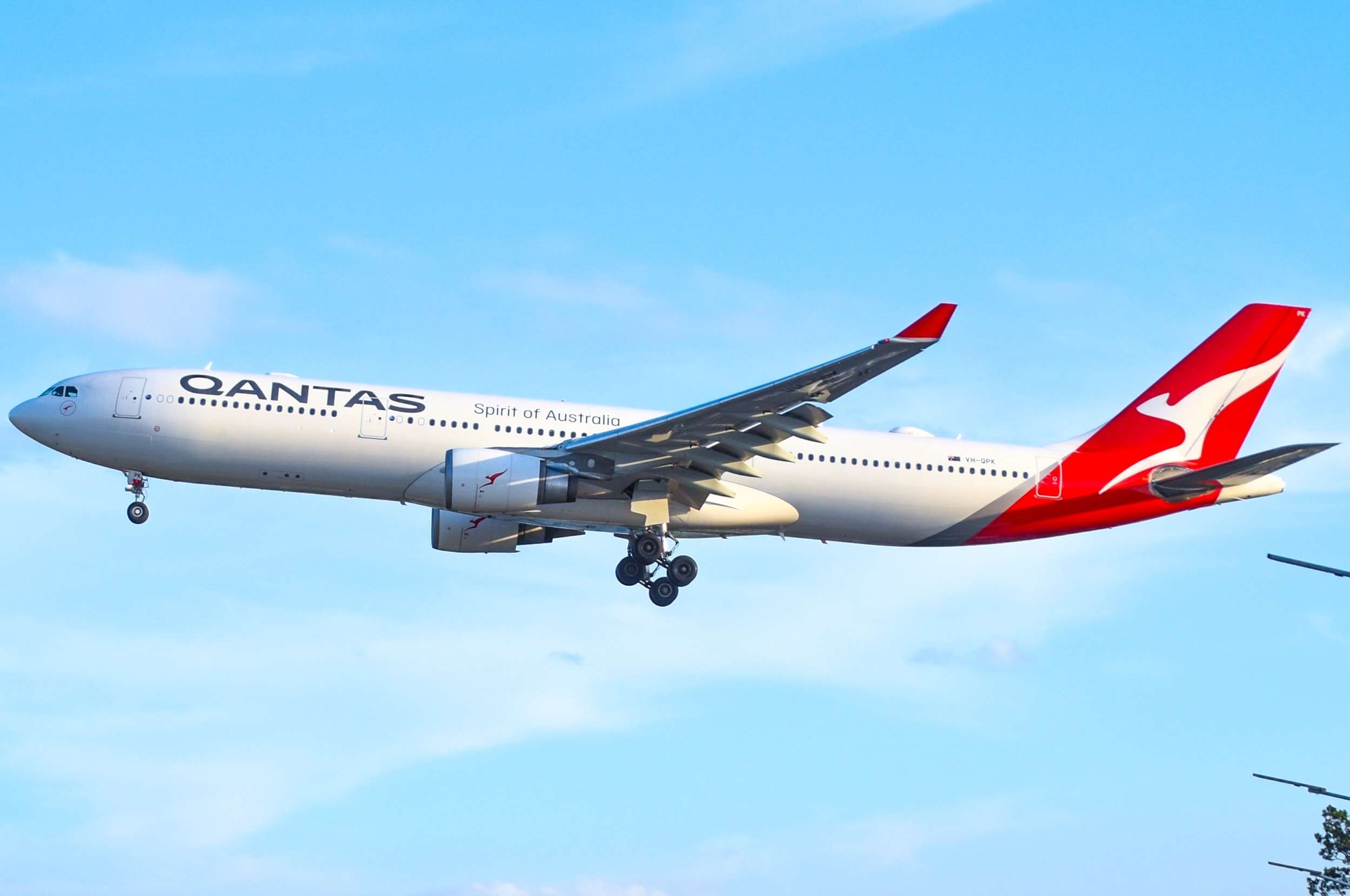
Qantas is shifting how it operates to Japan for the Northern Winter 2026/27, with the Airbus A330 at the heart of the changes, as the business revealed.
Whether it’s aircraft swaps or frequency increases, Japan is seeing strong demand that warrants a response from the Australian carrier and its Asia Pacific network.
A330 Shuffle On Flights From Sydney
From 25 October 2026, Qantas is changing the equipment on one of its two daily Sydney to Tokyo Haneda rotations, with flight QF25/26 to be operated by a 3-class, 279-seat A330-300, instead of the two-class, 291-seat model.
QF25 departs Sydney at 2130 with a next-day 0525 arrival into Tokyo Haneda. The return leg, meanwhile, QF26 departs Haneda at 0655 for a 1855 same-day arrival back into Sydney. This service operates daily alongside the QF59/60 flights, which feature a lunchtime departure from Sydney rather than a late-night departure.
The three-class Airbus A330-300 carries fewer seats but adds a separate Premium Economy cabin, slotted alongside Business and Economy, which means the overnight service will be subtly targeted towards higher-yielding passengers with a distinct premium cabin and nonstop service.
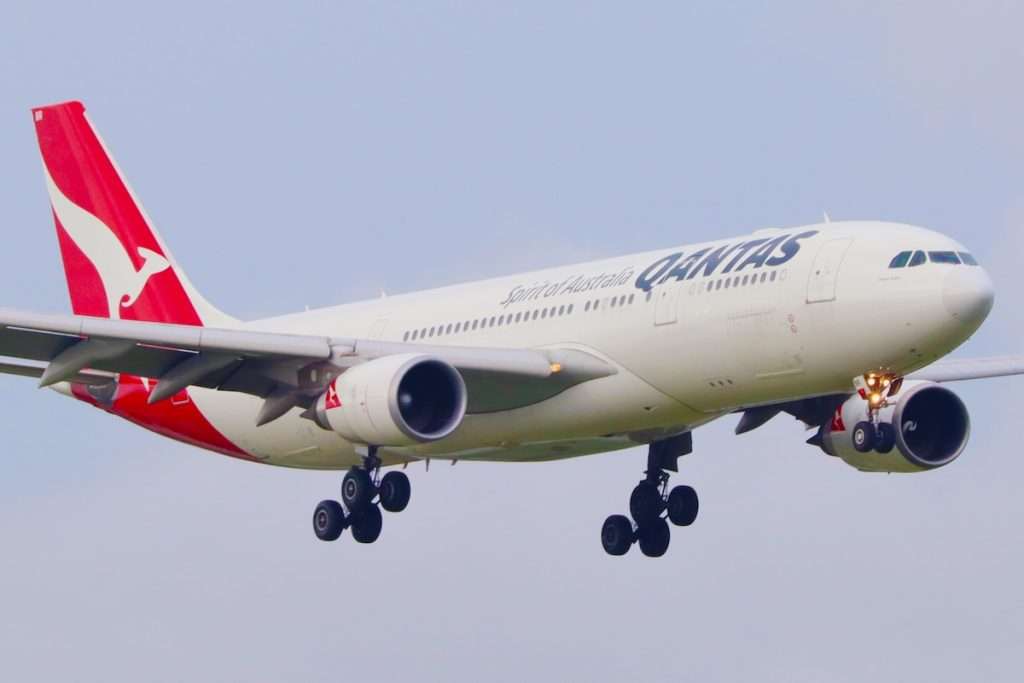
As part of broader changes, the A330-300s configured with 279 seats will also be scheduled from Sydney to Honolulu 6 times a week, and, for a brief period during the Northern Winter 2026/27, 5 times a week. Additionally, once a week between Sydney and Singapore Changi too.
Qantas Sees Melbourne To Tokyo Demand Rise
Away from Sydney, the second half of the Japanese tweak that Qantas is making comes in Melbourne, where a substantial capacity boost will be executed. From 2 December 2026 through 27 March 2027, the airline is offering 11 round-trips a week, up from the daily flights between Melbourne and Tokyo Narita.
The four additional weekly flights add 30,000 seats during the season and provide more connectivity options for passengers. QF79 will continue to operate the core daily departure from Melbourne at 0925, with a 1740 arrival into Narita.
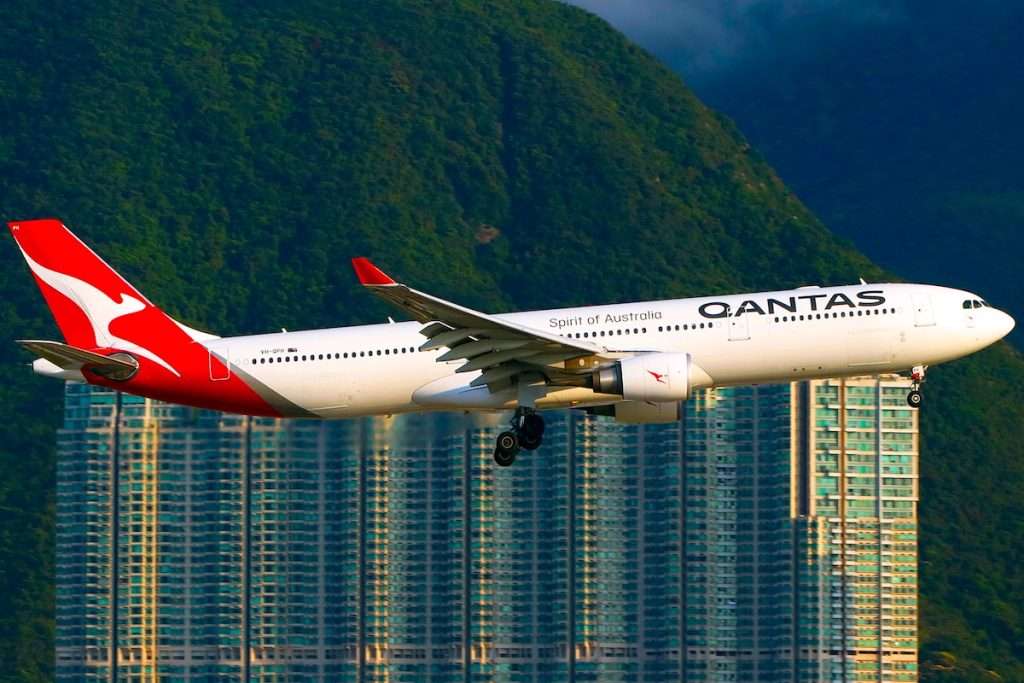
However, on the additional flights, QF49/QF50 will operate on alternating days, with a late-night departure from Melbourne at 2330 hours for a morning arrival in Tokyo, followed by a 0920 departure back to Australia.
Continuing the theme seen in Sydney, Airbus A330s operate all flights, and the capacity adjustment not only brings more seats for business but also ensures a robust mix of daytime and overnight options for Tokyo Narita by the Australian flag carrier.
Why The Changes To Japan?
For Qantas, the pattern it has seen in recent years has been clear, and that’s a strong incentive for Australians to travel to Japan for leisure. From seasonal services to more frequent flights, the airline has responded to this demand as best it can, even through its Jetstar division from the Gold Coast and Cairns.
With tweaks to the network strategy, it isn’t just about adding more aircraft and flights but about aligning supply with demand. With Haneda’s overnight service adding Premium Economy, higher-yielding passengers have more comfort options.
For Melbourne, the additional services offer more frequent departures and greater flexibility when departing for Japan, whether for daytime or overnight operations. The A330’s role in the fleet doesn’t stop there; the aircraft will also be represented across the Pacific and into Asia, with service to Honolulu and Singapore.

ABOUT THE AUTHOR
Daniel Fowkes is a Melbourne-based aviation analyst and journalist with over a decade of industry experience. As founder of Dj’s Aviation, he delivers trusted analysis on aircraft, airline strategy and global aviation trends for djsaviation.net
Related Articles




Stay Informed
Get the latest aviation news, analysis and route updates delivered to your inbox.
We respect your privacy. Unsubscribe at any time.
Enjoyed this story?
Make us your go-to for aviation news
Add us as a preferred source on Google and see our latest stories first in Top Stories.
Add Us On Your News Feed