
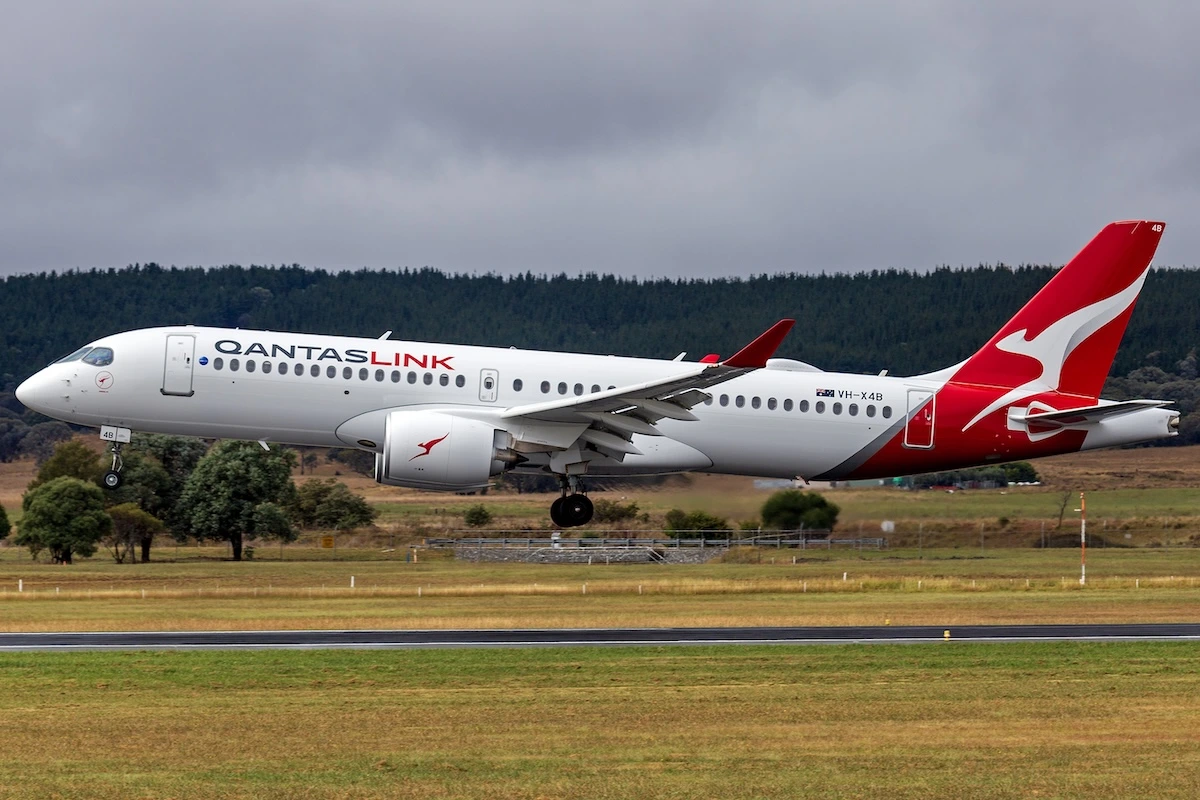
Qantas Group’s Airbus A220 has officially commenced international scheduled service in a decisive vote of confidence for the new single-aisle jet.
The aircraft is debuting on a thrice-weekly service between Brisbane and Wellington, bringing newfound comfort and efficiency to the vital route for the Australian carrier.
These Airbus A220s are highly regarded within the business and represent just one part of a historic fleet renewal program currently underway. With over 200 planes on order, the Group is not just renewing the fleet but also expanding to meet future demand.
Deploying the Airbus A220 on service to Wellington from Brisbane underscores the importance of the Australian cities market and the A220’s size and economics for the airline, not just on secondary services but also on Trans-Tasman and Pacific routes.
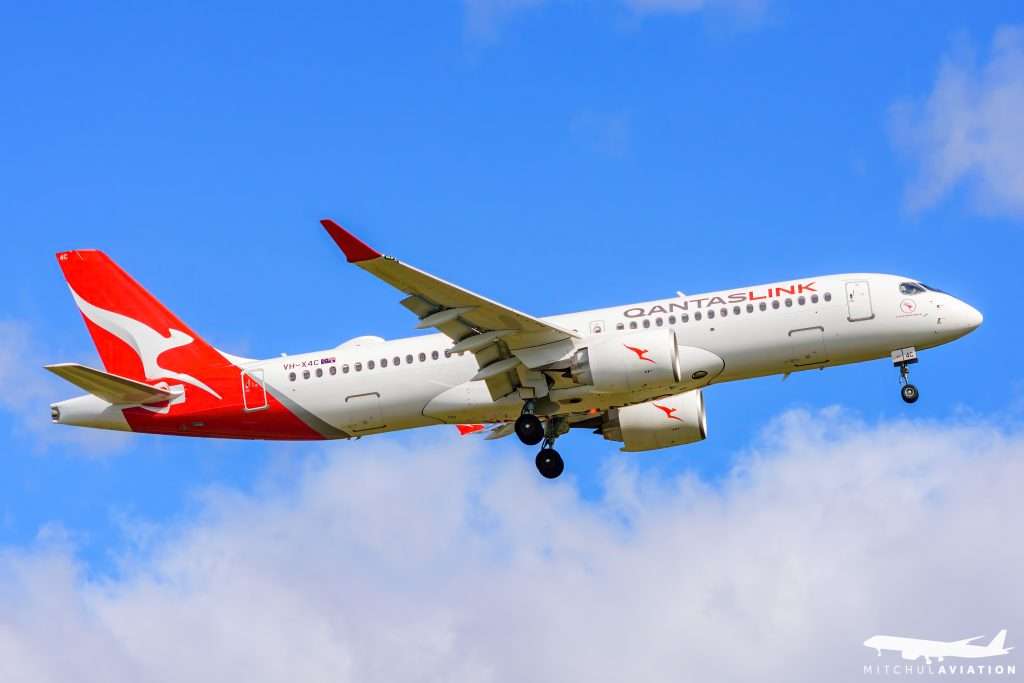
Having the option to deploy the A220 on international services is exactly why Qantas is so in love with the aircraft, the acqusition gives the business the flexibilirty to leverage the flexibility of the aircraft where neccesary year-round or seasonally without the restrictions that previous-gen models had.
Operational Advantages Over Older Aircraft
Qantas’ Airbus A220 fleet offers many operational advantages over the Boeing 717, which it has now formally replaced, particularly in efficiency, range, and network flexibility.
The A220, thanks to its Pratt & Whitney PW1500G geared turbofan engines, delivers up to 20% per-seat savings with improved aerodynamics and a lighter, more efficient construction. This is the CO2 emission, which has also increased considerably.
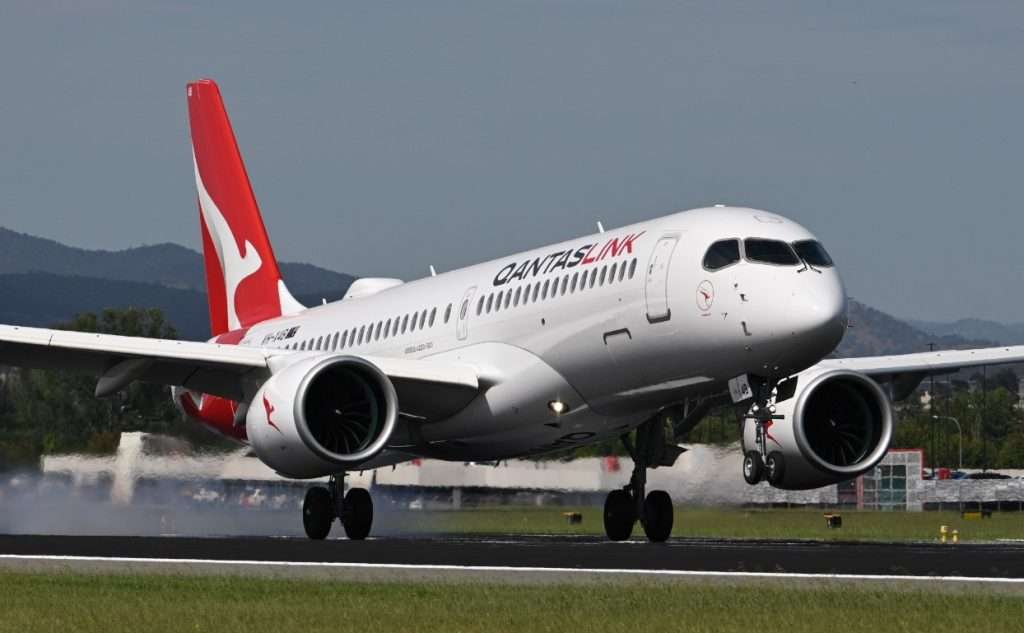
The range doubling over the 717s has made nonstop flights across Australia possible, and short international services such as Brisbane to Wellington can now be accessed by aircraft that couldn’t previously make these routes viable.
Qantas ultimately benefits from higher capacity: without crowding the cabin, it provides customers with more space, and per-flight revenue jumps considerably. At the same time, operating expenses decline due to ongoing renewal efforts.
Passenger Experience Aboard The A220
The Airbus A220 fleet operated by QantasLink delivers a superior passenger experience for customers compared with outgoing previous-generation jets and, notably, the Boeing 717.
An onboard configuration with two cabin classes offers customers the option of selecting Business Class seats in a 10-seat 2-2 configuration or 127 Economy Class seats in a 2-3 configuration.
The aircraft features the largest windows of any single aircraft and a cabin optimised to create a greater sense of space for customers, which is especially important for these smaller jets.
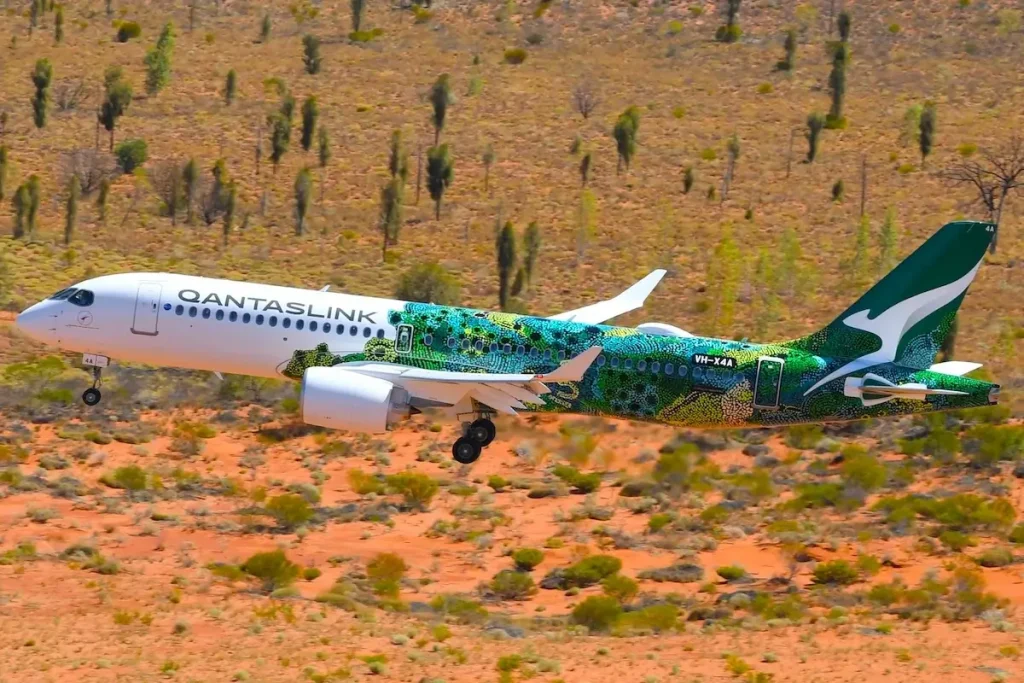
With fast, free Wi-Fi, Qantaslink is committed to offering a more connected experience, further emphasised by an integrated personal device holder and USB-A and USB-C charging ports in both Economy and Business, with additional wireless charging in the upper class.
Quieter PW1500G engines also allow for a more relaxed experience. Modern lighting and roomier lavatories mean that customers have more space on these planes than on the 717s.
While these Boeing 717s were workhorses, their age crept up before retirement, and, compared with newer aircraft, their more cramped and noisy cabins were used on regional domestic flights.

ABOUT THE AUTHOR
Daniel Fowkes is a Melbourne-based aviation analyst and journalist with over a decade of industry experience. As founder of Dj’s Aviation, he delivers trusted analysis on aircraft, airline strategy and global aviation trends for djsaviation.net
Related Articles




Stay Informed
Get the latest aviation news, analysis and route updates delivered to your inbox.
We respect your privacy. Unsubscribe at any time.
Enjoyed this story?
Make us your go-to for aviation news
Add us as a preferred source on Google and see our latest stories first in Top Stories.
Add Us On Your News Feed