
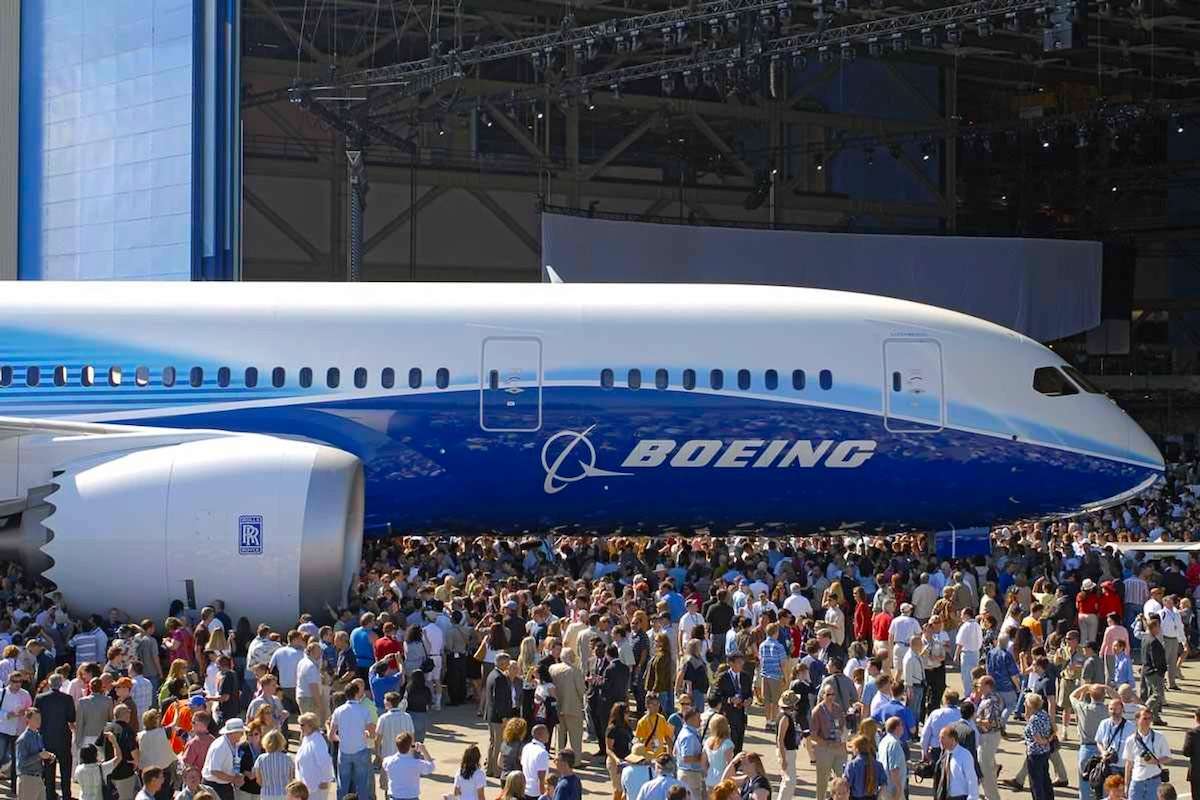
Philippine Airlines is slated to return to Boeing’s order book for the first time since 2007, with a deal lined up for the 787 Dreamliner.
What would become a new aircraft type for the airline is set to include 10 units, but this still needs to be finalised, and the exact number could change. It’s part of a broader push for widebody jets.
Set to be confirmed at the upcoming July Farnborough Airshow, where industry delegates converge on the United Kingdom, it would give Boeing a footprint in a country that has for an extended period heavily relied on its competitor, Airbus.
The airline’s pursuit of new aircraft was flagged at the beginning of June. Fresh off joining the oneworld alliance and post-restructuring, it expresses its desire to grow and, with that, a need for more planes.
A First Since 2007 For Boeing
Philippine Airlines’ last direct purchase from Boeing was in 2007, nearly 20 years ago, when it committed to the 777-300ER as part of efforts to establish a flagship aircraft to serve its transpacific and Middle Eastern network more effectively.
However, since then, the airline has seen its long-haul fleet driven by Airbus purchases. The A330ceos represent the previous generation of aircraft that remains, and these have been integral for medium-haul flying throughout Asia and as far South as Australia.
The next-generation jets include the existing A350-900 and the recently delivered A350-1000, which serves as the new flagship for routes to New York and Toronto. These models have fundamentally changed the fleet mix and, up until now, diminished Boeing’s long-term role in favour of its competitor.

Reporting indicates that a package would include about 10 of the 787 Dreamliners, and this is not just the first fresh order in nearly two decades for the American planemaker from this airline, but also represents a new fleet type for Philippine Airlines.
The deal isn’t strictly limited to Boeing, with the airline also targeting a split between Boeing and Airbus as it eyes up more A350 jets, with the total around the 10 mark, to reach 20 in total and overhaul the widebody fleet into the next decade.
With less than 10% of jets in the Philippines built by Boeing, it’s a deal that allows U.S. aircraft to remain in the country, even if at a much lower rate than Airbus, with the scene dominated by A320s, A330s, and now the A350s.
Philippine Airlines Adds A New Type
From Philippine Airlines’ perspective, the addition of the 787 Dreamliner welcomes a new model to its fleet mix, which some may perceive as overcomplicating matters. However, this is an airline amidst an ongoing renewal of its business.
The A350s have helped replace some of the ageing widebodies, with the A350-1000 key to the 777-300ER replacement efforts; however, the Dreamliners are set to be important in addressing the second pillar of its operations.
For a prolonged period, the airline has been resetting its long-haul strategy, ensuring the right mix is achieved for some of its denser routes, such as to North America, and finding the best midsized widebodies for thinner or more medium-haul markets.
The 787 addresses some of those needs, with multiple variants in the pipeline. The range and payload to serve thinner long-haul routes are possible, all while achieving a 20-25% better fuel burn rate per seat than some of the legacy jets it’s replacing. That improvement is pivotal at a time of higher operating costs, such as fuel and sustained pressure.
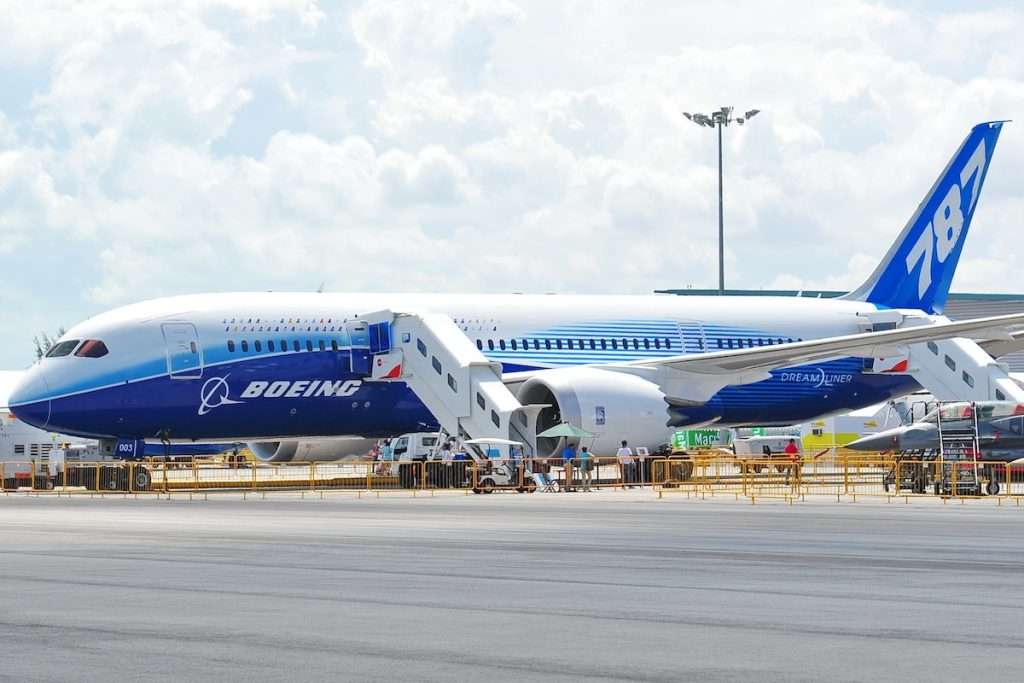
Additionally, the 787s can come in and fill the role of the A330s that feature on some of the more regional sectors, even to Australia, where the gradual replacement doesn’t result in capacity loss and ensures a cohesive next-generation approach to international flying.
Adding a second long-haul type, however, introduces the need for new maintenance procedures, spare parts pools, new pilot type ratings, and another area to manage. With simplification a big thing for airlines in the 21st century, it means a mixed fleet will emerge at the Philippine flag carrier.
For Philippine Airlines, though, a mixed fleet isn’t new; it has in the past operated Airbus and Boeing widebodies side by side. That will continue into the 2030s, but ultimately with fewer aircraft models, which limits concerns about simplification.

ABOUT THE AUTHOR
Daniel Fowkes is a Melbourne-based aviation analyst and journalist with over a decade of industry experience. As founder of Dj’s Aviation, he delivers trusted analysis on aircraft, airline strategy and global aviation trends for djsaviation.net
Related Articles




Stay Informed
Get the latest aviation news, analysis and route updates delivered to your inbox.
We respect your privacy. Unsubscribe at any time.
Enjoyed this story?
Make us your go-to for aviation news
Add us as a preferred source on Google and see our latest stories first in Top Stories.
Add Us On Your News FeedRelated articles
· Airlines
Allegiant Air Buys Six More 737-8s From Boeing
Daniel Fowkes
26/10/2026
· Airlines
Emirates vs Qatar Airways: The Gulf Superhub Rivalry Compared
Bryan Shelmon
26/10/2026
· Airlines
Riyadh Air Is Moving Away From Riyadh
Daniel Fowkes
26/10/2026
· Airlines
Emirates Isn’t Worried At All
Daniel Fowkes
25/10/2026