
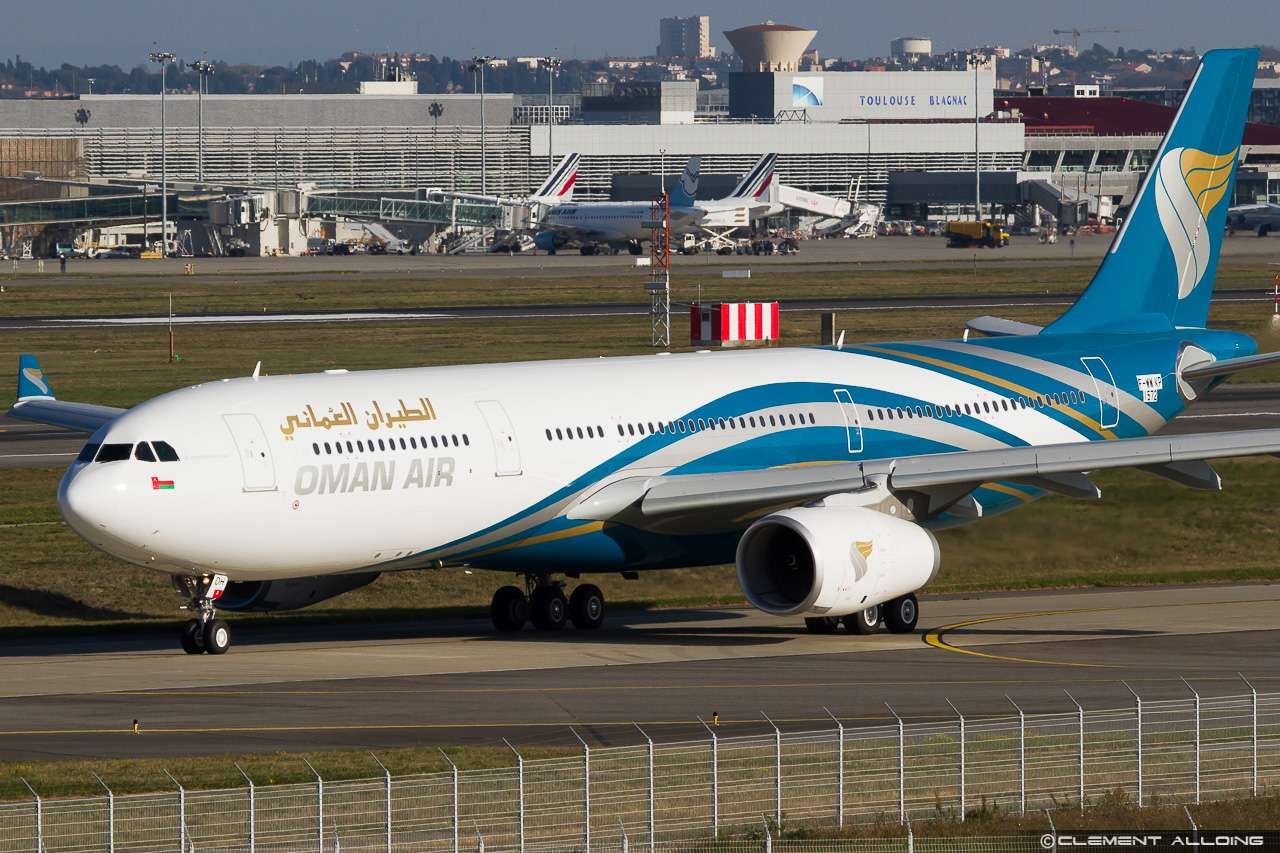
Oman Air is following through with fundamental fleet restructuring movements, including the retirement of its Airbus A330 fleet, as promised.
A fleet retirement comes as Oman Air attempts to restructure and downsize its fleet. This strategy is considered the best possible means of making money long into the future and being sustainable.
Oman Air concluded Airbus A330 flights per Flightradar24 data on March 30, 2024, at least for its operations, with some of these units being leased out elsewhere to continue flying with other airlines.
The Airbus A330 has remained a cornerstone of the Oman Air fleet for 15 years, with around 22% of its active fleet now retired. While this results in a significant capacity loss, it is deemed the best decision to ensure long-term survival.
While a fleet reduction makes headlines, the airline will also need to make careful changes to its route network to reflect the retirement of the widebody, which will notably see key locations removed entirely and others significantly reduced.
Airlines’ downsizing has become a common occurrence over the last five years. However, Oman Air will look at other successful examples that have emerged as a leaner, profit-making, and better airline for the future, and hope to replicate this.
An Important Future Ahead
In 2023, the Omani government made the important yet tough decision to restructure a state-owned airline to protect its position within the industry.
Following years of losses, a restructuring came, and debt continued to rise. Ultimately, this debt rose to levels that were no longer controllable or feasible for the long term and radical decisions needed to be made with revised strategies implemented.
Despite apparent attempts to make money, Oman Air has always struggled with that. A poor business model mixed with additional competition and several other factors meant that Oman Air was never quite as optimal as it would’ve liked.
Competition in the Gulf sector has increased significantly in the last decades, and Oman has never been able to necessarily compete with the big guns of Qatar Airways, Etihad or Emirates. However, as other airlines have and continue emerging, the airline’s network has to be one of its strong points.
Additionally, with the departure of vital upper-class products and Oman Air relying more on single-aisle jets, forums express concern that this will attract critical passengers from the airline and to other premium Gulf carriers.
Looking ahead, Oman Air will need to sort out several elements of its business to emerge more positively. Firstly, the massive reduction of its fleet and widebodies is essential.

ABOUT THE AUTHOR
Daniel Fowkes is a Melbourne-based aviation analyst and journalist with over a decade of industry experience. As founder of Dj’s Aviation, he delivers trusted analysis on aircraft, airline strategy and global aviation trends for djsaviation.net
Related Articles




Stay Informed
Get the latest aviation news, analysis and route updates delivered to your inbox.
We respect your privacy. Unsubscribe at any time.
Enjoyed this story?
Make us your go-to for aviation news
Add us as a preferred source on Google and see our latest stories first in Top Stories.
Add Us On Your News Feed