
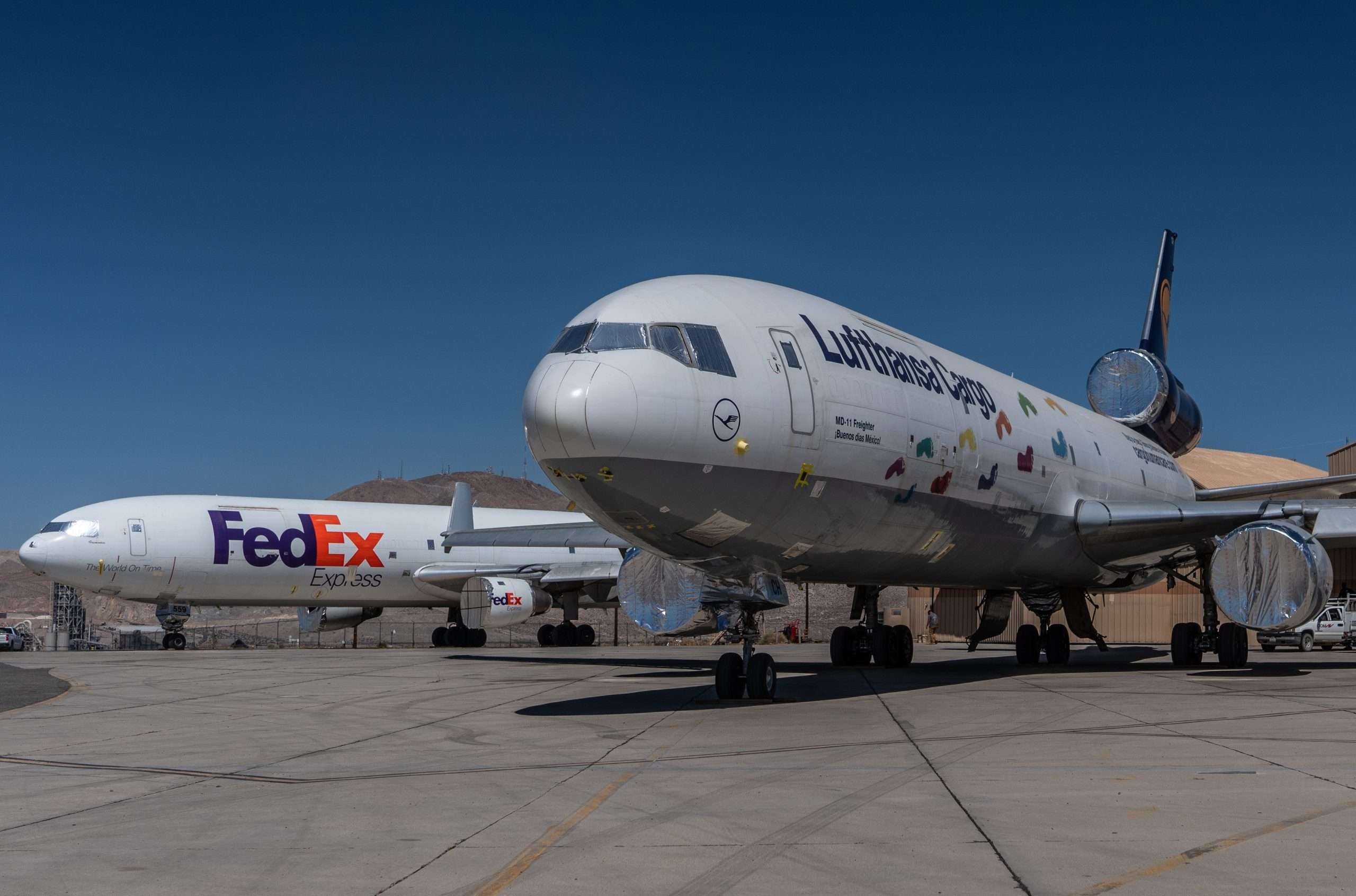
The McDonnell Douglas MD-11 is a wide-body trijet that first flew in January 1990 and entered airline service the same year.
Designed as a stretched, modernised successor to the DC-10, it promised long range, high capacity, and a two-pilot glass cockpit in place of the three-crew analogue flight deck it replaced. Only 200 were ever built.
As a passenger aircraft, it fell short of its performance guarantees and was out-competed within a decade.
As a freighter, it found a second life that lasted decades longer than anyone expected, serving with FedEx, UPS, and Lufthansa Cargo on intercontinental routes long after the last passenger left the cabin.
That era is now drawing to a close.
From DC-10 to MD-11: The Programme Origins
McDonnell Douglas launched the MD-11 programme on 30 December 1986, with firm orders from 10 airlines and 52 aircraft committed at the outset. The concept was evolutionary rather than revolutionary — take the proven DC-10 platform, stretch the fuselage by around 5.6 metres, fit more efficient engines, add winglets (the first commercial airliner to use them), and replace the three-crew cockpit with a modern two-pilot glass flight deck.
The new cockpit was a genuine advance, and the winglets offered measurable aerodynamic improvements. The stretched fuselage allowed for around 298 passengers in three classes, a meaningful step up from the DC-10’s typical layout.
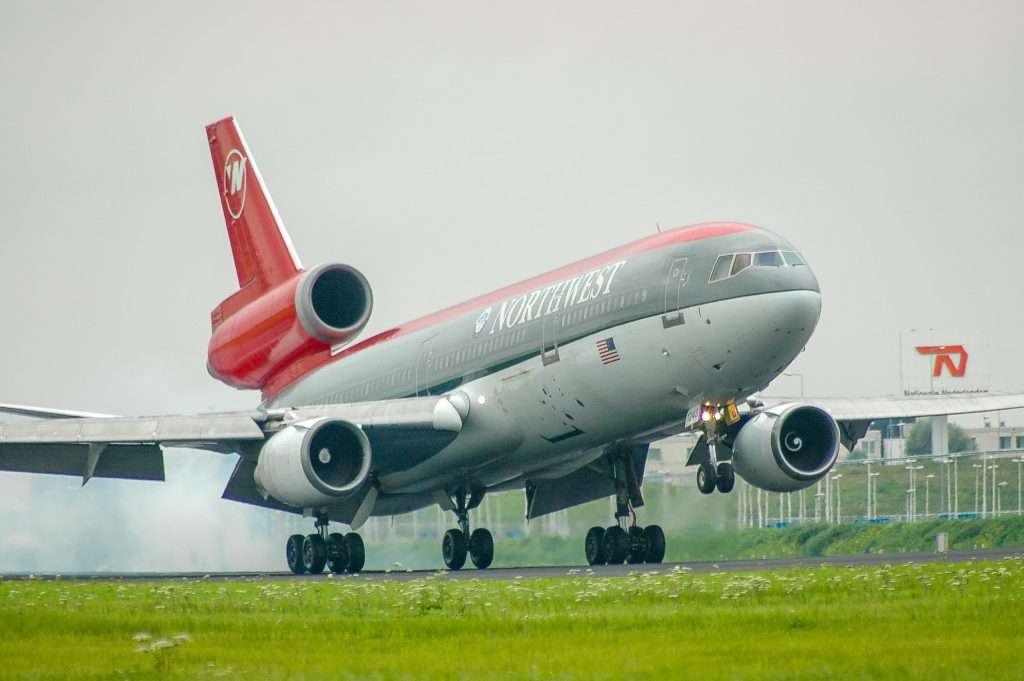
The MD-11 made its maiden flight on 10 January 1990, received FAA certification in November of that year, and was delivered to launch customer Finnair in December 1990, entering revenue service on 20 December. On paper, the programme looked like a competent, low-risk upgrade of a trusted aircraft. In practice, it arrived carrying a problem that would define its entire passenger career.
Why It Failed as a Passenger Jet
The MD-11 missed its performance targets from the start. Airlines had been promised a range of around 7,000 nautical miles with a full passenger load, which would have opened up nonstop transpacific routes and made the aircraft highly competitive.
What they got fell significantly short. Fuel burn came in higher than predicted, and range was insufficient for many of the long-haul missions operators had planned around the aircraft.
McDonnell Douglas worked to restore performance through a series of improvement programmes, and later examples came closer to the original targets. But the damage was already done.
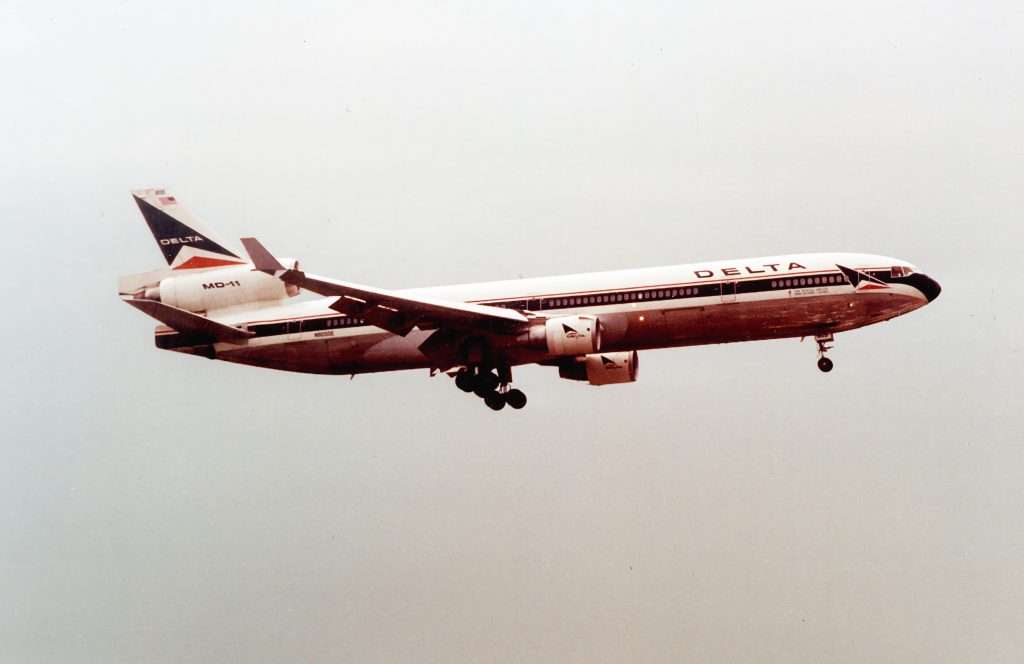
Singapore Airlines, which had placed an order for up to 20 aircraft, cancelled in August 1991, a high-profile blow that signalled broader loss of confidence. American Airlines complained about range shortfalls, forcing unplanned stopovers on routes where the aircraft was supposed to fly nonstop.
The competitive environment made matters worse. The Airbus A340-300, which launched in 1987, offered four-engine reliability and genuinely competitive long-range performance. Then, in 1995, the Boeing 777 arrived with twin-engine efficiency, a clean-sheet design, and significantly better economics.
Against those two alternatives, the MD-11’s case as a passenger aircraft effectively collapsed. Passenger deliveries ended in 1998. Total production ran to just 200 aircraft — well short of the 300-plus that McDonnell Douglas had originally projected. The programme was a commercial failure.
Here’s how the MD-11 compares to the aircraft that displaced it:
| Specification | MD-11 | Boeing 777-200ER | Airbus A340-300 |
| Passengers (3-class) | 298 | 313 | 295 |
| Range | ~6,840 nm | 7,065 nm | 7,300 nm |
| Engines | 3 × GE CF6 / PW4000 | 2 × GE90 | 4 × CFM56 |
| First flight | 1990 | 1994 | 1991 |
| Production total | 200 | 1,600+ | 380 |
The Freighter Second Life
What saved the MD-11 from obscurity was cargo. Freight operators have different priorities from passenger airlines. They care about payload, range, acquisition cost, and the ability to fly long sectors reliably. On those terms, the jet had a strong case.
The factory-built MD-11F freighter variant offered a maximum payload of around 91 tonnes and a main-deck volume of 440 cubic metres, accessible through a large forward cargo door. For operators expanding long-haul freight networks in the 2000s, the aircraft was an affordable workhorse, especially as passenger airlines began retiring their examples at low prices.
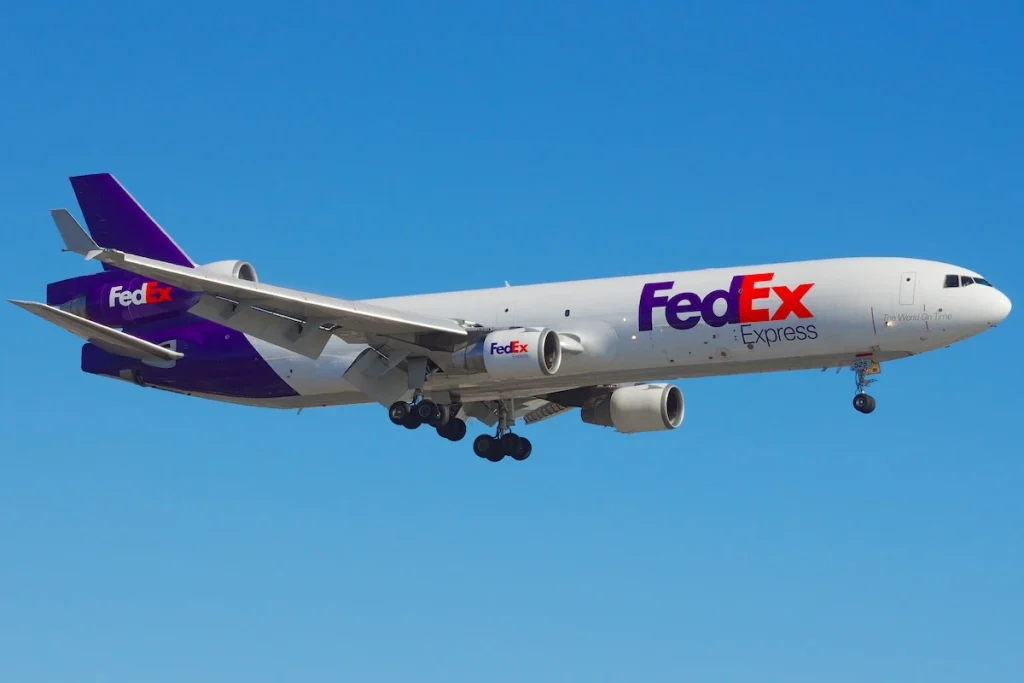
FedEx became the world’s largest MD-11 operator, taking delivery of factory-built MD-11Fs and converting retired passenger aircraft into freighters. UPS followed a similar path, building up a sizeable fleet over the years.
Lufthansa Cargo operated 19 MD-11Fs across two decades of service. The aircraft operated trunk routes across the US, Europe, and Asia for all three operators, connecting major hubs with high payload capacity and reasonable range.
KLM was the last airline to fly the MD-11 in passenger configuration, retiring its final example in October 2014 with a series of widely attended farewell flights from Amsterdam Schiphol. By that point, the aircraft’s identity had already fully shifted. It was no longer a passenger jet. It was a cargo plane.
The Final Years and the Louisville Crash
By 2025, the MD-11 fleet had shrunk to three active operators: FedEx, UPS, and Western Global Airlines. The aircraft is averaging over 30 years of age across all three fleets. Both FedEx and UPS had been managing planned retirements for years, with FedEx having pushed its MD-11 exit date back to 2032 after delays in receiving next-generation freighters.
On 4 November 2025, a UPS MD-11F operating as Flight 2976 crashed shortly after departing Louisville Muhammad Ali International Airport. The left engine and pylon separated from the wing during the takeoff roll, causing an immediate fire and loss of control. The aircraft struck buildings just outside the airport perimeter.

All three crew members were killed, as were 11 people on the ground, with a further 23 injured. The NTSB opened a full investigation, which remains ongoing and can be followed at the official case page at ntsb.gov.
Dj’s Aviation covered the crash as it unfolded, including subsequent developments regarding the fleet grounding and investigations. You can find the full coverage in this report on the UPS MD-11 crash in Louisville.
The crash triggered an immediate FAA grounding of the US MD-11 fleet. UPS announced in its Q4 2025 earnings report that it had retired its entire MD-11 fleet of 26 aircraft, with a mean age of over 31 years.
FedEx, which had planned to continue flying the type until at least 2032, confirmed it was working with Boeing and the FAA to return its aircraft to service, targeting a resumption by the end of May 2026. The grounding also effectively ended Western Global Airlines’ operations, as the carrier faced existential pressure after its 15 MD-11s were grounded, leaving it unable to operate.
What Replaces It
The aircraft replacing the MD-11 in FedEx and UPS’s thinking are the Boeing 777F in the near term and, eventually, the Airbus A350F and Boeing 777-8F once those programmes enter service. Neither of the two largest cargo integrators has yet placed an order for either next-generation type, largely because delivery timelines remain uncertain.
The A350F is targeting entry into service in the second half of 2027, while the 777-8F is not expected before 2029 at the earliest. In the gap, 777Fs and converted 767-300Fs are filling the role.
The MD-11’s departure also marks the effective end of the commercial trijet era. The DC-10, which preceded it, flew its last scheduled passenger service in 2014. A handful of modified DC-10s continue operating as aerial firefighting tankers in the United States, but for practical purposes, three-engine commercial aircraft are gone.
The twin-engine revolution driven by ETOPS rules, improving engine reliability, and the economics of two versus three powerplants made the trijet format increasingly uncompetitive from the 1990s onwards. The MD-11 held on in cargo because the economics were favourable and the aircraft were largely paid off. That runway has now run out.
Thirty-five years after its first flight, the MD-11 closes a chapter in commercial aviation that stretched from the last era of the trijet through the dawn of the twin-engine widebody age. It was never quite the aircraft McDonnell Douglas promised. In the freight sector, it was more than good enough.

ABOUT THE AUTHOR
Daniel Fowkes is a Melbourne-based aviation analyst and journalist with over a decade of industry experience. As founder of Dj’s Aviation, he delivers trusted analysis on aircraft, airline strategy and global aviation trends for djsaviation.net
Related Articles




Stay Informed
Get the latest aviation news, analysis and route updates delivered to your inbox.
We respect your privacy. Unsubscribe at any time.
Enjoyed this story?
Make us your go-to for aviation news
Add us as a preferred source on Google and see our latest stories first in Top Stories.
Add Us On Your News FeedRelated articles
· Uncategorized
· Routes
WestJet Is Cancelling 3 European Routes
Daniel Fowkes
03/10/2026
· Uncategorized
Lufthansa’s Boeing 777X & Airbus A350 Gamble
Bryan Shelmon
10/09/2026
· Emergency Landing
· Uncategorized
SWISS A330 Makes Emergency Landing As Smoke Fills Aircraft
Daniel Fowkes
28/07/2026
· Uncategorized
Airbus A321XLR and Boeing 787 Avoid Collision
Daniel Fowkes
19/07/2026