

Malaysia Airlines recently announced plans to cut its flying schedule for the remainder of 2024 due to a lack of reliability in its fleet.
Further details have emerged about the airline’s actual struggles concerning taking on new aircraft and the substantial capacity to be slashed.
Malaysia Airlines will cut around 20% of its total capacity through December 2024 as aircraft are delayed and the company faces issues maintaining its current fleet.
As part of its efforts to maintain the active fleet, the company needs to ensure it has spare parts available. However, supply chain difficulties have also led to a monumental part shortage.
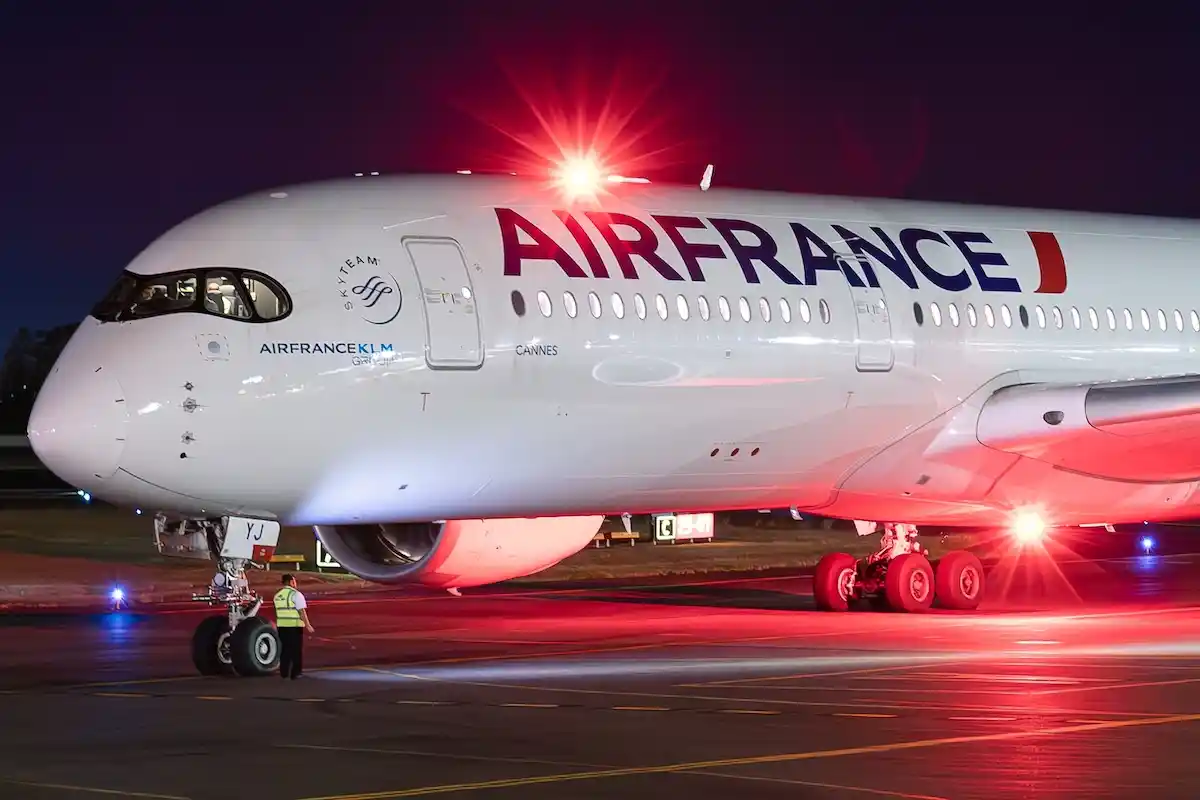
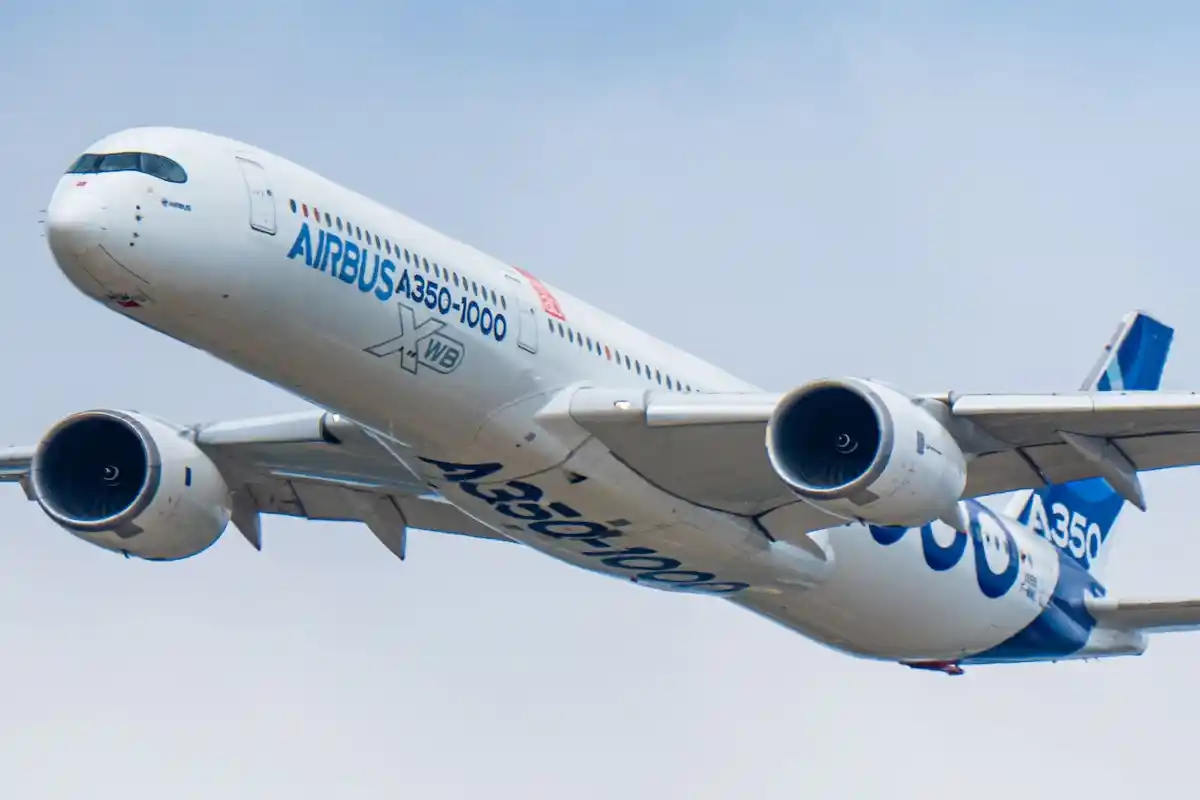
Three widebody aircraft are reportedly grounded, including A330s and A350s. These aircraft are typically instrumental in their long-haul flying but cannot get airborne.
Spare parts delays are the direct catalyst for why these planes aren’t being cleared to get back airborne, and these problems extend to the much smaller Boeing 737, which is also pivotal for short-haul flying.
With an intent to receive almost 20 aircraft across 2024, that figure is expected to be worse off with just four delivered for the 737 MAX.
The substantial difference between expectation and what was realised is that the airline is forced to take a step back and ensure that the schedule it can offer is as optimal and thus reliable for its customers.
In recent weeks, cancellations spurred on by the abovementioned complexities have led to business-wide frustrations from internal parties and those relying on the airline to get them to their destination.
Ultimately, Malaysia Airlines knows just how difficult the capacity reduction will be from the standpoint of disappointing customers, but it also knows that such a move is essential.
When considering there will even be reductions in the total deliveries of the A330neo in 2024, a new fleet type set to be delivered it hits home the impact the airline is facing.
There is great uncertainty about when the supply chain issues will stabilise and when the ability to source spare parts to maintain currently active aircraft will be restored.
Malaysia Airlines will continue watching the industry’s movements and, if in a worst-case scenario, be forced to adjust its expectations concerning capacity into 2025.

ABOUT THE AUTHOR
Daniel Fowkes is a Melbourne-based aviation analyst and journalist with over a decade of industry experience. As founder of Dj’s Aviation, he delivers trusted analysis on aircraft, airline strategy and global aviation trends for djsaviation.net
Related Articles


Stay Informed
Get the latest aviation news, analysis and route updates delivered to your inbox.
We respect your privacy. Unsubscribe at any time.
Enjoyed this story?
Make us your go-to for aviation news
Add us as a preferred source on Google and see our latest stories first in Top Stories.
Add Us On Your News Feed