
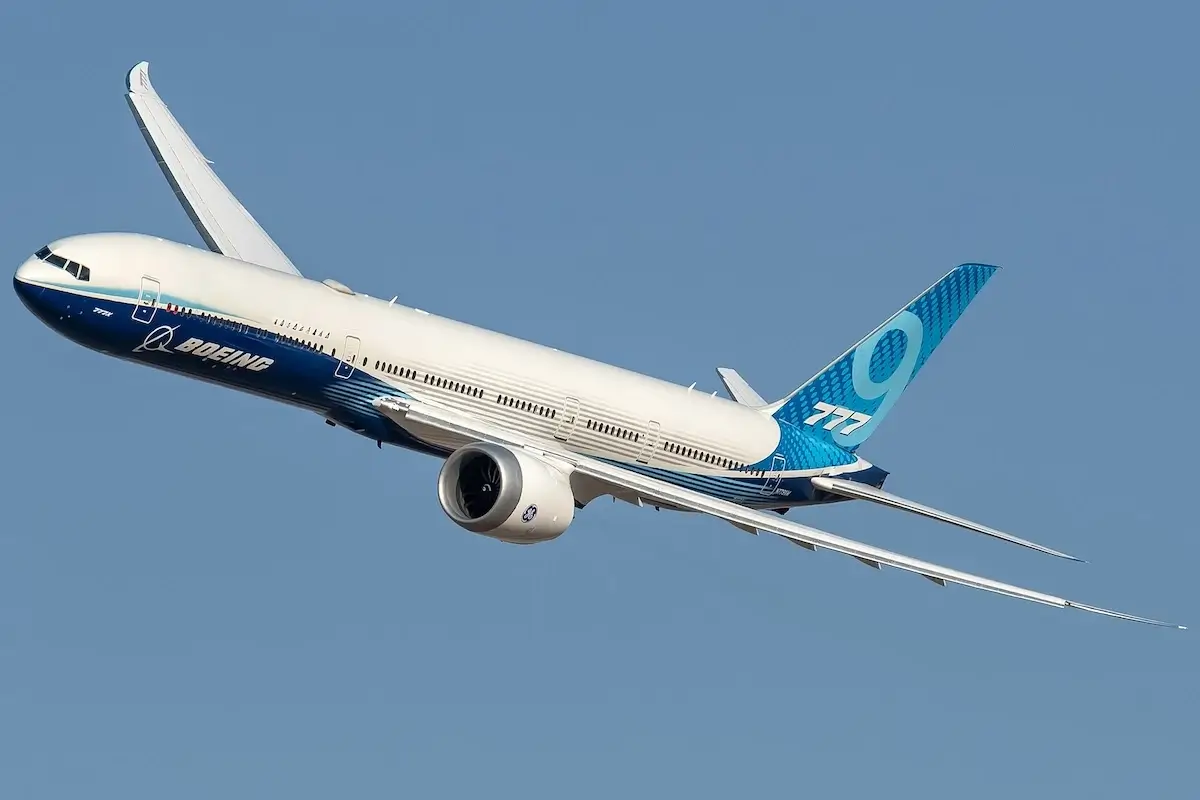
Lufthansa will take delivery of a brand-new flagship aircraft, the Boeing 777X, in the coming years.
However, after many delays, significant uncertainty, and numerous order changes, what will this new plane do for the German flag carrier?
Lufthansa’s Boeing 777X Commitment
Lufthansa’s order for the Boeing 777X dates back quite some time, to 2013, when the program was first launched, twelve years ago now.
At that point, the airline committed to 34 Boeing 777-9s and became the launch customer for the new, state-of-the-art long-haul product.
Lufthansa would eventually revise the order for 34 aircraft as well, choosing to turn the firm deal into 20 firm units with options for an additional 14, should it wish to exercise them at a later date.
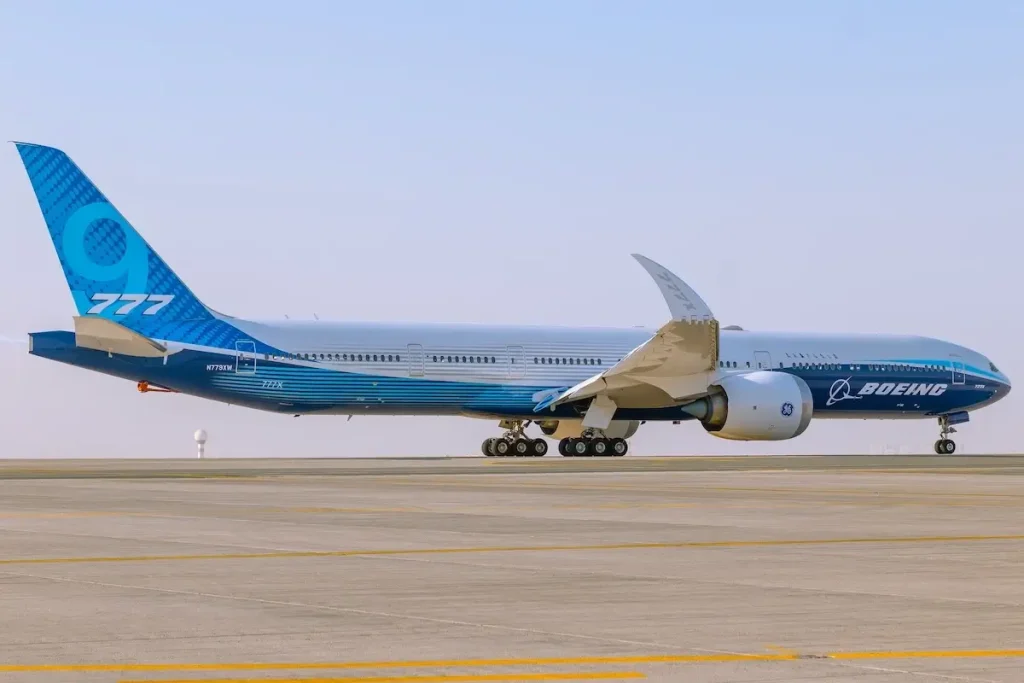
By 2022, Lufthansa would commit to the state-of-the-art Boeing 777-8F. This dedicated freighter model, launched recently, aims to improve cargo efficiency moving forward, bringing the total commitment of firm orders for the series to 27 across passenger and freight operations.
With Lufthansa committing to the Boeing 777X so early on and becoming its launch customer, the purchase was clear and a direct attempt by the airline to modernise its long-haul operations and plan for a more efficient future without quad-engined aircraft, which have long occupied the fleet.
The more recent decision by the airline to commit to the 777-8F also signifies a desire to future-proof the business’s freight division, with a focus on renewal and greater efficiency, just as the company’s passenger division.
Program Challenges Emerge
Unfortunately, while there’s great excitement surrounding the airline’s acquisition of the Boeing 777X program, it hasn’t been smooth sailing since the first purchase 12 years ago, and the model still hasn’t been delivered to the flag carrier.

Progress on the launch of this model has been slow, but it was once on track before everything unravelled. See, in early 2019, the engines were installed on the first 777-9, with the body join happening in February, all signs continuing to point towards a planned delivery to the German flag-carrier in the summer of 2020 as part of its initial purchase agreement.
Just a month later, the first 777-9 was rolled out, a quiet ceremony amid attempts by the planemaker, which came just days after another one of its 737 MAX jets went down. Unfortunately, for the long-haul jet, just months later, pre-delivery test issues scrapped the first flight plans.
Delays in the first flight of the 777X were spurred by GE9X engines, pushing the first flight back to 2020 from 2019 and completely throwing out the certification window that had been established, meaning that Lufthana was beginning to prepare for delays in acquisition efforts.

Unfortunately, since the program’s first delay, it has been more of the same: every half year, there are fresh delays announced. This has caused Lufthansa much frustration, despite the prospect of the new model’s arrival and what it’ll do for the airline.
Boeing most recently confirmed that the first delivery of the 777-9 will come in 2027, which is seven years later than initially expected, meaning that Lufthansa has had to rely on older, less efficient models to mitigate the capacity loss that would be felt because of delays in acquisition efforts of this new long-haul product.
An Important Role Moving Forward
Despite this, the Boeing 777X will be critical to the airline’s future for decades to come, with its state-of-the-art efficiency, which will substantially elevate the widebody program moving forward and finally enable a lower reliance on quad-engined widebodies.
While models such as the A380, A340, and 747 offer significant capacity, they also lack the efficiency the German flag carrier would want as 2026 rapidly approaches, the 777X will finally help change that tone.
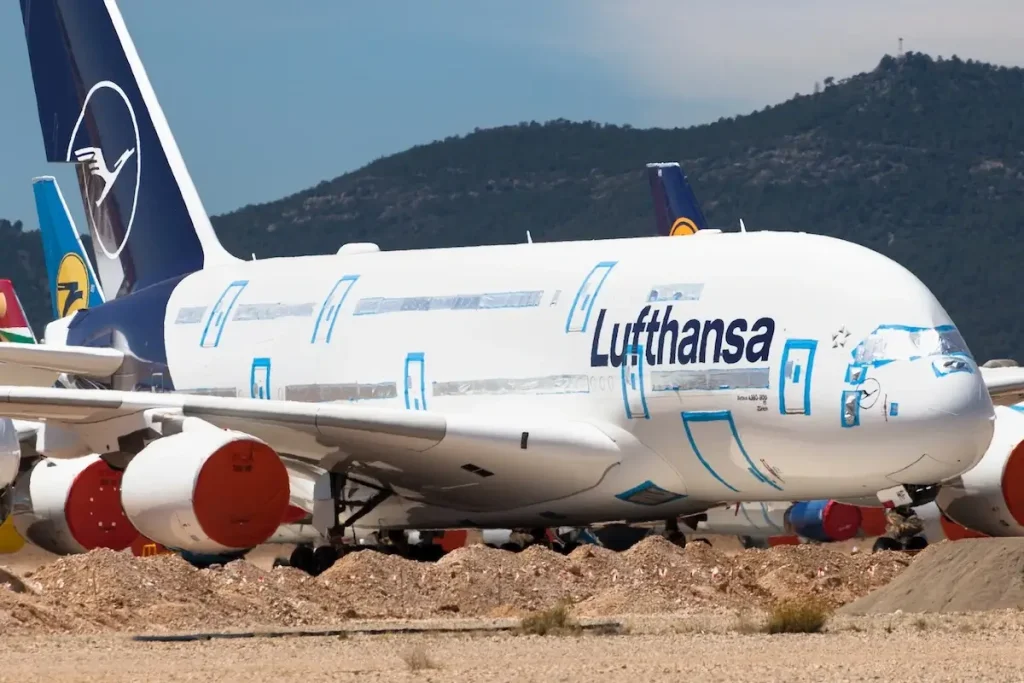
One of the strongest features on the new model is its engines, the GE9X, which is the largest commercial turbofan that has been built and crucial to achieving fuel burn and better emissions while reducing noise, all in all giving Lufthansa greater confidence moving forward.
Additionally, for Lufthansa, the aircraft represents the largest twin-engine widebody on the market, which is a critical stat to consider as the German flag carrier begins to move away from quad-engined superjumbos, which offer great capacity but are less efficient and incur higher maintenance costs as they age.
With all this in mind, the 777X will form the backbone of the airline’s long-haul fleet moving forward, with Lufthansa leveraging the aircraft’s efficiency and high capacity to serve international markets, complementing the existing Boeing 787 and Airbus A350, which are both currently in service.
Looking Ahead For Lufthansa
As crucial as the Boeing 777X will be for Lufthansa, it’ll also be important to its passengers, as the flag carrier looks to leverage the new aircraft to deliver a state-of-the-art experience.

Additionally, given the importance airlines place on turnaround, the delivery of new planes with updated cabins will be key to creating a more harmonious and therefore consistent cabin experience across all fleet types.
For too long, customers have criticised the onboard product offered by the German flag-carrier, and that criticism has extended to many other parts of the business, to the point that the airline acknowledged the issue and has since been attempting to turn around its fortunes.
That turnaround is expected to drive greater efficiency and higher customer satisfaction, in the hope of leading to sustainable, long-term profitability, which is what every airline strives to achieve.
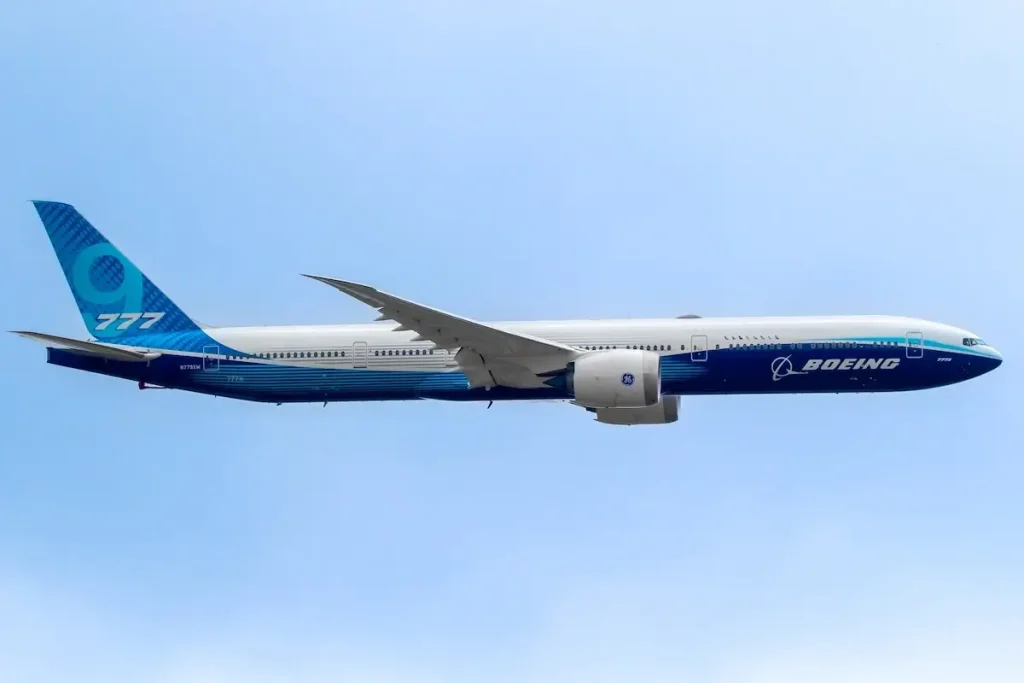
Ultimately, the pathway to the 777X has not been easy, but the flag carrier expects significant benefits from the model once delivered and hopes its patience will pay off.

ABOUT THE AUTHOR
Daniel Fowkes is a Melbourne-based aviation analyst and journalist with over a decade of industry experience. As founder of Dj’s Aviation, he delivers trusted analysis on aircraft, airline strategy and global aviation trends for djsaviation.net
Related Articles




Stay Informed
Get the latest aviation news, analysis and route updates delivered to your inbox.
We respect your privacy. Unsubscribe at any time.
Enjoyed this story?
Make us your go-to for aviation news
Add us as a preferred source on Google and see our latest stories first in Top Stories.
Add Us On Your News Feed