
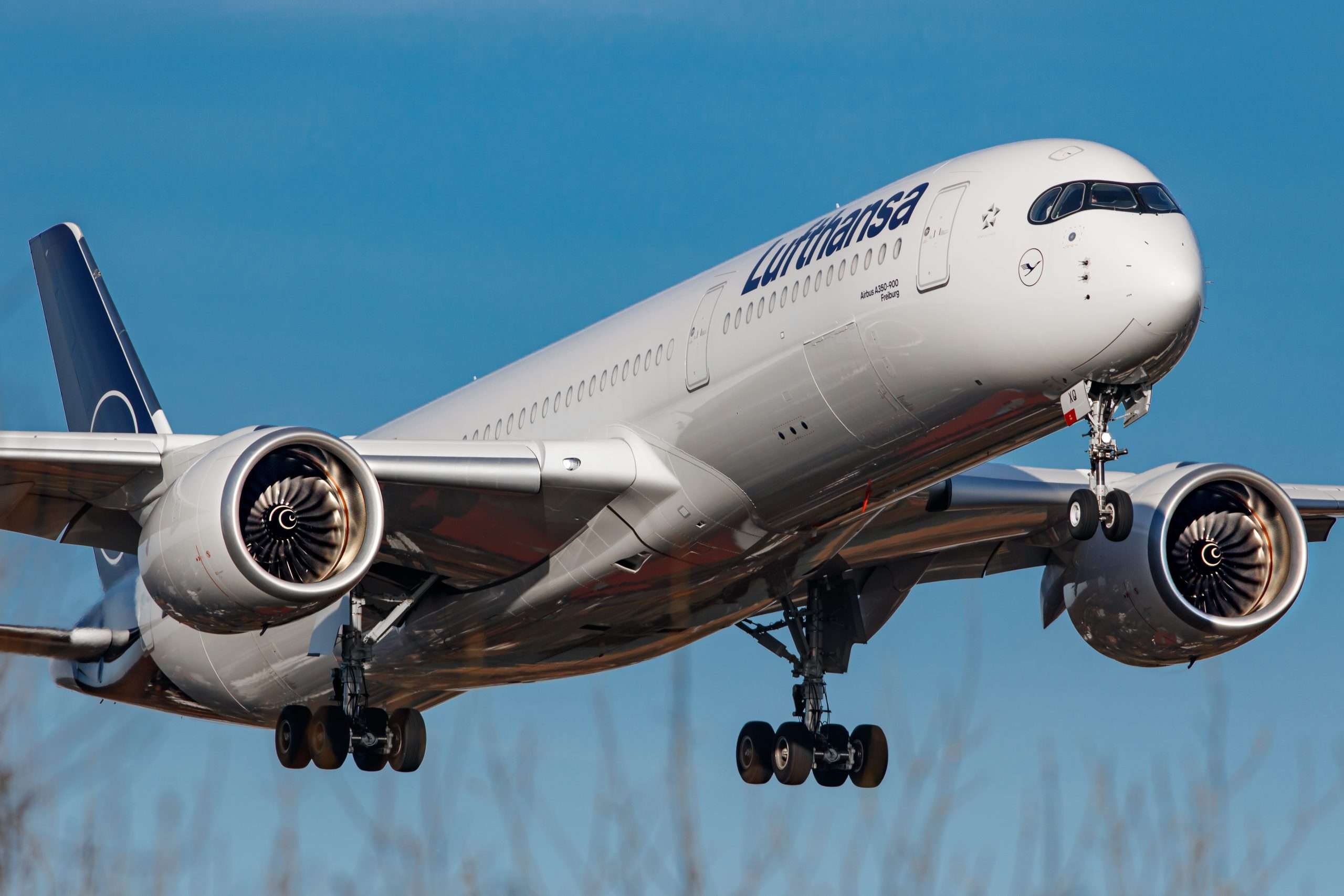
Lufthansa Group has published a brief view of its financial results and highlighted the impact it faces following significant strikes. As a result, the Group has also adjusted its full-year outlook.
As part of the latest reports for the first quarter of 2024, the Group reported an adjusted EBIT loss of 849 million euros. This loss is a significant jump over the Q1 2023 loss of 273 million euros.
Lufthansa cites several reasons for the higher-than-expected losses. Primarily, this poor financial performance was due to various strikes. Strike action included several employee groups contributing 350 million euros of impacted earnings.
An adjusted forecast was also published for the second quarter, with the company expecting a lower performance than the previous year. Wage disputes are the primary catalyst for poor performance, as the wage bill is expected to increase, with much focus on the primary brand of Lufthansa, which managed to settle wage discrepancies.
The company’s final first-quarter results are expected to be published on April 30, 2024, which should paint a better picture of its overall performance in multiple sectors.
A Second Quarter Looks Bleak
Bookings have been solid in the second quarter, according to the Group. However, a capacity ramp-up is expected not to occur at the rates initially predicted. The Group wants to improve customers’ travel experience, emphasising its current network.
As the group battles persistent aircraft delivery delays, airlines within the Group generally cannot ramp up capacity at an ideal level. Instead of ramping up capacity and seeing slips in the quality of service, the Group would prefer to focus on offering the most robust network possible with its current assets.
Looking ahead, Lufthansa should see expenses rise significantly, similar to other airlines that have agreed to improve wages for employees.
Aircraft Delivery Delays
Additionally, Lufthansa has been significantly impacted by the ongoing inability of aircraft manufacturers to deliver aircraft on time. As a result, the airline has been forced to retain older, less efficient aircraft such as the A380, A340 and 747 to cope with the need for capacity.
Notable delays include the upcoming high-capacity Boeing 777X, which was initially earmarked for a 2020 entry into service but has been delayed since then.
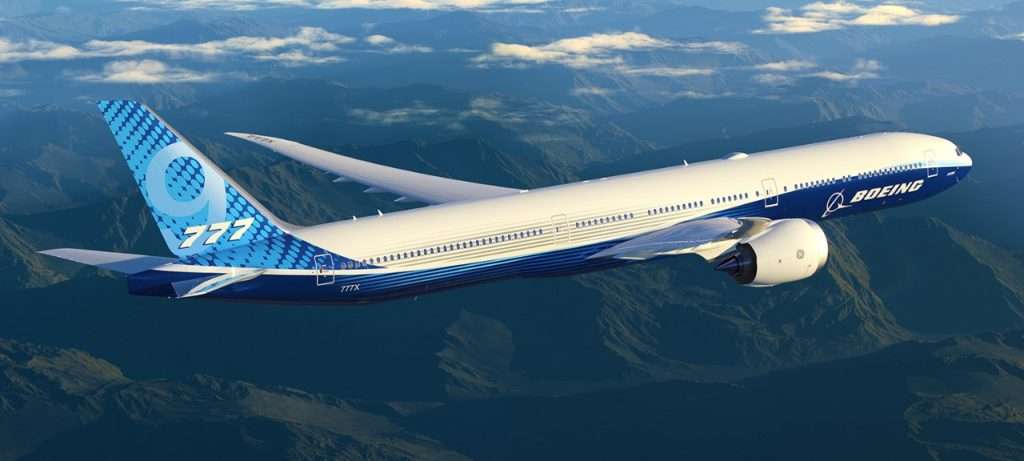
Current estimates see the first delivery of the 777X occurring in 2025. However, following Boeing’s persistent problems starting in 2024, leading customers of the wide body are concerned that this will slip towards 2026.
Aside from the 777X, there are other notable delays to aircraft, such as the A350 and 787, as manufacturers battle supply chain difficulties.

ABOUT THE AUTHOR
Daniel Fowkes is a Melbourne-based aviation analyst and journalist with over a decade of industry experience. As founder of Dj’s Aviation, he delivers trusted analysis on aircraft, airline strategy and global aviation trends for djsaviation.net
Related Articles




Stay Informed
Get the latest aviation news, analysis and route updates delivered to your inbox.
We respect your privacy. Unsubscribe at any time.
Enjoyed this story?
Make us your go-to for aviation news
Add us as a preferred source on Google and see our latest stories first in Top Stories.
Add Us On Your News FeedRelated articles
· Airlines
Allegiant Air Buys Six More 737-8s From Boeing
Daniel Fowkes
26/10/2026
· Airlines
Emirates vs Qatar Airways: The Gulf Superhub Rivalry Compared
Bryan Shelmon
26/10/2026
· Airlines
Riyadh Air Is Moving Away From Riyadh
Daniel Fowkes
26/10/2026
· Airlines
Emirates Isn’t Worried At All
Daniel Fowkes
25/10/2026