

During 2020, Lufthansa was forced to ground its fleet of Airbus A380s and had every intention of not seeing the aircraft return.
Lufthansa joined a long list of global carriers that looked to rid themselves of the quad-engined jet, but not all airlines’ plans with the superjumbo worked out as intended.
What happened with the A380s grounded? Why did this occur? What took place after? And where does Lufthansa sit now?
The A380 Is Grounded
In response to the COVID-19 pandemic, the industry was put in a position unlike any other, and airlines were forced to make harsh but neccesary decisions regarding their operations.
By the second week of March, Lufthansa confirmed that it would ground the aircraft, following initial reporting from aero.de with the jet to be parked until May.
The grounding of the aircraft followed occupancy rates that were dropping substantially. As demand decreased, so did the number of people travelling, and keeping the plane in service made little to no sense.
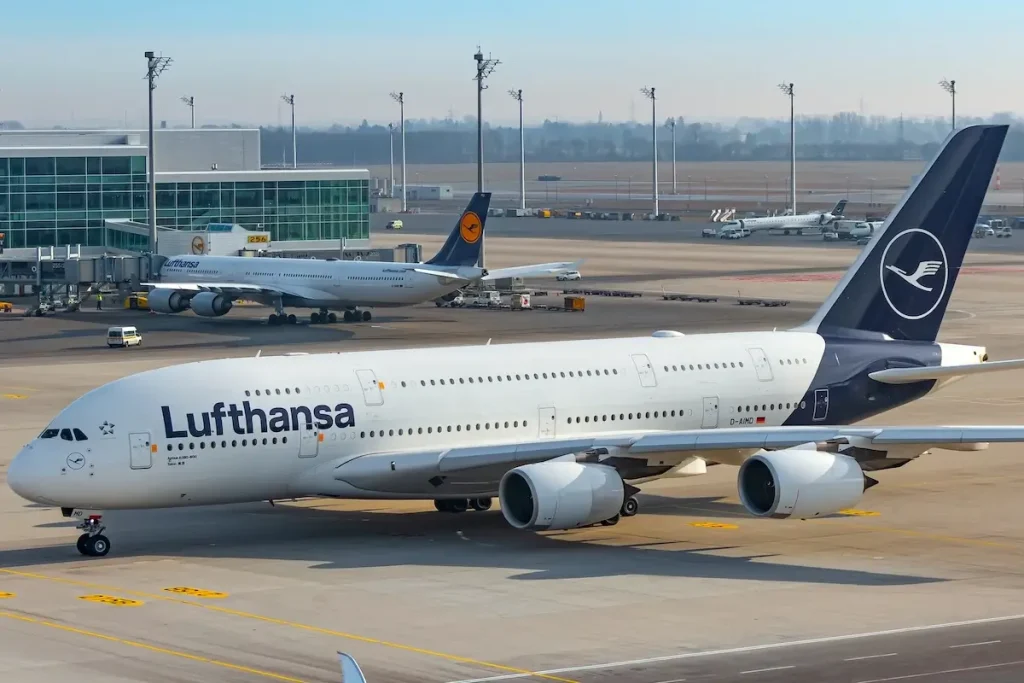
At the time of the grounding, Lufthansa had 14 Airbus A380s, which had served the network in the decade prior. These flagship aircraft were able to cater to high-demand markets that required additional capacity.
However, the grounding followed a theme industry-wide, as airlines looked to battened down the hatches instead of weathering the storm, choosing to ground assets to emerge from the global restrictions relatively unscathed.
In the months following the initial grounding, Lufthansa would keep the jet parked and continue to push back the reactivation date, a period when caution was paramount and airlines were not keen on jumping the gun at a small sign of improvement.
A Retirement Coming?
By September 2020, Lufthansa had seen little to no improvement for international quad-engined travel and decided to make a radical decision, which would end its operations with the Airbus A380s following previous retirement and grounding announcements.
Bloomberg broke the news that the airline was to retire all of the remaining Airbus A380S in its fleet and move ahead with the retirement of most other remaining quad-engined types aside from the newer 747-8 model.
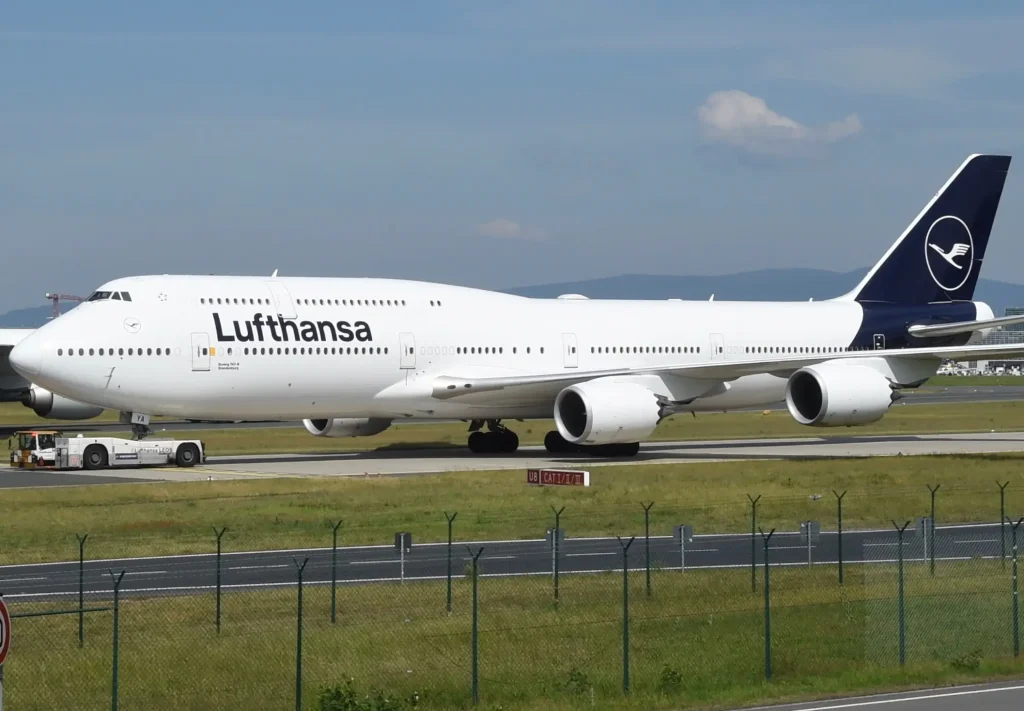
The decision by the airline stemmed from a major overhaul of its operations, which focused on leveraging the low travel demand to streamline and eliminate many aircraft types in a swift transformation effort.
This transformation effort, undertaken by the German flag carrier, was one seen around the world as airlines sought to leverage poor demand to retire older planes that were no longer required.
However, things would not pan out as intended, and Lufthansa would eventually backtrack on the decision, choosing to return the aircraft to service.
Lufthansa’s Fleet Problem
For Lufthansa, the return of the Airbus A380 was driven by several factors, but none more so than a general inability to take delivery of next-generation aircraft, which were ordered to help renew the fleet but also, in the end, replace the A380.
When Lufthansa decided to ground the Airbus A380, it was responding directly to the drop in demand and the need to survive financially, with aircraft of this status being parked to preserve finances.

However, as demand surged back, the airline, which had made decisions to cut aircraft types permanently, found that the pandemic had also caused damage to supply chains and thus the planemaker’s ability to deliver new aircraft.
As a result, the flag carrier of Germany found itself in a position where it was short of multiple aircraft, and with demand surging back, it was left with a lack of capacity.
The Airbus A380 was then a viable option to return, if even on a short-term basis, as initially intended to help combat the lack of new aircraft being delivered, all of which had significant delays due to the struggles of planemakers such as Airbus and Boeing.
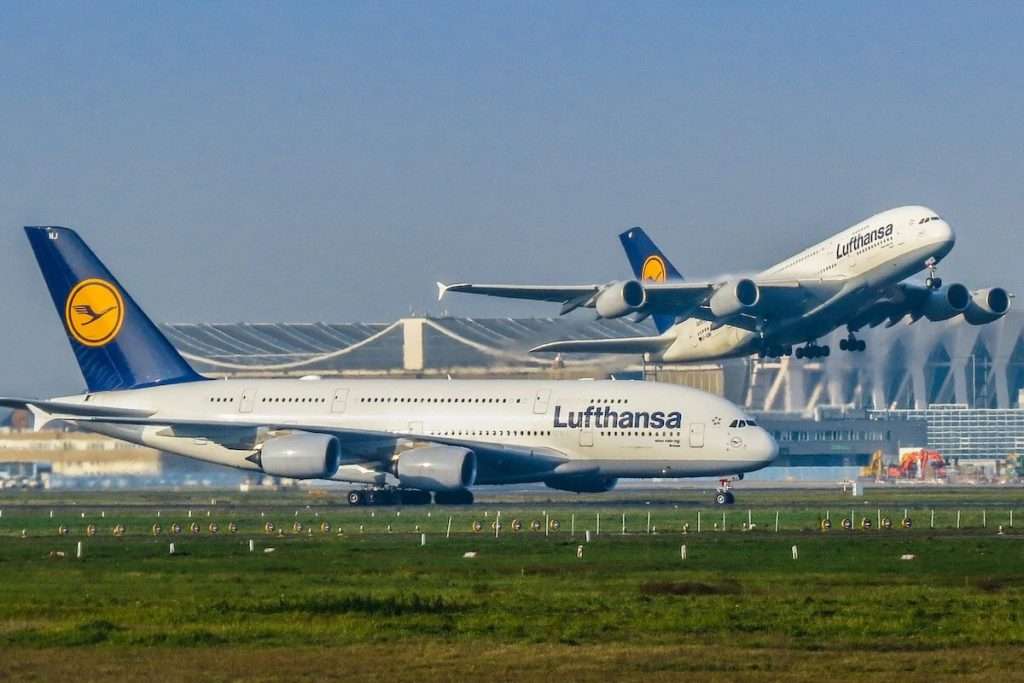
Now, in 2025, the Airbus A380, however, continues to fly with Lufthansa. The flag carrier may argue that it has been present for its second stint longer than intended, but that does not align with the strong demand, nor the persistent delivery woes across planemakers.
Aircraft such as the A350 from Airbus have been delayed, and that’s not even taking into account the 787’s backlog, alongside an inability to take delivery of the 777X because it remains uncertified.
The A380 Future Remains Unclear
While the Airbus A380 remains active across the German flag carrier’s day-to-day operations, its future remains unclear following Lufthansa Group’s publication of its latest Capital Markets Day PowerPoint.
With this publication, the Group placed a comprehensive focus on not only its current position but also what the intended future looked like; with that, the fleet was an important pillar that was explored.
Lufthansa will undergo widebody simplification over the coming years, resulting in a reduction in the number of fleet types across the Group. This simplification will result in iconic airframes departing in favour of continued new arrivals from next-generation programs.
However, while some retirements have already been confirmed, there were question marks placed on the A380 in that presentation; the airline intends to keep the aircraft around, but placed question marks in the presentation on its future.

As a result, now, as 2025 comes to a close, the long-term prospects for the world’s largest passenger plane remaining in the active fleet are unclear.
Lufthansa falls into a category that many other jet operators find themselves in, where the series is crucial for meeting growing demand across high-profile markets; however, there are also more efficient alternatives that are being introduced slowly but surely.
Ultimately, Lufthansa, in an ideal world, would’ve already stopped flying the A380, equally therefore having a plan in place to rid itself of the aircraft. With that in mind, if an opportunity presented itself in the next five years to remove the type with minimal impact, it’s believed that this would be taken.

ABOUT THE AUTHOR
Daniel Fowkes is a Melbourne-based aviation analyst and journalist with over a decade of industry experience. As founder of Dj’s Aviation, he delivers trusted analysis on aircraft, airline strategy and global aviation trends for djsaviation.net
Related Articles




Stay Informed
Get the latest aviation news, analysis and route updates delivered to your inbox.
We respect your privacy. Unsubscribe at any time.
Enjoyed this story?
Make us your go-to for aviation news
Add us as a preferred source on Google and see our latest stories first in Top Stories.
Add Us On Your News Feed