
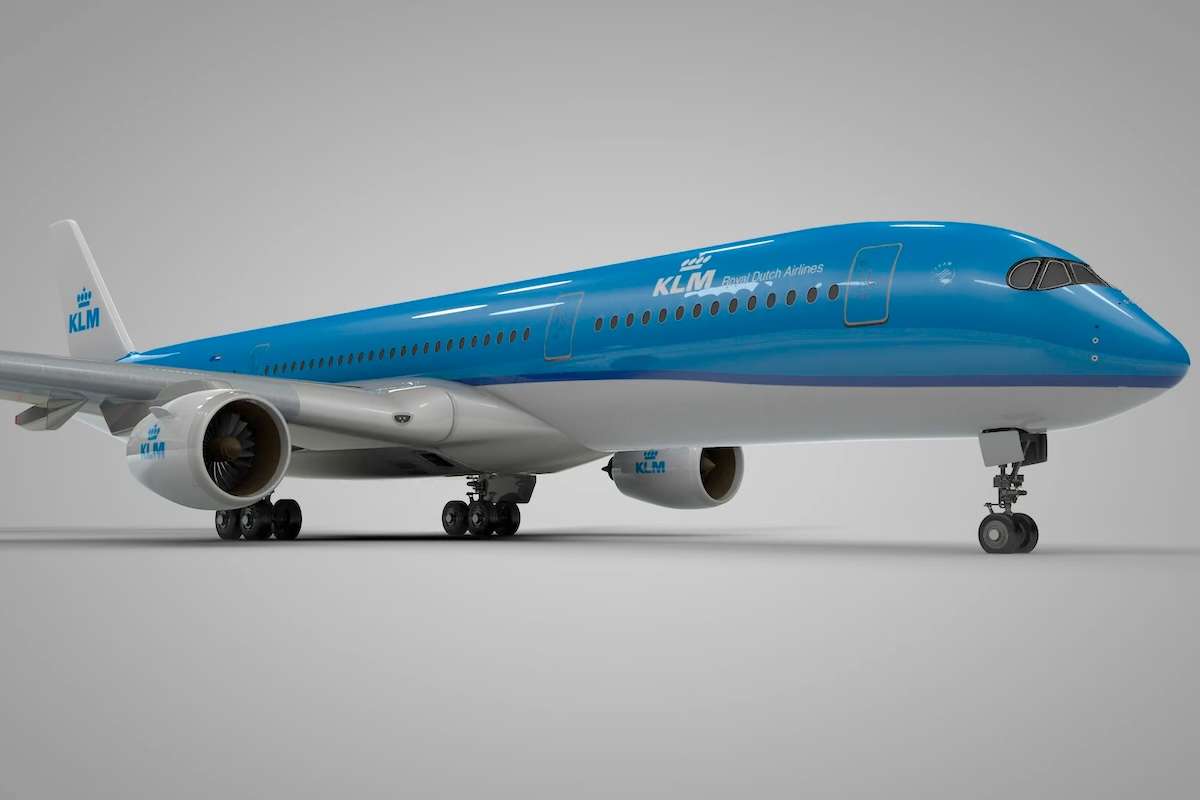
KLM is closing in on the debut of the Airbus A350-900 with plans firming up and the type scheduled across multiple long-haul routes through late March 2027.
The schedule firming flagged by aeroroutes.com is part of an expansion beyond the previously laid-out initial trial window, but it comes not without its hiccups.
A350-900 Debut and Schedule Extended
Originally, KLM’s Airbus A350-900 operations were filed only through to late November 2026, with a cautious phased entry into service and still uncertainty on delivery driven by the previous delays.
Now, KLM is planning to extend its schedule comfortably into the Northern Winter season and be ready for the Northern Summer, with schedules running to the changeover into Q2 2027 with enhanced deployment and availability.
The first A350-0900 route is scheduled as Amsterdam to Toronto Pearson with flight pair KL691/692 departing five times a week from 29 September 2026 on the newest Airbus jet. This service jumps to six weekly from 1 January 2027 with the A350 and then daily by 1 March 2027.
Previously, the timeline showed the service ending as of 30 November 2026, or at the very least, no further deployment details on the new Airbus widebody were available. However, this was always likely to change with more A350s being delivered.
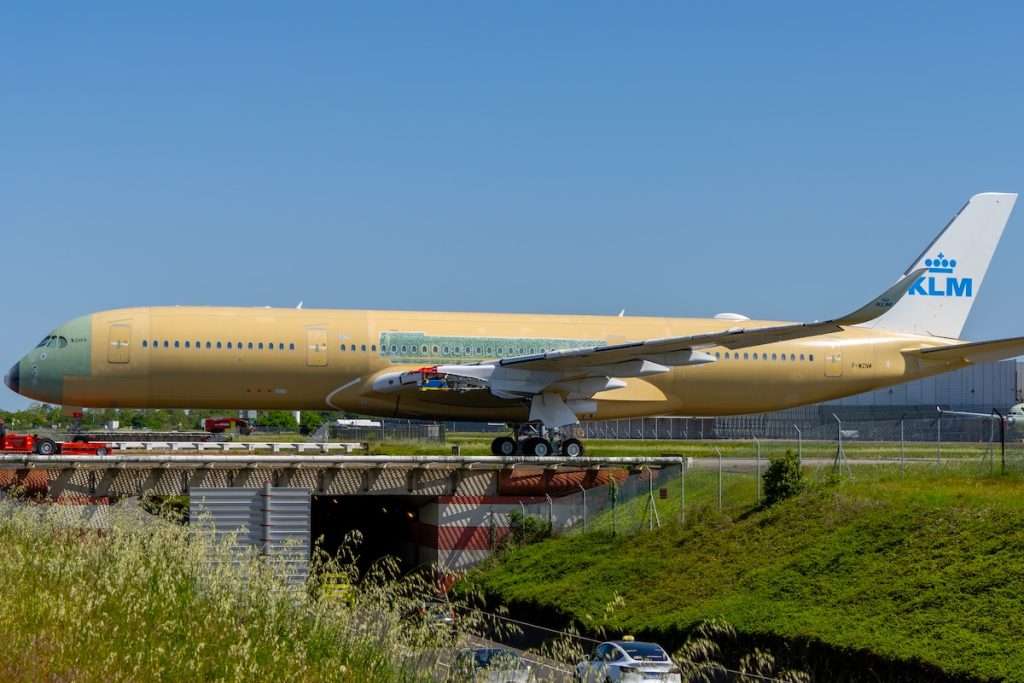
Canada will also receive connectivity from the new jet from 30 November 2026, with KLM operating the A350-900 three times a week and replacing the A330-200 and A330-300 capacity across these specific frequencies.
However, that changeover is, except for a brief period that runs from 4 January through 28 February 2027, when the older A330ceos will return in place of the A350s. The limited schedule offering across this transatlantic sector still shows the new jet gaining its footing.
KLM Turns Attention To Africa and 787-10 Replacement
Beyond North America, which will welcome the A350-900 early on, KLM will also deploy the newest Airbus jet on East African routes, at times replacing the Boeing 787-10, a high-capacity and next-generation jet in the fleet.
From 1 December 2026, two of the five weekly services that operate on the Amsterdam–Kilimanjaro–Dar es Salaam–Amsterdam rotation will be switched to the A350-900, with the other three services remaining on the Boeing 787-10.
KLM will mirror this nearby, with two of the five weekly flights also slated to move to the Airbus A350-900 on the Amsterdam–Zanzibar–Dar es Salaam loop. Two flight switches will take effect from 6 December 2027 and then increase temporarily to three between 8 January and 19 February 2027.
Amsterdam to Nairobi will see the A350 now arrive slightly later than first expected, and two of the seven weekly flights will see the A350-900 in place of the 787-10 from 5 January 2027. By early March, that’ll rise to three of the seven weekly flights, and thus in its African markets many flights will be swapped to ensure a mix of the A350 and 787.
KLM Still Deals With Business Class Problems
Despite preparations gearing up for the A350-900’s debut, the most frustrating aspect, aside from delivery delays, is the rollout process and cabin availability. Despite flights being filed and bookable, Business Class reservations are not available to customers.
For a brand-new aircraft, this type of restriction is unusual, especially long-haul, and points to ongoing product issues that KLM, Airbus, regulators, and suppliers have yet to iron out. The missed revenue opportunity mirrors Lufthansa’s new Allegris woes on the 787, which left seats blocked for months and revenue opportunities unbooked.
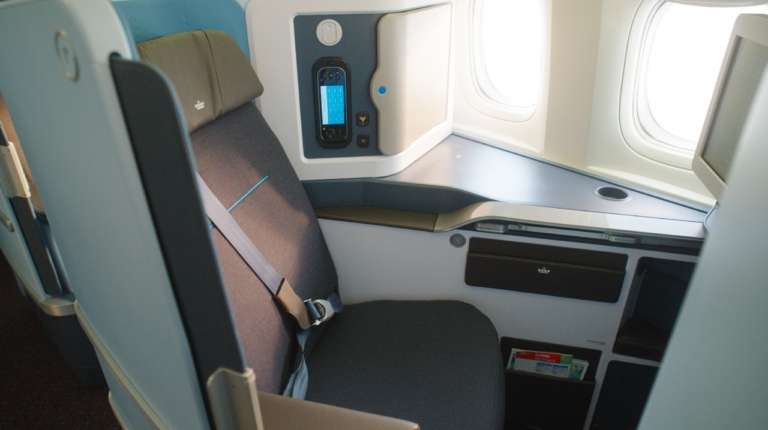
In the final configuration, the planes will have 331 seats in a three-class layout, and at the front of the cabin, 34 World Business seats will generate premium revenue. However, when debuting, at least on crew training rotations, they will be blocked from use.
The issue isn’t centred around the A350 or Airbus itself, but with the certification of the new World Business Class being delayed as authorities have shifted what the Dutch carrier describes as the interpretation of requirements on a regulatory level since they were designed, approved, and installed, adding time to the process.
This has meant that, over the years, the bar has been raised for approval; while the jet is ready for handover, forced tests have been added to the process, and hard conversations have taken place between the manufacturer, airline, suppliers, and regulators.
This is not just a regulator-widebody, or KLM’s 50th A350-900, but rather the debut of an all-new widebody experience intended to take the airline forward. Therefore, the certification woes are frustrating, and the aircraft must be a strong revenue generator as soon as possible.

ABOUT THE AUTHOR
Daniel Fowkes is a Melbourne-based aviation analyst and journalist with over a decade of industry experience. As founder of Dj’s Aviation, he delivers trusted analysis on aircraft, airline strategy and global aviation trends for djsaviation.net
Related Articles




Stay Informed
Get the latest aviation news, analysis and route updates delivered to your inbox.
We respect your privacy. Unsubscribe at any time.
Enjoyed this story?
Make us your go-to for aviation news
Add us as a preferred source on Google and see our latest stories first in Top Stories.
Add Us On Your News FeedRelated articles
· Airlines
Allegiant Air Buys Six More 737-8s From Boeing
Daniel Fowkes
26/10/2026
· Airlines
Emirates vs Qatar Airways: The Gulf Superhub Rivalry Compared
Bryan Shelmon
26/10/2026
· Airlines
Riyadh Air Is Moving Away From Riyadh
Daniel Fowkes
26/10/2026
· Airlines
Emirates Isn’t Worried At All
Daniel Fowkes
25/10/2026