

Japan Airlines is currently evaluating new aircraft for a future purchase as it overhauls its fleet.
The focus of the now-fresh renewal efforts is on regional aircraft, including the E-Jets, among other fleet types, to serve as a long-term successor with enhanced efficiency.
The Japan Airlines Group is specifically looking towards its J-Air branding, which is set for an overhaul. This is its short-haul division, and with several aircraft types present, the new order would likely be beneficial.
With many next-generation regional aircraft available to Japan Airlines, the possibility of consolidating its fleet down from the E-Jet, ATRs, and Dash 8s would be significant.
With five different aircraft types, this is a strategy that many airlines employed in the past. However, consolidating would not only bring better overall operational efficiency but also better economics for the carrier in the future.
Flightglobal broke the story, confirming through the airlines’ October 1, 2025, annual report that it intends to look towards future demand trends to decide on the regional fleet makeup in the future.
Narrowbody aircraft will be crucial for Japan Airlines moving forward. Over the next five years, a heightened focus will be on driving the adoption of smaller aircraft for these journeys, with a primary goal of achieving better profitability and meeting demand.
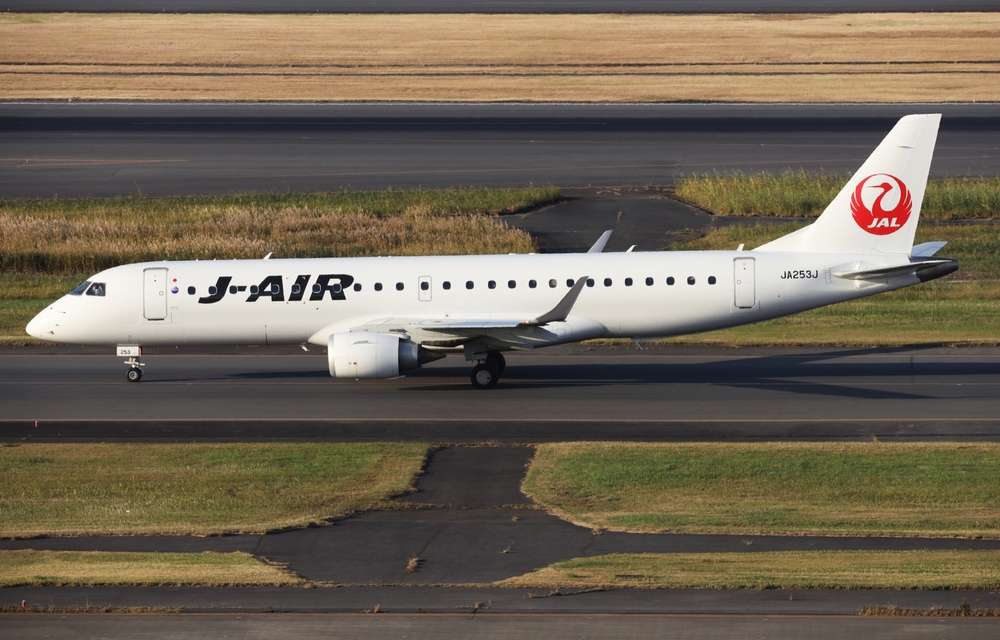
However, while the airline recognises that its single-aisle jets are crucial for short-haul flying, it has also not been afraid to deploy higher-capacity jets, such as the Airbus A350, between cities that require more seats per flight than regional aircraft can offer.
The need to offer more seats across short-haul services has led more airlines to opt for larger aircraft to replace those of smaller stature. For example, Qantas has chosen the A220 to replace the 717, while the A321XLR is replacing the 737. Both inbound types offer superior upgrades and capacity, reshaping how airlines move passengers.
Looking Ahead For Japan Airlines
For Japan Airlines, a more conventional route would involve looking directly at the popular Embraer E2 to replace its aging regional jets, or even the Airbus A220.
These two aircraft types are leaders in the industry for this type of operation and represent upgrades on the existing units currently in service at the airline as well.
Whatever direction JAL chooses to head, its fleet composition will undergo a shift, with consolidation resulting in improved fleet harmony. This trend has already been underway with other aircraft orders.

The airline’s widebody fleet has been taking shape, with aircraft types such as the 787 and A350 leading the way in next-generation capabilities. However, work is still underway with the single-aisle fleet, with recent orders for aircraft like the 737 MAX helping to make progress in this area.
Airbus and Embraer will now undoubtedly liaise with Japan Airlines to present their best cases for the A220 and E2, respectively, in an effort to secure a contract and support renewal at the carrier.

ABOUT THE AUTHOR
Daniel Fowkes is a Melbourne-based aviation analyst and journalist with over a decade of industry experience. As founder of Dj’s Aviation, he delivers trusted analysis on aircraft, airline strategy and global aviation trends for djsaviation.net
Related Articles




Stay Informed
Get the latest aviation news, analysis and route updates delivered to your inbox.
We respect your privacy. Unsubscribe at any time.
Enjoyed this story?
Make us your go-to for aviation news
Add us as a preferred source on Google and see our latest stories first in Top Stories.
Add Us On Your News Feed