

As the 21st century approached, the Airbus A380 emerged as a solution to airlines’ struggles to operate high-capacity flights in slot-restricted airports.
With production having ceased, is the Airbus A380 about to be retired rather than sticking around for the long term?
The Airbus A380 Rise & Fall
Once hailed as the future of long-haul air travel, the Airbus A380 has had a rocky road throughout its time within the industry, and highs often met with lows.
Alongside its rise during development stages, a parallel downfall began unfolding, dramatically affecting the planemaker’s ability to sell the amount of aircraft it had hoped.
Airlines began to realise the operational inefficiencies of double-decker aircraft, mainly as more twin-engine aircraft emerged as reliable and efficient solutions.
These newer aircraft offered lower operating costs, better fuel efficiency, and, for most carriers, the flexibility to operate long-haul routes throughout their business.
Another factor for the A380s downfall was the market’s shifting dynamics that saw airlines pivot away from focusing on the more traditional hub and spoke model and towards point-to-point travel.
The arrival of the COVID-19 pandemic saw international travel demand drop to zero, and airlines attempting to preserve their business aircraft, such as the A380, were put on the chopping board first.
But, with the aircraft mounting a comeback at some airlines, are these companies about to retire the aircraft or is the plane back for the long haul?
Emirates & The Airbus A380
If there is one airline that hasn’t seen its love for the A380 drop, it is Emirates. The Dubai-based carrier has built its brand around the world’s largest passenger plane and has done so successfully.
The airline has looked to offer an unparalleled experience. It leverages its high capacity to develop its home base in Dubai and connect the world to this location through various global hubs.

Emirates operates the largest A380 fleet in the world, with more than 120 units delivered. Despite initial industry scepticism, the hub-and-spoke model allowed Emirates to thrive with the aircraft, among other reasons.
While many airlines have sought to retire the aircraft, Emirates has taken a different approach. It plans to fly the A380 into the early 2040s. This longevity is possible due to ongoing multi-billion-dollar investments in cabin products and plane maintenance.
Emirates knows it must continue setting high standards since its conception. If the planes will be in the fleet until the early 2040s, it must keep them in the highest condition, externally and internally.
A lack of retirement also means that no dedicated replacement is being built. Therefore, Emirates knows that planes such as the A350 and 777X must contribute to replacement efforts unless something larger emerges in the next two decades.
What About Qatar Airways & Lufthansa
For airlines such as Qatar Airways and Lufthansa, the Airbus A380 has proven to be a blessing and a curse. Both carriers initially retired the aircraft during the pandemic, citing inefficiency and a focus on more modern, fuel-efficient planes.
However, as international travel rebounded faster than anticipated, both airlines faced capacity constraints that limited their ability to meet this demand and return to profitability.
The sudden surge in demand and ongoing supply chain disruptions caused by the pandemic delayed the arrival of new aircraft, requiring a reassessment of the fleet.
Reactivating the A380 allowed these airlines, among others, to meet passenger demand on high-volume routes without compromising their network plans, acting as a short-term solution to a problem that prevented more efficient operations from commencing.
Qatar Airways brought back the A380 primarily for routes such as London and Sydney, where premium demand was high. Lufthansa followed a similar path, deploying the aircraft to North American and Asian destinations.
Despite the temporary return, both airlines have been clear that the A380 is not part of their long-term strategy. Instead, they view it as a stopgap until their new-generation aircraft orders, including the Boeing 777X and Airbus A350, arrive sufficiently.
Qantas’ Long-Term A380 Plan
The Australian flag carrier Qantas has always been among the few supporters of the Airbus A380, even during some of the program’s darkest days.
The airline believes the plane’s high capacity is crucial to connecting Australia with the world, especially for markets with significant demand located far away.
Even during the pandemic, when many airlines questioned the viability, Qantas continued to view it as an integral part of its international strategy. However, the airline has also been focused on planning for the future.
Qantas has ordered Airbus A350-1000s, some for Project Sunrise and others for fleet renewal efforts. This batch of A350-1000s has been confirmed to replace the A380s and is slated for delivery in the early 2030s.
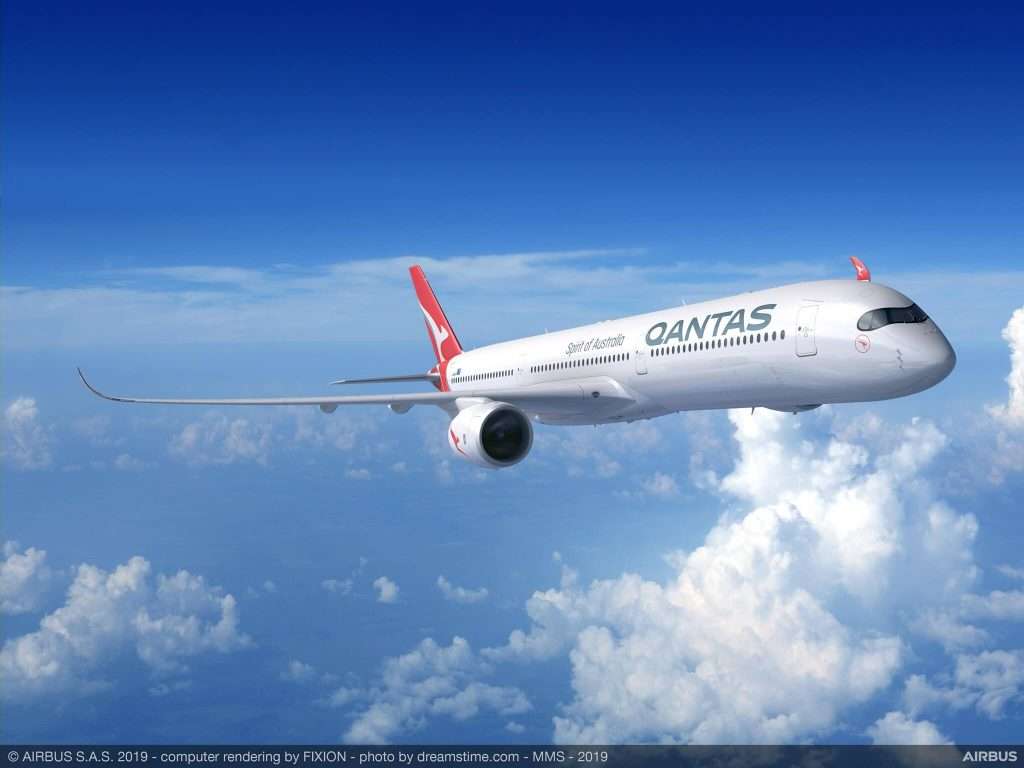
This order has provided a clear timeline for the phased retirement of the superjumbo, with Qantas gradually reducing its reliance on the aircraft.
The airline has also invested in cabin refurbishments to ensure the A380 remains competitive until retirement. Still, the transition plan signals that the era of the superjumbo at Qantas is drawing to a close, but this plane will still stick around longer than some other international airlines.
A Temporary Return For Etihad
Etihad Airways initially decided to retire its A380 fleet permanently, citing the pandemic, inefficiencies with the aircraft itself and a bid to continue turnaround efforts and streamline.
However, like many other carriers, surging demand and delivery delays for new aircraft forced Etihad to reconsider its stance despite ongoing attempts to return to profitability.

The reactivation of the A380 was purely a short-term solution to bridge the gap caused by limited capacity. At first, the airline deployed the aircraft on key routes, such as Abu Dhabi to London Heathrow.
However, since the return, the aircraft has responded fantastically. Etihad Airways has progressively reactivated more units and sent the plane to additional destinations worldwide.
There is a clear place for the A380 on the network. However, Etihad Airways would still prefer to streamline and focus on twin-engine aircraft.
Other Airlines Say Goodbye
Several other airlines have also faced similar dilemmas with the Airbus A380. Korean Air and Asiana Airlines, currently undergoing a merger, are expected to retire some A380s as they consolidate their fleets.
Meanwhile, Singapore Airlines, the A380’s launch customer, has gradually retired older units, replacing them with more fuel-efficient twin-engine aircraft while retaining a small number of superjumbos for high-demand routes.
On the other hand, British Airways has committed to keeping the A380 in service for the foreseeable future, capitalising on its ability to serve capacity-constrained airports from its slot-constrained home of London Heathrow.
A Farewell Is Coming
Despite the recent resurgence of the Airbus A380, it remains clear that airlines are steadily moving toward retiring the aircraft in the coming years rather than seeing them stick around for decades, unless by the name of Emirates.

While operational challenges and supply chain disruptions have temporarily extended the superjumbo’s life, most airlines’ long-term strategy revolves around fleet modernisation and efficiency, which cannot be achieved with the A380.
The comeback can largely be perceived as a short-term response to industry-wide capacity issues rather than a revival of confidence in the aircraft. While positive results remain, they are not optimal enough to commit across the long term.

ABOUT THE AUTHOR
Daniel Fowkes is a Melbourne-based aviation analyst and journalist with over a decade of industry experience. As founder of Dj’s Aviation, he delivers trusted analysis on aircraft, airline strategy and global aviation trends for djsaviation.net
Related Articles




Stay Informed
Get the latest aviation news, analysis and route updates delivered to your inbox.
We respect your privacy. Unsubscribe at any time.
Enjoyed this story?
Make us your go-to for aviation news
Add us as a preferred source on Google and see our latest stories first in Top Stories.
Add Us On Your News Feed