
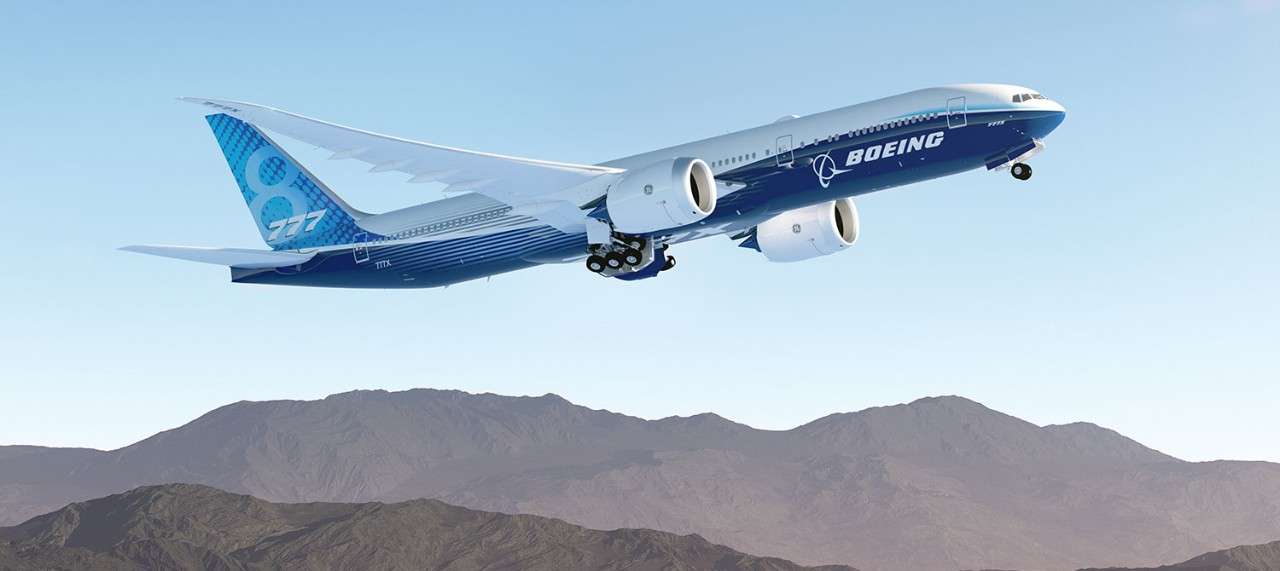
The Boeing 777X was announced in 2013. It aimed to redefine long-haul travel with enough upgrades to successfully obtain customers’ orders.
In 2024, the series, despite having attracted substantial orders, has yet to be certified, with airlines expecting a 2026 EIS at this point.
The type comes in the 777-8, 777-9, and 777-8F, a dedicated freighter. While the largest 777-9 has attracted much interest, it’s the smaller 777-8 that has struggled considerably. Is it a failure?
The Boeing 777-8s Performance
It becomes hard to fully judge the future outlook of an uncertified aircraft; however, after more than ten years, the 777-8s’ market position has seemingly gone backward.
In comparison to the 777-9s order tally standing in the hundreds, the 777-8 can barely account for a couple of dozen and has rather seen cancellations than new orders.
Based on customer feedback, the 777X series’ standout aircraft is the 777-9, which has the required capabilities. However, the 777-8 ‘s offerings are less compelling.
An Unfavoured Variant?
Why could the 777-8 be perceived as less favourable? Well, the 777-8 sits in a bit of a grey area. With the development of the A350 in the form of the -1000 and even enhancements across the 787 series, the 777-8s’ standout features—range at the cost of capacity—leave them in a position that doesn’t give customers the trade-off they may be after.
The 777-8, at times, is compared to the 777-200LR. This aircraft type, while highly important for specific customers, was not a variant in the 777 families that, say, accumulated higher than expected orders.
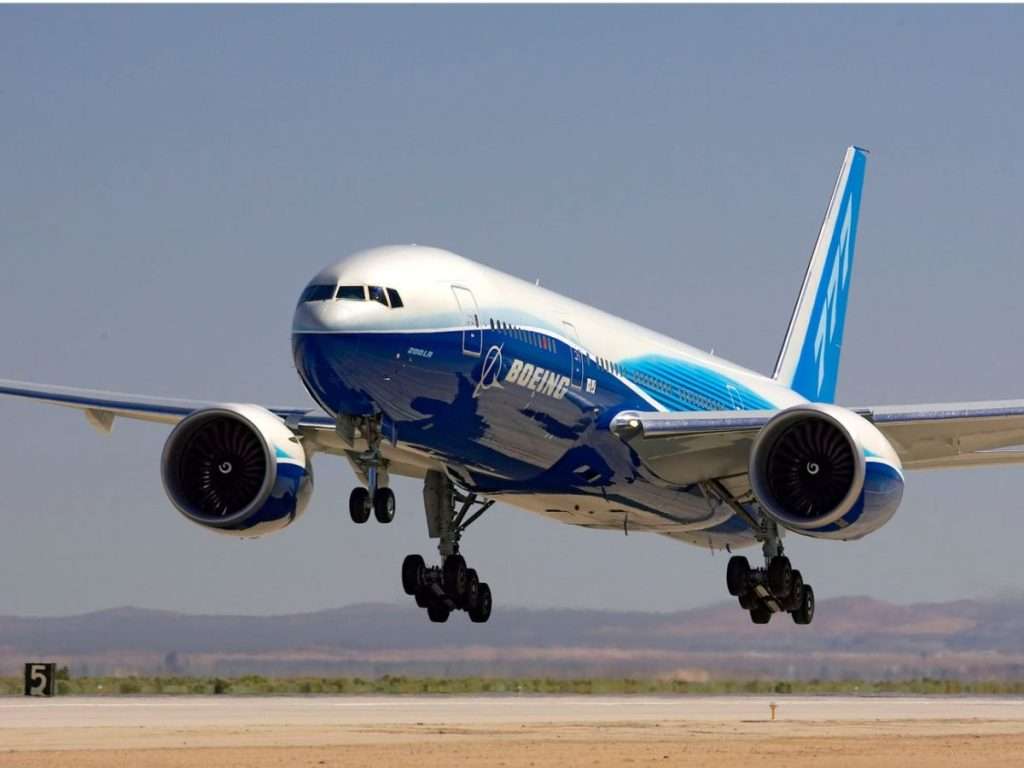
Furthermore, the 777-8 has yet to be produced, with all focus resting on the 777-9, which already has certification difficulties. As a result, the timeframe for eventual EIS for the smallest member of the series remains entirely unclear.
While such factors could be perceived as natural for an aircraft in its infant stages, the 777-8 lacks any form of substantial interest.
The assumption is that if this variant of the 777X is required, it’ll be the 777-9, and if not, better alternatives on the market would be cheaper and likely have more optimal specs.
The Idea Of Replacement
While most new aircraft will emerge to carve out new markets or push the boundaries of what was previously possible, maybe evident through the enhancements of single-aisle jets such as the A321neo, the planes released rarely redefine travel.
As a result, renewal focuses heavily on the current circle of life for a family of aircraft. The principle is that an aircraft is released, has its time, and a replacement enters.
Most consider the 777-8 as a just-there variant. While the 777-9 has been touted to replace high-capacity travel such as the 747 for airlines like British Airways, the 777-8 hasn’t had that same dialogue.
While it has range capabilities, airlines that desire this have made do with other alternatives already in the air, say in the 787-9 or even the A350ULR, soon to be A350-1000ULR.
Qantas, maybe one of the genuine only customers interested in the 777-8, didn’t pick the aircraft for a host of reasons, but not in the 777-8’s favour has been its uncertified nature and lack of clarity around the release.
The Australian flag-carrier would go onto select the A350 series for its flagship Project Sunrise flights, dealing a blow to the 777-8 and reaffirming the stance of many.
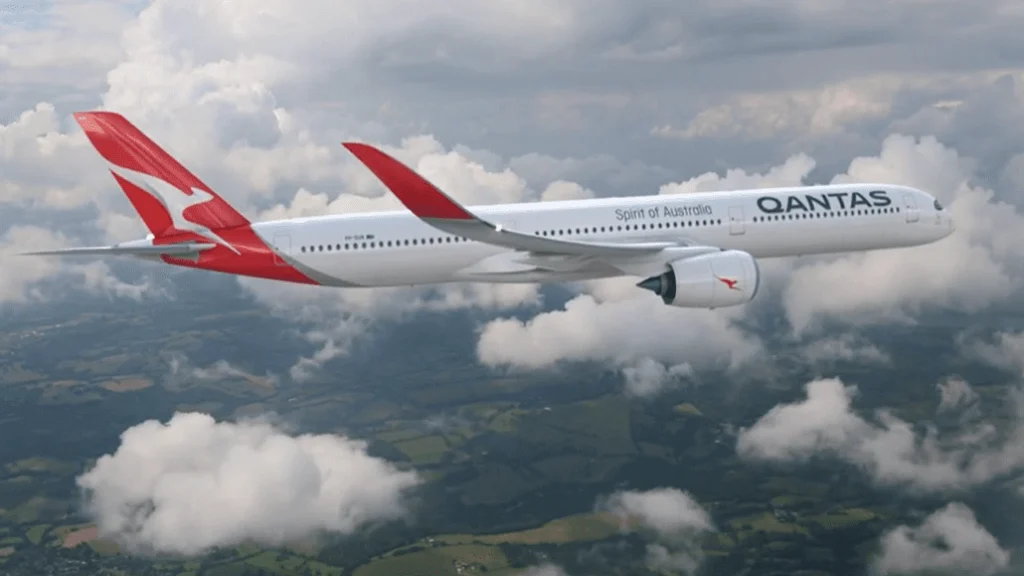
Competitor aircraft such as the Airbus A350 family and, even on a smaller scale, the 787 present greater opportunities for a more short—to medium-term solution, and as such, the 777-8 has faded away from the light.
More Discussion On The 777-8
Factors such as the potential retraining of pilots, fleet commonality, costs, actual uses for the aircraft, and more are all worth considering.
The 777X is a fantastic plane, but for most airlines, the 777-8 hasn’t stood out enough for a commitment to be made, and it is often overlooked.
Does this make it a failure already or just a plane not optimal for most, or by thinking that, does it tie in with being a failure?
Time will tell; the aircraft has many years before it can even enter service. As a result, the 777-9, once flying, may very well get airlines to begin looking at the 777-8, but equally, it could remain a niche-based variant similar to the A330-800.

ABOUT THE AUTHOR
Daniel Fowkes is a Melbourne-based aviation analyst and journalist with over a decade of industry experience. As founder of Dj’s Aviation, he delivers trusted analysis on aircraft, airline strategy and global aviation trends for djsaviation.net
Leave a Reply
Related Articles




Stay Informed
Get the latest aviation news, analysis and route updates delivered to your inbox.
We respect your privacy. Unsubscribe at any time.
Enjoyed this story?
Make us your go-to for aviation news
Add us as a preferred source on Google and see our latest stories first in Top Stories.
Add Us On Your News Feed
Yes its a pity the 777-8 has garnered little interest, as it seems a great idea – 350 seats and longest range of any airliner. But it seems that the a350-1000 has shown to be adequate and available.
Probably a waste of time for boeing to produce it at this time.
Imo the 777-8 is slightly smaller than the 777-3er. My thoughts are maybe when AA and or UA start looking to retire there 777-3ers the B777-8 will work just fine.