

Japan Airlines has published an update on its business performance, with the underlying focus on the overall fall of net profit by almost 20% in the first six months ending September.
The group has faced many external factors that have impacted its ability to operate, including a pretty hefty run of typhoons. However, internally, the carrier cited investments that also didn’t pan out as intended.
Some of the core results outlined in the airline’s release showed that revenue increased by 9.9 per cent year over year to JPY 901.8 billion, with operating expenses also increasing, at least for the second quarter.
Japan Airlines cites higher fuel costs as a main attribute to increasing costs, alongside the weakness of the Japanese yen, which can also be linked.
While JAL has its own circumstances, many airlines worldwide have been experiencing increased operating expenses. This has stemmed, in some instances, from rectifying contracts with employee groups, among other things.
Second-quarter profits increased across all aspects of the business, whether focusing on full-service operators such as the mainline Japan Airlines or the many low-cost units and other airlines that make up the broader group. Other elements of focus were Mileage and Commerce.
International passenger revenue also increased by 8.3% year over year. Japan Airlines says this maintained a high unit price level due to incredibly strong inbound demand and the continued recovery of outbound business demand from Japan.
Being a tourism hotspot in the last few years and significantly since restrictions eased these results concerning demand is hardly a shock. Domestic passenger revenue also increased 2% from one year prior.
However, there were some downsides, such as overall leisure demand domestically, which Japan Airlines says didn’t necessarily grow at the expected rates. To combat this, JAL is confident through the implementation of promotional campaigns, things will stabilise moving into future quarters.
What About Japan Airlines Cargo?
Cargo was another emphasis on the results. International freight efforts advanced further, emphasising capturing high-value cargo such as pharmaceuticals for transport to China, broader Asia, and even the United States.
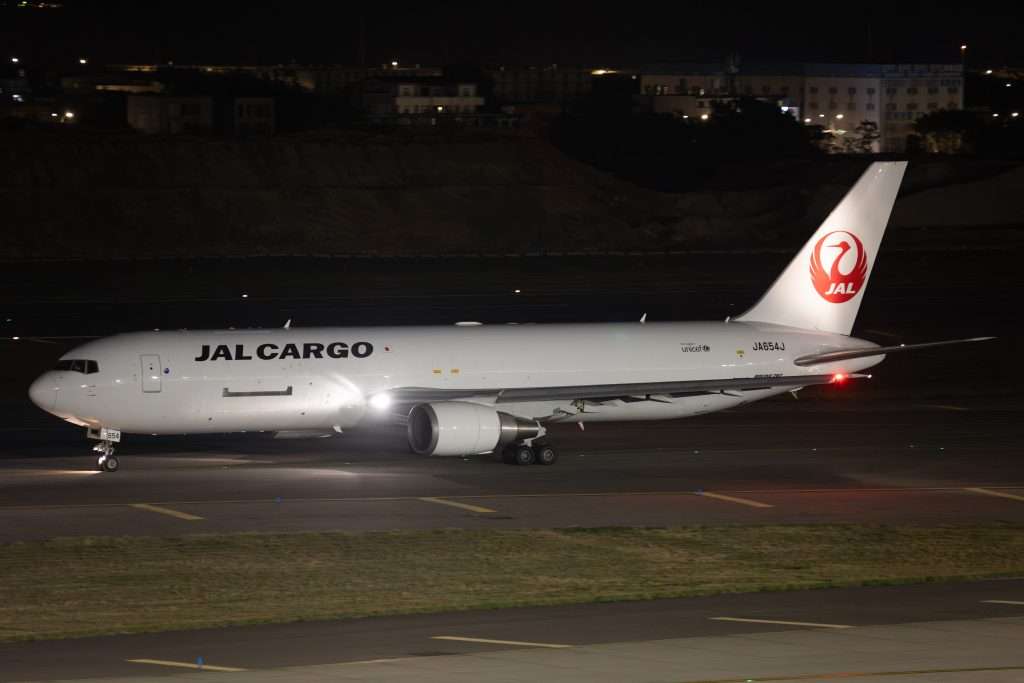
Domestic cargo was also important, given the overall collaborative efforts with Yamato Holdings, which began at Haneda Airport only in August and saw some 13 flights per day.
Thanks to endeavours such as these, JAL saw higher revenue compared to previous years, with international cargo revenue increasing some 20% and domestic revenue growing almost 40%.

ABOUT THE AUTHOR
Daniel Fowkes is a Melbourne-based aviation analyst and journalist with over a decade of industry experience. As founder of Dj’s Aviation, he delivers trusted analysis on aircraft, airline strategy and global aviation trends for djsaviation.net
Related Articles




Stay Informed
Get the latest aviation news, analysis and route updates delivered to your inbox.
We respect your privacy. Unsubscribe at any time.
Enjoyed this story?
Make us your go-to for aviation news
Add us as a preferred source on Google and see our latest stories first in Top Stories.
Add Us On Your News FeedRelated articles
· Airlines
Allegiant Air Buys Six More 737-8s From Boeing
Daniel Fowkes
26/10/2026
· Airlines
Emirates vs Qatar Airways: The Gulf Superhub Rivalry Compared
Bryan Shelmon
26/10/2026
· Airlines
Riyadh Air Is Moving Away From Riyadh
Daniel Fowkes
26/10/2026
· Airlines
Emirates Isn’t Worried At All
Daniel Fowkes
25/10/2026