
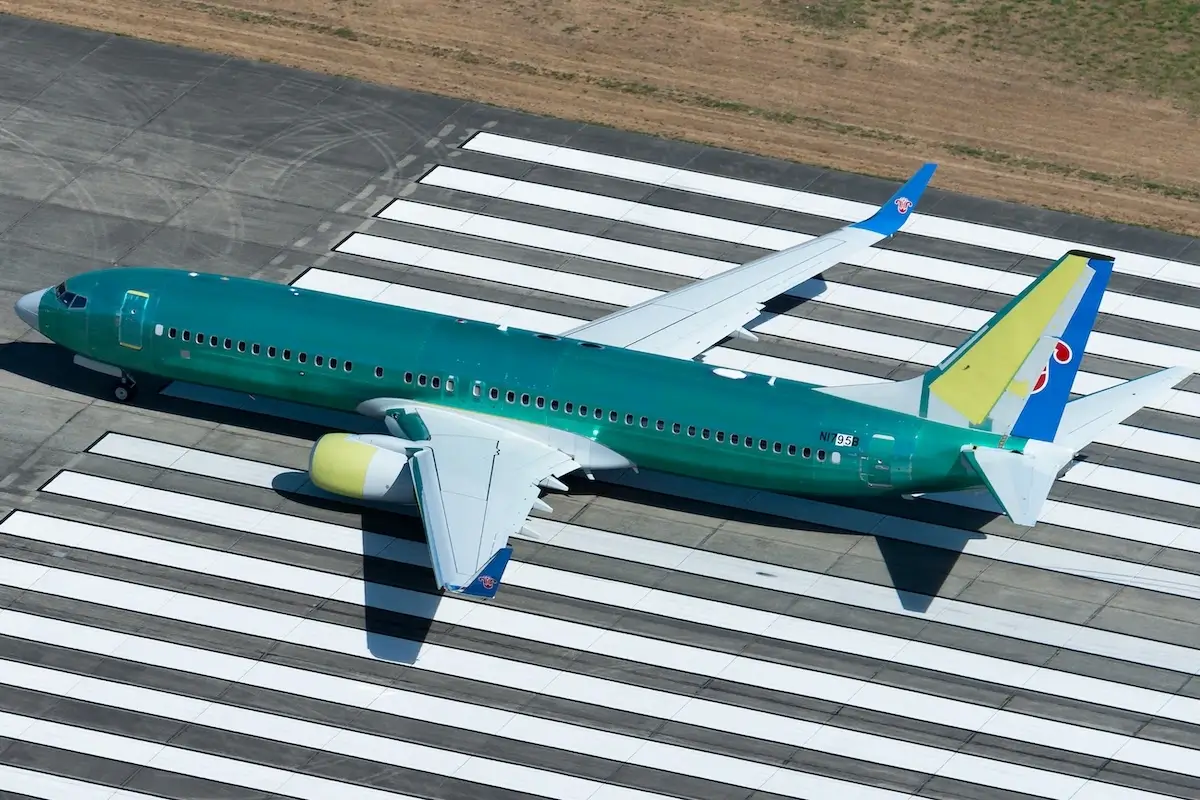
Boeing is attempting to understand a clearer picture of how it would approach 737 MAX production increases.
Now, under the guidance of the Federal Aviation Administration (FAA), the governing regulator will be exploring key scenario-based planning exercises with the planemaker.
These exercises are crucial for better understanding the possible ramifications that could result from an increase in production rates on the 737 MAX, which have been capped for some time.
When, and to reiterate, Boeing increases production rates beyond the current 38 per month cap, there must be assurances that the company can carefully and safely increase production, ensuring that safety and quality remain at the forefront of its focus.
The FAA, when speaking with Reuters, stated that at this stage, Boeing has not formally requested a production rate increase, nor has there been an agreement on their end to proceed.
However, with that being said, there’s also the understanding that, at some point, there must be an increase in production rates as Boeing works through its backlog and ramps up its monthly rate to a more acceptable level, which will also benefit its financial position.

With that in mind, the FAA has agreed with Boeing to develop a process that would allow for the consideration of a rate increase at some point, along with a roadmap and an essential next step to determine how that will occur.
This process from the FAA also follows the planemaker’s CEO, Kelly Ortbeg, who has indicated in recent months his desire to increase production incrementally over time, aiming to raise rates to a more suitable level with an ever-increasing backlog and two uncertified jets as well.
Boeing has, according to most, made quite a fair bit of progress in the turnaround of its quality and safety on the production floor, but rushing the turnaround is precisely why the FAA has been hesitant to jump the gun and wants to take the extra step, even if it is frustrating for all parties.
Why Was 737 MAX Production Capped?
But why has Boeing been forced to limit its production rates? Much of it has been driven by the door blowout incident, which occurred at the beginning of 2024.
Following the incident, further inspections revealed production concerns with the 737 MAX, including persistent quality issues that necessitated the grounding of aircraft and prompted a thorough review of practices.
However, for Boeing, this came at the worst possible time, during a period when it was supposed to be moving firmly ahead with its recovery, but seemingly not at the required intensity.
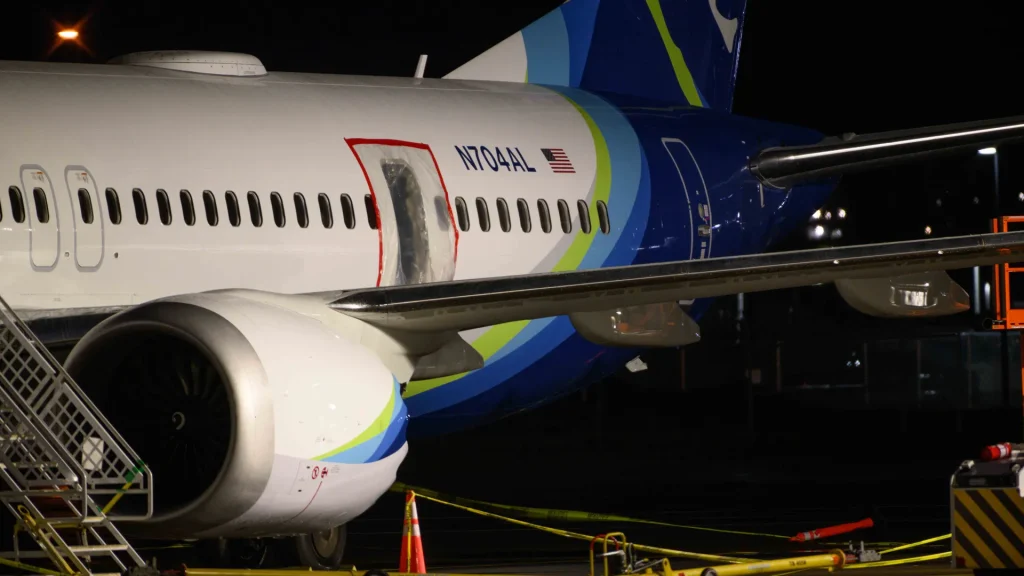
Given the planemaker’s history of quality slips, especially over the last six years, the FAA swung the axe quite heavily and placed an increased focus on the business, which would limit production.
The FAA held firm, not willing to lift the cap imposed until it had substantial evidence that the corner had been turned. It has now been over 18 months since those caps were imposed, and while Boeing has reached the cap limit and rebuilt core areas of the business, an increase has yet to be permitted.

ABOUT THE AUTHOR
Daniel Fowkes is a Melbourne-based aviation analyst and journalist with over a decade of industry experience. As founder of Dj’s Aviation, he delivers trusted analysis on aircraft, airline strategy and global aviation trends for djsaviation.net
Related Articles




Stay Informed
Get the latest aviation news, analysis and route updates delivered to your inbox.
We respect your privacy. Unsubscribe at any time.
Enjoyed this story?
Make us your go-to for aviation news
Add us as a preferred source on Google and see our latest stories first in Top Stories.
Add Us On Your News Feed