
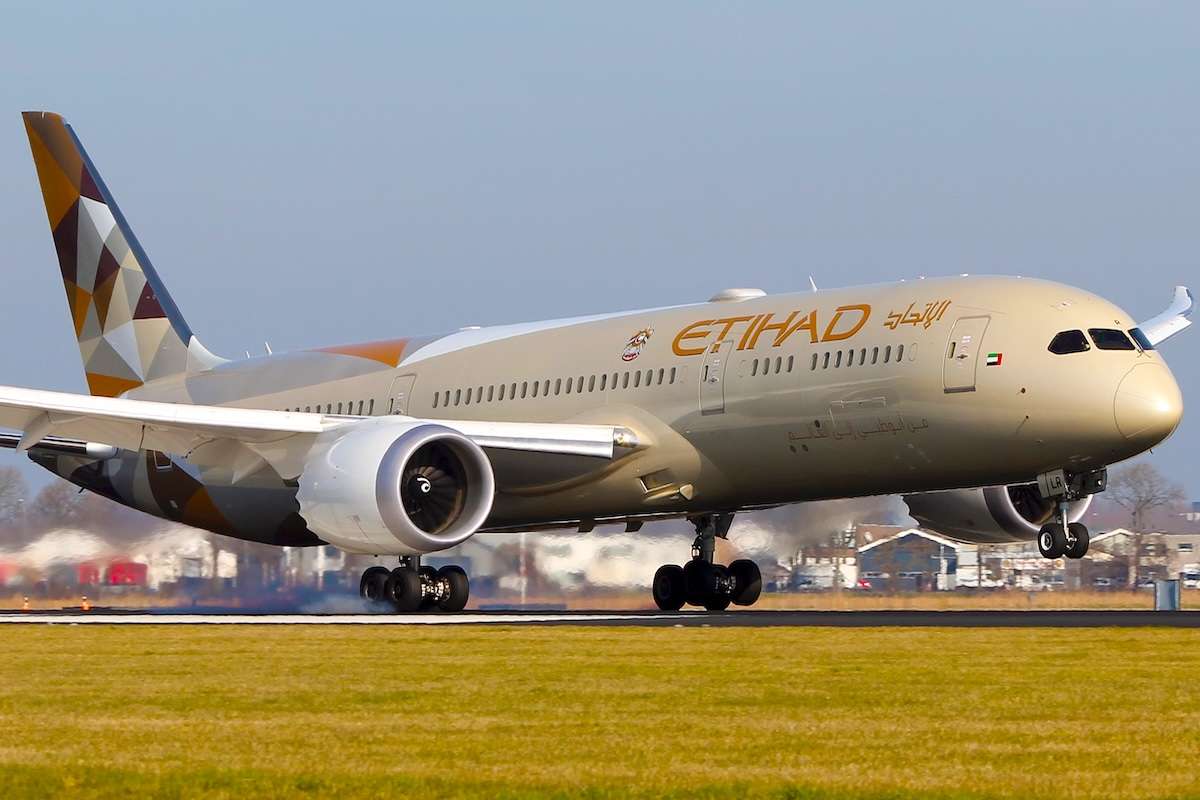
Etihad Airways is making further aircraft changes, with its Boeing 777-300ER being replaced by the more efficient Boeing 787-9 on a key international route.
The Abu Dhabi-based carrier is making the change for the upcoming Northern Winter 2026/27 schedule, with capacity fine-tuning across its Abu Dhabi-to-Dhaka service.
From 25 October 2026, the four flights a week will be operated by the Dreamliner instead of the larger 777 that has been in service over the summer season.
Details On The Etihad Airways Changes
Under the latest schedule, as flagged by aeroroutes.com, Etihad Airways will operate EY382 from Abu Dhabi, departing at 1400 and arriving in Dhaka at 2020 local time. The return leg, EY383, departs Dhaka at 2145 and arrives in Abu Dhabi the following morning at 0110.
This pattern of flying is repeated four times a week, and the changes mean that high demand is met with a 777 in the summer, but during the slower winter period, a switch to the 787-9 is made, with the Dreamliner typically offering fewer seats.
The smaller aircraft is, however, made up for by its newer feel, lower fuel burn, and improved performance, with a state-of-the-art cabin that offers all the features passengers need for a better experience. With a quieter cabin, larger windows and higher humidity settings, it’s a step up from the 777.
Why These Types Of Changes Happen
It isn’t uncommon for airlines to make capacity shifts to international or even domestic markets throughout the year. If not forced because of aircraft issues, they are typically aligned with capacity management plans.
Demand on many routes can fluctuate throughout the year, and if it’s not year-round service, that cannot be sustained. It’s the decision by airlines to scale back flying during slower periods or, in some cases, to switch aircraft, such as the 787 for the 777, during certain months.
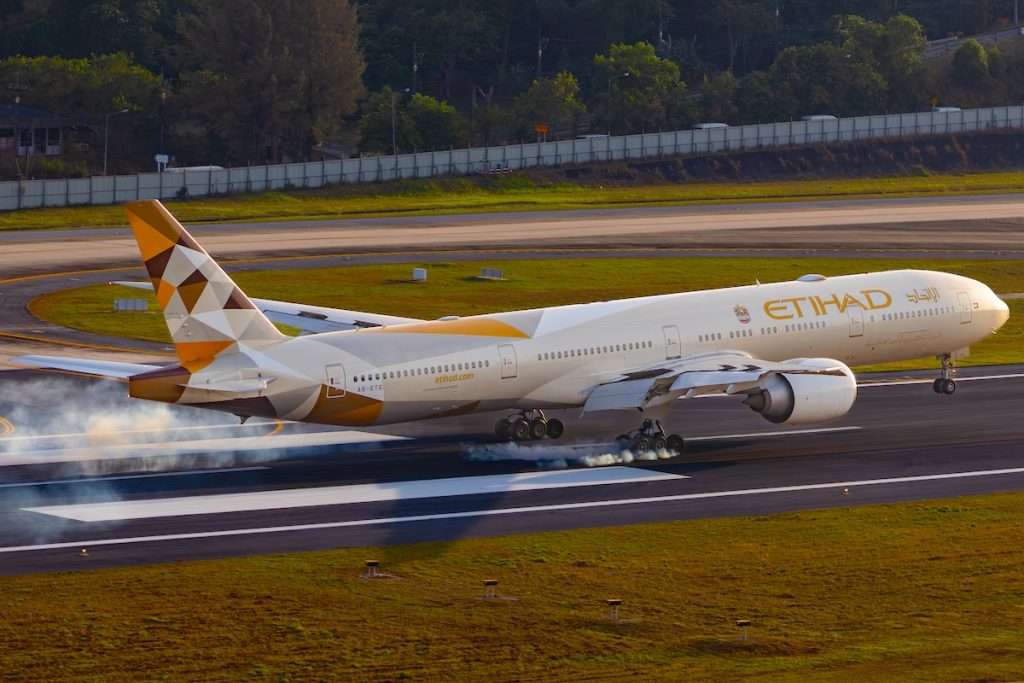
These types of changes aim to manage demand during periods of spiking demand best. In this case, the 777 can be deployed for its high capacity, and when demand cools, the newer Dreamliner comes into play.
A shift in deployment also frees up the 777 for service to other cities that, during the low points of flying to somewhere such as Dhaka, require more seats because their traffic is different.
Operationally, the 787 also helps reduce costs thanks to its improved metrics compared to the 777. As a consequence, the lower fuel burn and seat costs mean redeploying the 777-300ER, and the loss of seats isn’t too damaging for the airline with stronger rewards.
The swaps occur continuously and are not limited to Dhaka; they can be for many reasons, even when not strictly in response to demand, such as the need to perform maintenance on planes or make other shifts.

ABOUT THE AUTHOR
Daniel Fowkes is a Melbourne-based aviation analyst and journalist with over a decade of industry experience. As founder of Dj’s Aviation, he delivers trusted analysis on aircraft, airline strategy and global aviation trends for djsaviation.net
Related Articles




Stay Informed
Get the latest aviation news, analysis and route updates delivered to your inbox.
We respect your privacy. Unsubscribe at any time.
Enjoyed this story?
Make us your go-to for aviation news
Add us as a preferred source on Google and see our latest stories first in Top Stories.
Add Us On Your News Feed