

Emirates has confirmed in its FY25/26 annual results that it has exercised purchase options for 29 Airbus A380s and 5 Boeing 777s at the end of their leases, adding 34 widebodies to its owned fleet.
The move is worth over $1 billion and, for the business, is part of a deep-rooted strategy to gain better control over its aircraft portfolio as it moves into the 2030s, especially with older aircraft, as it awaits next-generation arrivals such as the 777X.
Why Emirates Buys Its Aircraft
Not all aircraft delivered to Emirates are owned outright; many of its existing aircraft, especially older ones, have been acquired through comprehensive, long-term lease agreements, many of which are now coming to an end.
For Emirates, buying its jets at the end, or just before, their lease terms gives it full control of its aircraft. This avoids the risk of rental hikes and other complications that come with not owning the aircraft and is important for the future of fleet types such as the Airbus A380.
Ownership of aircraft means that ongoing cabin upgrades can occur with greater control over timing and room to configure the jets, while developing the parts inventory for a self-sustaining MRO, cutting costs that would apply in scenarios where aircraft are leased.
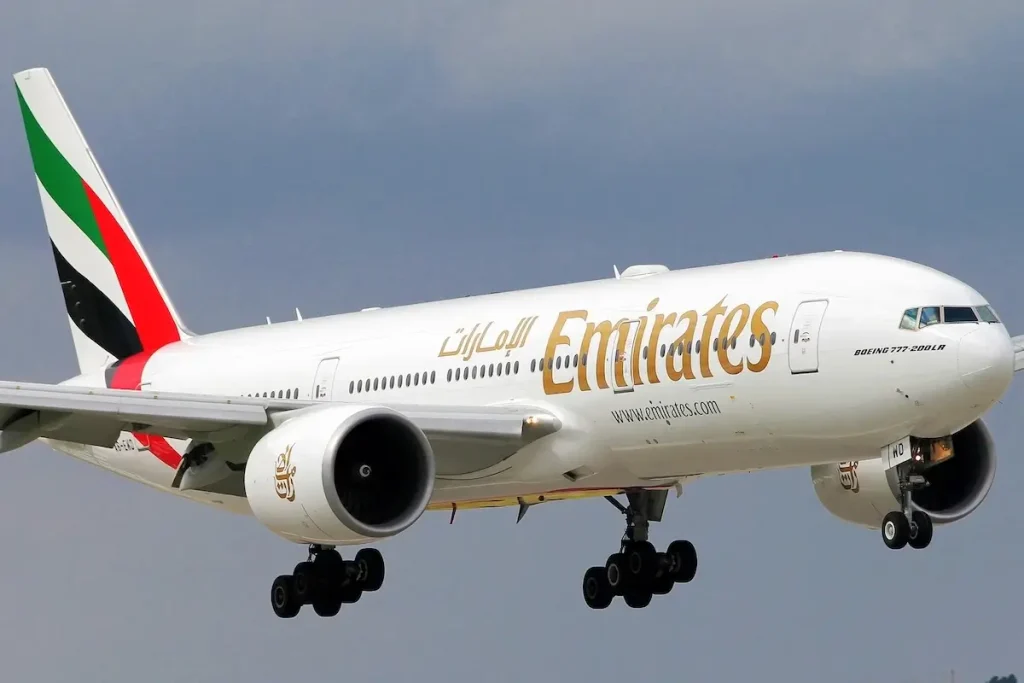
Purchasing aircraft at the end of their lease terms is nothing new for the Dubai-based carrier; it has done so in the past, and patterns dating back to the previous decade include planes that are now long retired. Its focus is more than ever resting on the A380 and 777.
More Flexibility and Savings Moving Forward
With Emirates aiming to keep its Airbus A380 fleet flying into the 2040s, likely the last operator of the world’s largest passenger plane, buying out the fleet gives it the flexibility and cost savings associated with removing lease terms and controlling ongoing maintenance.
As fleets grow older, they require, more often than not, higher levels of care, like anything else, and by owning these jets outright, Emirates can ensure it maximises their lifespan. Ultimately, a shift from its long-established strategy of keeping the fleet youthful by scrapping older planes was made due to supply chain issues that delayed the delivery of new planes.
The ownership further means that, in volatile times, Emirates has the comfort and knowledge that it controls its assets, and if something pivots and it needs to remove the jets, it’s well positioned to make that decision by owning the aircraft.
For customers, it shows how committed the airline is to these aircraft, to maintaining a grip on its fleet even at the end of their lease terms, and how it makes strategic decisions with the long-term future of operations in mind, to create the best passenger experience and, for itself, the most efficient operations.

ABOUT THE AUTHOR
Daniel Fowkes is a Melbourne-based aviation analyst and journalist with over a decade of industry experience. As founder of Dj’s Aviation, he delivers trusted analysis on aircraft, airline strategy and global aviation trends for djsaviation.net
Related Articles




Stay Informed
Get the latest aviation news, analysis and route updates delivered to your inbox.
We respect your privacy. Unsubscribe at any time.
Enjoyed this story?
Make us your go-to for aviation news
Add us as a preferred source on Google and see our latest stories first in Top Stories.
Add Us On Your News Feed