

The 777-10 was studied to enhance Boeing’s already announced 777-9, which would help it compete with the A350-1000 and replace the 747.
The 747, known as the “Queen of the Skies,” was pivotal in redefining air travel. Development for this plane began over half a century ago.
Since its launch, the 747 has also seen several variants. However, as airlines gravitate toward more fuel-efficient and versatile planes, the once-dominant 747 is becoming less prevalent.
In a world where airlines are saying farewell to the 747s, question marks over a replacement are ever so present. This was magnified further by Boeing’s decision not to re-engine the 747 after its -8 model failed commercially.
Following the close of 747 production and the development of the upcoming 777X long-haul jet, could the prospective 777-10 that was once studied be the long-awaited answer to replacing the queen?
Introducing The Boeing 777-10
The idea of a Boeing 777-10 emerged many years ago as a prospective variant that would directly respond to the launch of the 777X and the desire for high-capacity aircraft.
Furthermore, such a prospective variant would’ve addressed the ever-emerging and reliable A350-1000, which is broadly considered a competitor to the 777X series offered by Boeing.
Building upon the 777-9, the 777-10 would add capacity by stretching the fuselage to accommodate an estimated 450 passengers. This final figure, however, would depend on the airline’s configuration.
Thanks to this sheer capacity, a prospective stretched variant would fill a gap left by the outgoing 747 at the time, which in the mid-2010s was struggling to attract any formal interest with the freighter programme leading the way.
Boeing has not officially committed to developing the 777-10. However, one of the most important responses to such a variant came in 2016 at the Farnborough Airshow when Boeing confirmed that a 777-10 would be technically feasible.
At the time, the CEO said such a variant would be very easy to implement. If an airline came forward wanting more capacity, Boeing said it could proceed.
Boeing’s Certification Problems With 777X
Despite the relative ease with which a 777-10 development was announced in 2016, the planemaker ultimately found itself in a very different position.
During this period, Boeing hadn’t seen both MAX jets go on to crash, many internal issues hadn’t yet come to light, production issues hadn’t emerged, and there were no fractures in the culture yet. However, for a prospective 777-10, the major 777X delays ensuing were also a blow.
The issues above complicated Boeing’s ability to deliver a 777-9, would eventually take over the planemaker. The flagship variant, the 777- 9, has faced repeated delays, with certification now expected no earlier than 2025.
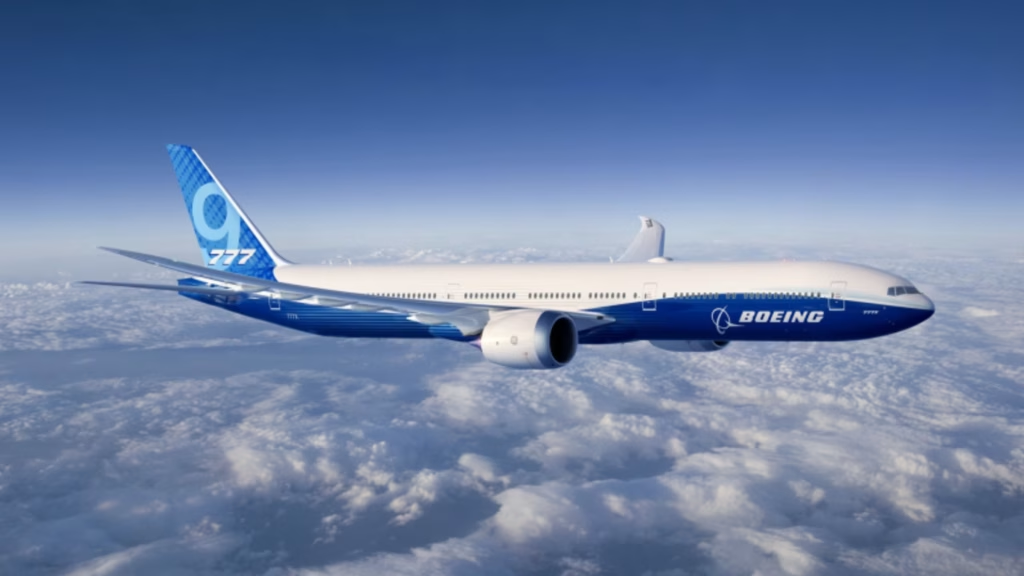
These setbacks have been on Boeing, as well as the heightened scrutiny from regulators following the 737 MAX crisis and technical challenges. Regulators want to ensure that the aircraft being built is safe, which takes time.
The drawn-out certification process has delayed the entry into service, drained Boeing’s resources, and tarnished its reputation, while airline customers have expressed their own very public frustrations.
Adding a new variant like the 777-10 would, at this point, come at the worst possible time and drain the depleted resources even further. Such a stretch would also require additional certification efforts, which would come when the 777-9 cannot get approved.
For Boeing, times are very different, and launching new programmes isn’t part of the short-term vision. If it isn’t the certification troubles, it’s the newly appointed CEO, Kelly Ortbeg, stating that finances were so strained that a new plane wouldn’t be possible.
Who Would Order The 777-10?
While feasibility is fantastic, the market dynamics for a 777-10 must also be considered, especially when responding to what made the 747 successful in its heyday.
Those dynamics have shifted dramatically. Airlines today prioritize flexibility, lower operating costs, and environmental efficiency. The demand for ultra-large aircraft like the 777-10 is limited, as evidenced by the 747’s decline and the struggles of the Airbus A380.
Even the 777-9 is considered large for most routes and has struggled to secure widespread orders. While this was to be expected, it’s an important factor to consider when analysing the pros and cons of a stretch.
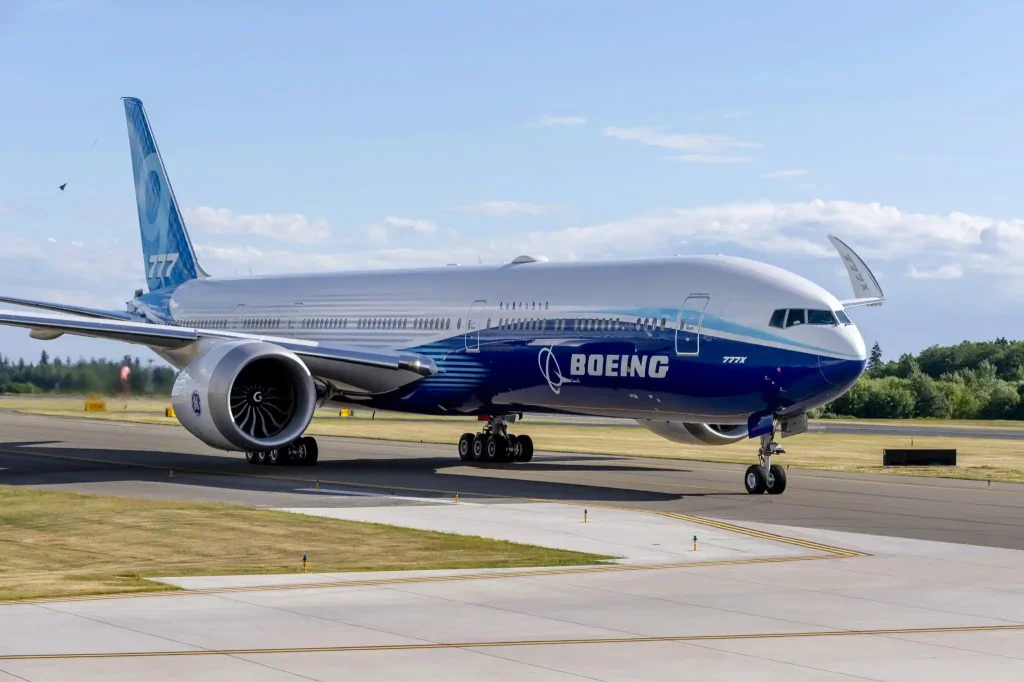
Many airlines have already adjusted their fleets to reflect the realities of modern air travel. Twin-aisle aircraft like the Boeing 787 and Airbus A350, which offer long-range and moderate capacity, have become the go-to choices for most carriers.
The 777-10, if proceeded with, would’ve filled a niche. By immediately being in a niche, it would’ve also seen a likely tiny customer base with just a handful of operators committing to the plane.
While the 777-10 in 2016 may have been considered a pretty easy plane to make a reality if required, justifying the development costs is another question.
A Complicated Aircraft Launch
Developing the 777-10 would also be a resource-intensive undertaking for Boeing, especially if attempting to replace the 747.
Had Boeing wanted to proceed with such a stretch to replace the Queen of the skies, it would’ve needed to commit to this plane sooner rather than later.
However, worse still, had the planemaker proceeded with it in 2016, and all that would have, the fate of the stretch would’ve been up in the air, and a certification likely wouldn’t have come until the 2030s, long after many airlines would’ve retired their 747s.
Given Boeing’s challenges, from finances to production and its employee base, a 777-10, while on paper a worthy upgrade to the 747 and, therefore, replacement, wouldn’t have made much sense logistically.
Furthermore, in the mid-2020s, Boeing was in no position to develop a new passenger variant for an aircraft type, which also it cannot get certified. The 777-8F is about as far as the manufacturer is willing to go, and this was to address the freight market, not passengers.
Airlines Say Goodbye To The 747
The idea of a Boeing 777-10 replacing the 747 is intriguing, but it is not without significant hurdles that have prevented the 777X Stretch from becoming a reality sooner.
Ultimately, the decline of the 747 does reflect a broader shift in industry trends, which see airlines prioritise smaller, more efficient aircraft with greater flexibility.
While the 777X is expected to play a pivotal role in the long-term future of many airline fleets, it is about as large as airlines and even manufacturers are willing to go.
Some airlines that have retired the 747 have looked to the 777X program as a replacement, British Airways and Lufthansa being two of the many. However, this has been for the 777-9.
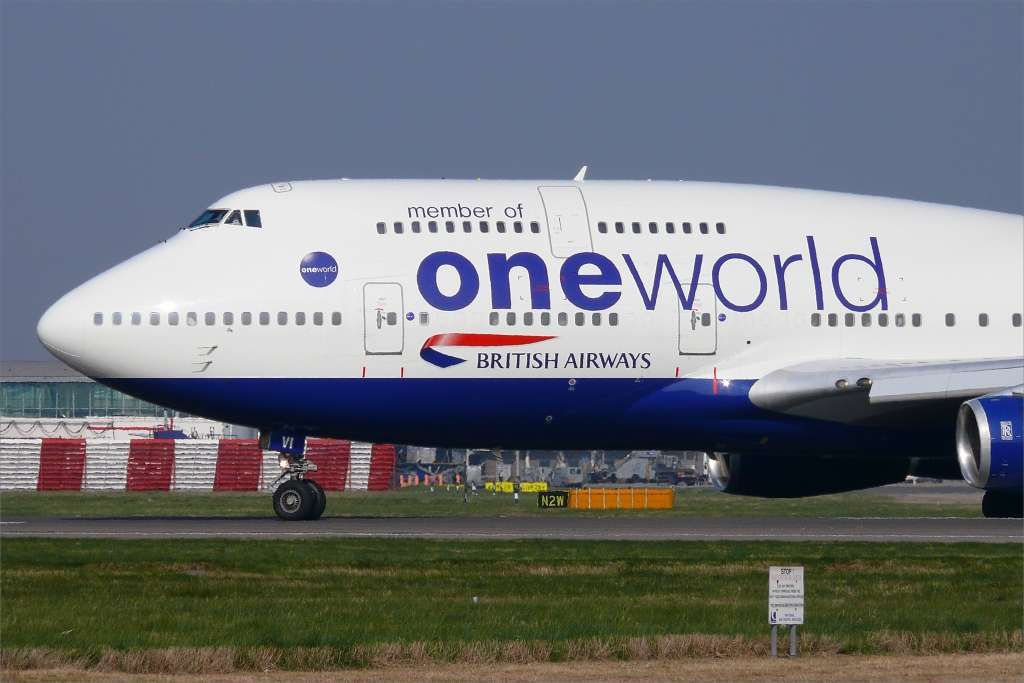
The 777-10 did achieve technical feasibility and was quoted as a relatively easy adjustment; however, now in the mid-2020s, this makes little to no sense given the planemaker’s bigger problems.

ABOUT THE AUTHOR
Daniel Fowkes is a Melbourne-based aviation analyst and journalist with over a decade of industry experience. As founder of Dj’s Aviation, he delivers trusted analysis on aircraft, airline strategy and global aviation trends for djsaviation.net
Leave a Reply
Related Articles




Stay Informed
Get the latest aviation news, analysis and route updates delivered to your inbox.
We respect your privacy. Unsubscribe at any time.
Enjoyed this story?
Make us your go-to for aviation news
Add us as a preferred source on Google and see our latest stories first in Top Stories.
Add Us On Your News Feed
It would probably be a success if the following occurred. Boeing gets their delivery schedule and act together. If they also, somehow, make it a front loading aircraft.