
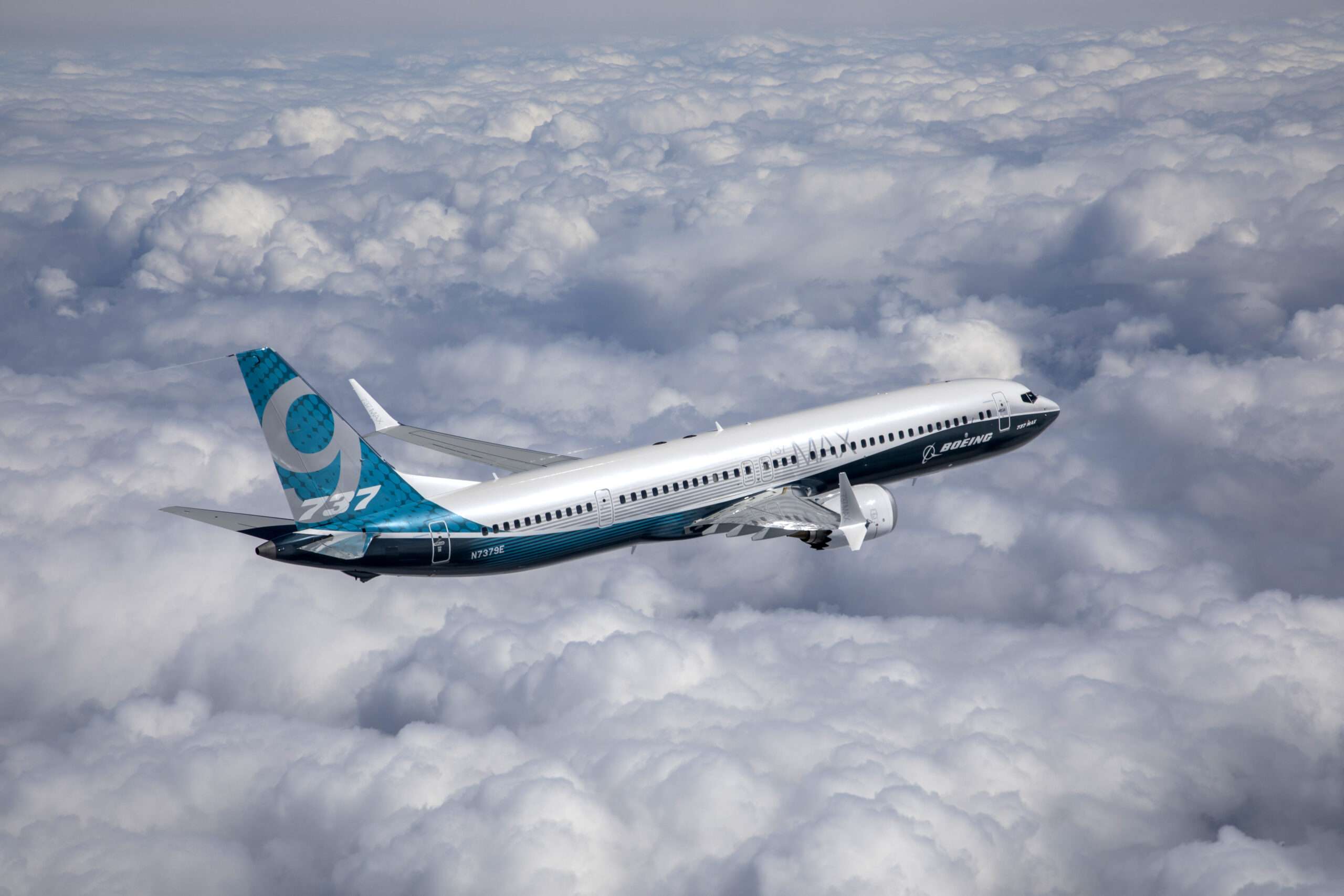
Following an important meeting between the FAA and the manufacturer, Boeing’s bid to increase production of its 737 MAX will not be possible in the short term.
Boeing was imposed with a 90-day period to submit a thorough turnaround plan to address some of the key concerns outlined in the investigations. As part of that, significant focus was placed on the culture, safety, and what has been taking place on the production floor.
As a result of the investigations, the FAA barred Boeing from increasing production on its MAX. The regulator firmly believed that any potential increase would damage the manufacturer’s ability to do better.
While the production restrictions dealt a blow to Boeing and especially customers, the manufacturer has struggled to reach the maximum output allowed. Struggles on the floor come following an increased oversight from regulators and more.
This enhanced oversight is expected to continue for the coming months, with persistent exchanges slated between the pair. This continued oversight means Boeing cannot increase production rates on its 737 MAX.
Mike Whitaker, the Administrator of the FAA, has said that discussions around a production increase have not happened. Comments such as these indicate that the pair are nowhere near the turnaround stage where an increase can happen.
The FAA’s priority is to ensure that the aircraft Boeing produces are of the highest quality. Moreover, the regulator needs to get to the bottom of the persistent issues that have been taking place and put a stop to them.
Ultimately, Boeing’s inability to raise production on the MAX, its arguably most important aircraft, is impacting its finances and other business areas. However, the production difficulties also hurt airlines.
The Airline Impact
Key airline customers have already been forced to make significant adjustments to their forecasts for the next few years regarding deliveries of MAX jets.
These airlines are aware of the ongoing delays and are sometimes forced to adjust their operating schedule. These schedule adjustments are seen as a last resort and are put in place to ensure stability can be felt across the broader network.
Furthermore, these airlines are also struggling to meet demand. Customers have struggled to keep up with demand levels in more cases than one as they do not have the available capacity.
While the 737 MAX delays are a catalyst, this is not the only aircraft with delays associated with many others, such as Boeing and competitor Airbus, which feel similar.
Ultimately, these airlines, such as Lufthansa, face broader effects that negatively impact their finances. Boeing, however, has stated it is in constant communication with its airline customers to find solutions to mitigate some of the losses being experienced.

ABOUT THE AUTHOR
Daniel Fowkes is a Melbourne-based aviation analyst and journalist with over a decade of industry experience. As founder of Dj’s Aviation, he delivers trusted analysis on aircraft, airline strategy and global aviation trends for djsaviation.net
Related Articles




Stay Informed
Get the latest aviation news, analysis and route updates delivered to your inbox.
We respect your privacy. Unsubscribe at any time.
Enjoyed this story?
Make us your go-to for aviation news
Add us as a preferred source on Google and see our latest stories first in Top Stories.
Add Us On Your News Feed