
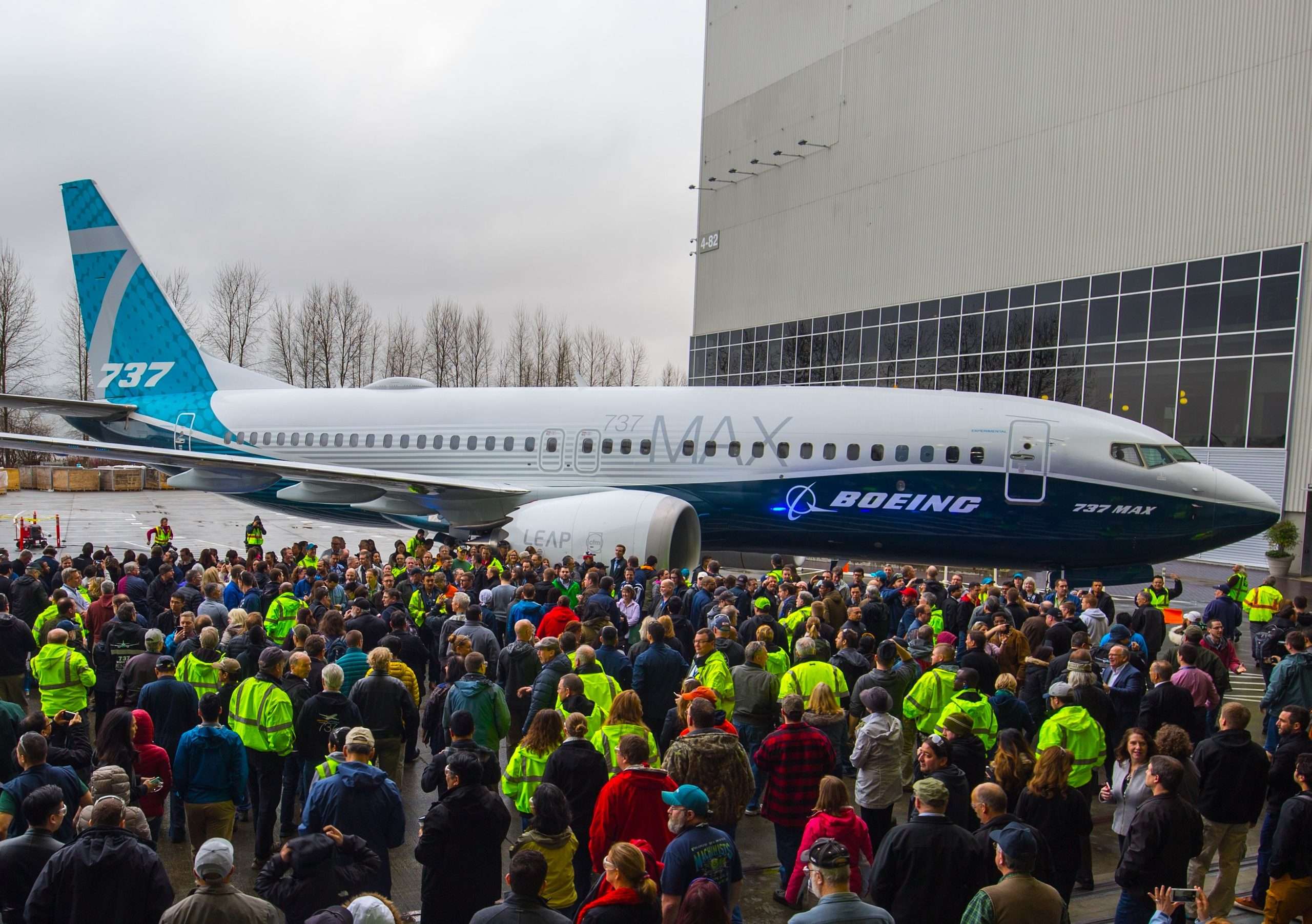
Boeing has published its latest quarterly financial results, and while performance has improved, its shares have dipped considerably after it pushed back increases in 737 MAX production rates.
As persistent Boeing manufacturing bottlenecks have been flagged and are slowing stabilisation rates alongside overall recovery, the next production rate increase is only expected to come in the second half of 2027.
Despite the Federal Aviation Administration (FAA) giving permission some time ago to scale production to as many as 47 737 MAX jets a month and then advance to 52, it has been unable to meet the 47 figure with any degree of stability.
While there are concerns about how quickly Boeing can scale production of its most popular single-aisle type, there’s also worry that the end-of-year delivery target will be out of reach as disruption hits the production floor.
Shares fell around 9% after the 27 October 2026 earnings call, as the market focused on the disruption and the cost of investments to turn the business around, rather than the year-on-year financial improvement.
47 Boeing 737 MAX jets a month still not feasible
While Boeing has pushed its planned production rate increase to the second half of 2027, production may still rise before then, as the biggest challenge is consistently delivering 47 aircraft a month.
As pressure has increased on the production floor and suppliers have struggled to meet goals, Kelly Ortberg was tasked with leading the turnaround, as the chief said he sees stability at 47 planes per month in early 2027, rather than the previously outlined summer 2026 timeframe.
The next increase, once the manufacturer can comfortably support 47 jets a month from the family, would be to scale up by five units to 52 jets a month; that doesn’t have a monthly target, but a broader second-half-of-the-year timeframe.
The FAA gave Boeing permission to scale to 47 jets a month after it slowly relaxed previous restrictions and quality assessments continued to show no lapses. The FAA was confident Boeing could handle the increased rate; it gave the green light, but that didn’t mean Boeing could immediately jump to that monthly rate.
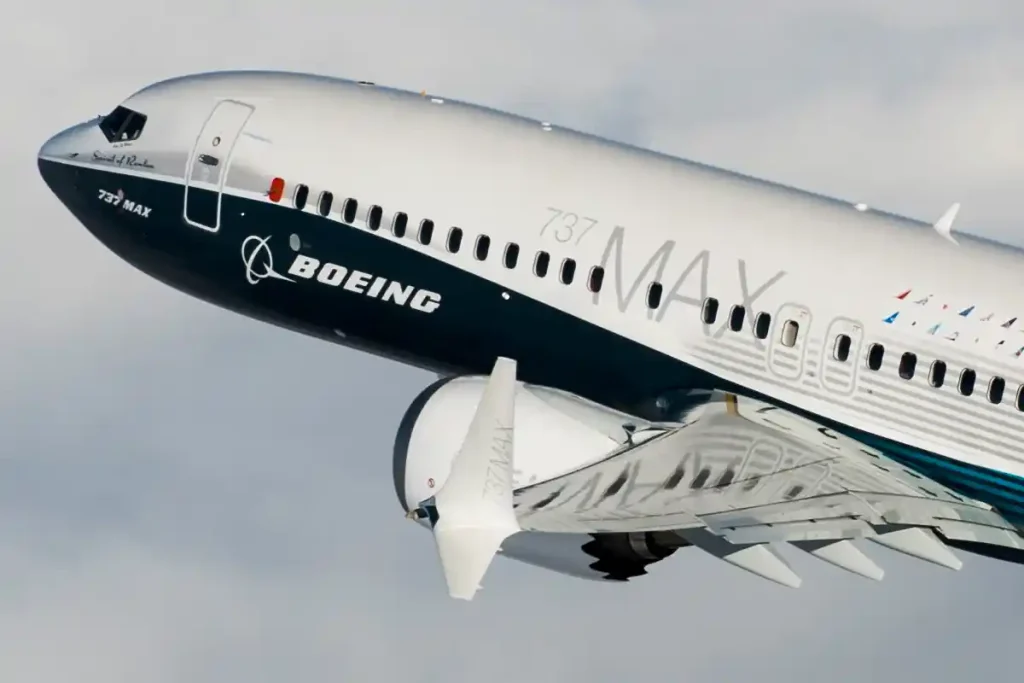
Boeing has, in 2026, averaged 41 deliveries a month on the 737 MAX, with a total of 367 jets in the first nine months; 124 of those came in the third quarter, and with customer demand strong, this isn’t the issue, but rather that supply chains and factory production are stalling.
What’s holding back the 737 MAX production increase?
In the past, the inability to increase production has largely been attributed to well-established quality concerns that Boeing was working through, but that is different now. Instead of battling quality woes, the manufacturer is facing ongoing wing-manufacturing frustrations.
Ortberg said the changes intended to improve production flow and the transition from 42 to 47 737 MAX jets a month haven’t yet delivered the expected gains, and that further changes and capacity in specific areas are needed to make this a reality.
Boeing hasn’t been able to demonstrate that the wing operation can reliably feed the floor at the intended monthly assembly rate, with supplier constraints. The issues show that for manufacturers, it’s one thing to have demand to increase production, and another to have supplier and facility support to make it possible.
If Boeing then wants not just to see stability at 47 jets a month but then hit 52 aircraft, it also needs to resolve these bottlenecks and fundamentally see its additional Everett assembly line certified and producing consistently, with the teams here ready for what will be a higher workload; that’s not to forget the Wichita fuselage output pace too.
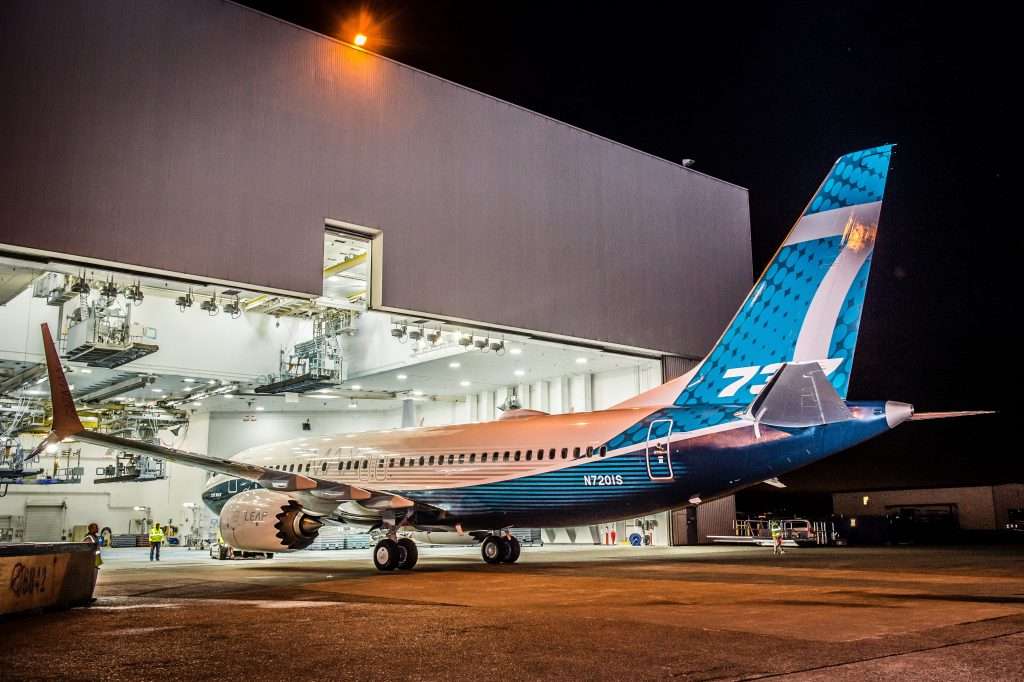
Improvement therefore needs to come through the supply chain and production facilities, as improvements are continuously being reported, such as the 40% jump in final assembly reworks since the beginning of 2025, but this has not yet translated into the needed rise in production rate.
Boeing remaining patient and working through the challenges of rebuilding an operation from its lowest, darkest point will throw curveballs, ones the business and its chief, Ortberg, would be far happier to deal with than another quality issue that brings production to a complete halt.

ABOUT THE AUTHOR
Daniel Fowkes is a Melbourne-based aviation analyst and journalist with over a decade of industry experience. As founder of Dj’s Aviation, he delivers trusted analysis on aircraft, airline strategy and global aviation trends for djsaviation.net
Related Articles



Stay Informed
Get the latest aviation news, analysis and route updates delivered to your inbox.
We respect your privacy. Unsubscribe at any time.
Enjoyed this story?
Make us your go-to for aviation news
Add us as a preferred source on Google and see our latest stories first in Top Stories.
Add Us On Your News Feed