
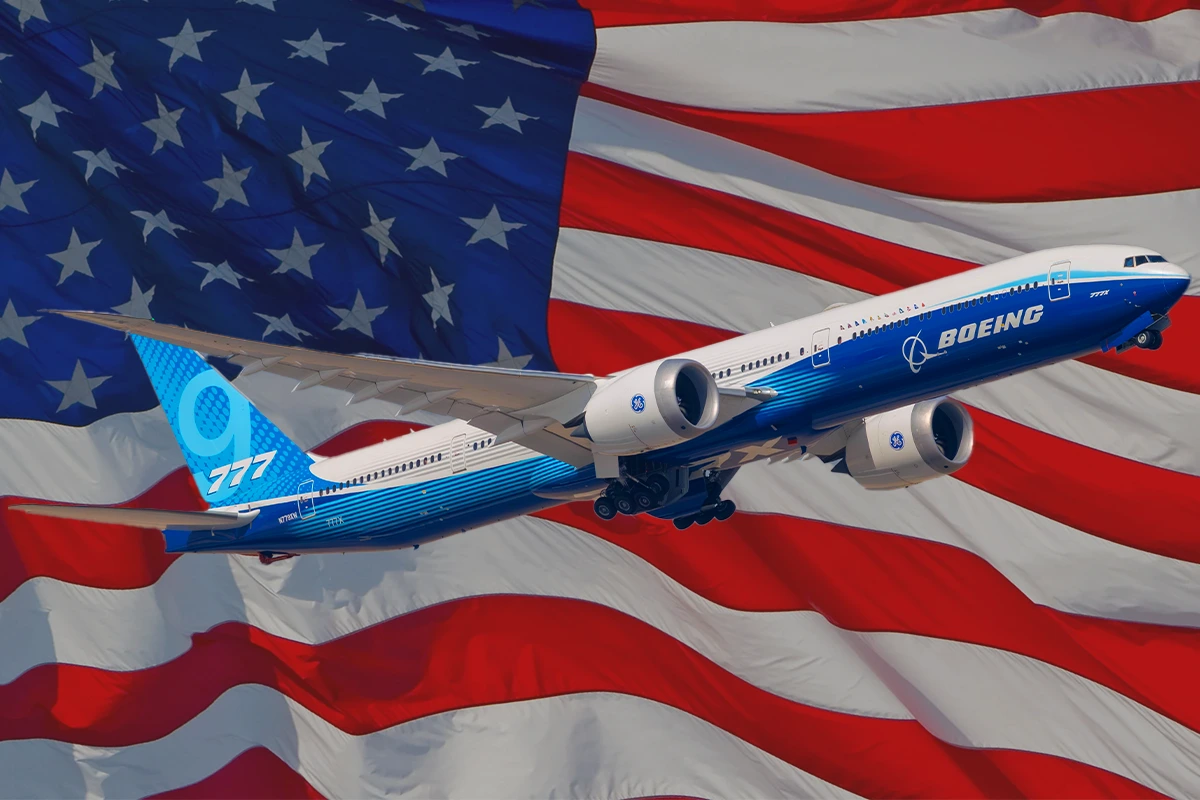
The 777X is Boeing’s latest long-haul widebody, but 13 years after its launch, it has received no orders from US airlines.
Amid ongoing certification delays, the COVID-19 pandemic recovery, market shifts, and fleet renewal, the 777X has had a challenging decade.
But with the US home to some of the world’s largest airlines, why haven’t these airlines committed to the widebody? Does this make the 777X a failure?
COVID-19 Pandemic Halts 777X Orders
The emergence of the COVID-19 pandemic halted new aircraft orders, and, among other factors, including GE9X issues and quality concerns, delayed the release of the 777X.
As demand was slashed by 90%, grounding fleets became common, and airlines removed fuel-thirsty widebodies from their operations to stabilise their finances and weather the storm.
With US carriers like Delta and United prioritising survival through the retirement of the 777’s fuel-driven engines and financial aid, respectively, gambles on new aircraft, especially long-haul ones, were not advisable.

Instead, airlines waited for many years to gain greater clarity on what the demand return would look like, whether from a leisure, business, or premium standpoint, and how it would align with financial recovery.
During these periods, newer aircraft models that had not yet built up their backlogs suffered, including the 777X and the A330neo.
However, while caution was in the air and premature orders risked wreaking havoc on airlines’ finances amid uncertain demand, a return to stability eventually brought a renewed focus on growth.
Uncertainty Surrounds The Boeing 777X
Uncertainty around the Boeing 777X has at times also stalled global orders, even as it has received strong commitments over the years, including from Emirates and Qatar Airways.
Not all airlines that will eventually operate the long-haul product are willing to invest immediately, given the significant uncertainty surrounding the aircraft type.

US carriers, while for a host of reasons not ready to commit to the aircraft, would, unless imperative, not commit to a program that has remained uncertain for well over half a decade.
Once Boeing can obtain 777X certification and enter service with a clear picture of production capabilities, output, and quality, not only US airlines but also those globally would feel that investing would present less financial risk.
What About The 777 In The US?
In 2026, the Boeing 777 remains a vital workhorse for US airlines, deployed on high-density, long-haul routes across the transatlantic and transpacific.
United Airlines and American Airlines are the two remaining passenger operators of the aircraft; Delta retired its fleet of the model during the COVID-19 pandemic.
American Airlines operates a mix of 777-200ERs and 777-300ERs, with the higher-capacity, longer-range model half the age of the former.
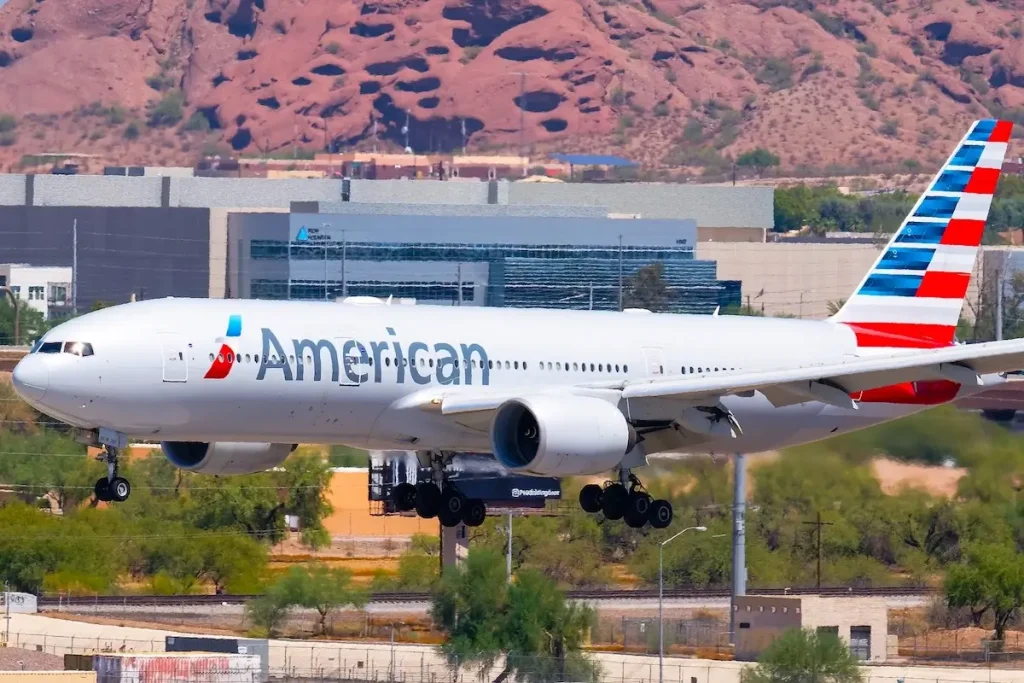
Meanwhile, United Airlines’ 777-200 fleet is aging, but its reliance on the jet remains strong despite persistent issues with the model in recent years; the 777-300ER also plays a role.
As a result, for these two US airlines, their Boeing 777s, and certainly the higher-capacity -300 model, remain relatively new, so a replacement is not required at this stage.
While an order for the 777X has yet to come, this doesn’t mean the new long-haul jet is a failure; rather, it reflects airlines conducting their neccesary fleet renewal reviews and exercising patience where required.
Instead of dealing with the delays that have come from the 777X and the uncertainty, US airlines can continue operating their 777s, performing retrofits if neccesary and review the replacement sometime in the future.
An Order May Come In The Long-Term
While US airlines have yet to commit to the Boeing 777X, and it may be perceived as a failure in this market, that doesn’t mean an order will never come; the long-haul jet is still uncertified.
As aging Boeing 777-200ER and 777-300ER jets near the end of their service life, airlines will begin seeking a more efficient successor for their high-density, ultra-long-haul routes.
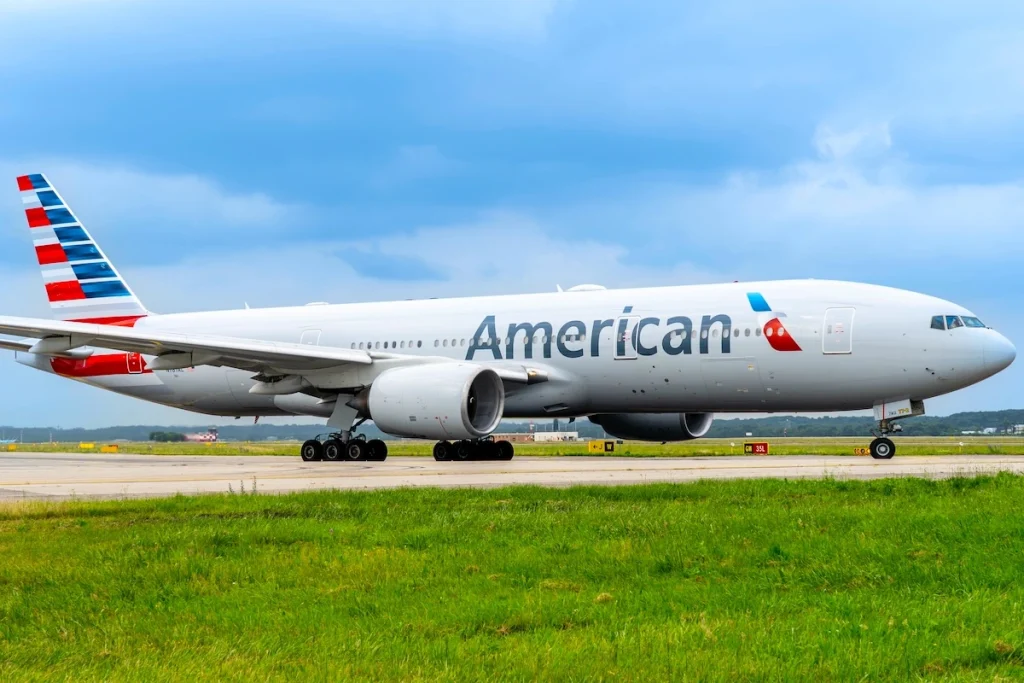
As noted, the 777 still has a strong presence in the US market, even after Delta announced it would retire the jet to prioritise fleet simplification during the COVID-19 pandemic.
For an airline like United, the 777X offers the prospect not only of transporting passengers across its route network but also of leveraging belly cargo space on key routes.
The 777X remains uncertified, and with US airlines having relatively young Boeing 777 fleets, there is still an opportunity to exercise patience and wait for certification and for their 777s to age.
What About Freight Operators?
Outside passenger airlines, Boeing’s upcoming dedicated freighter, the 777-8F, also has the potential to make a significant impact in the United States over the long term.
With the US home to FedEx, UPS, and others, these providers operate freighter fleets numbering in the hundreds. Because these aircraft are typically retained longer than passenger planes, the urgency for renewal isn’t the same as for United or American Airlines.

FedEx operates the Boeing 777F; however, with its fleet averaging 9.4 years and forming the backbone of widebody flying, it’s not at an age where it needs to be replaced. With more deliveries to come, this presents a safe short-term solution.
However, these freight operators are well aware that, at some point, they will need to respond to surging freight demand and transition to a more efficient operating model.
While that may not be the case now, with aircraft such as the 777X still in service, the modernisation of these businesses is inevitable, and Boeing will be aware of this, firmly believing it presents a real opportunity.
Bottom Line: A Slow Start But Not Forever
While the Boeing 777X hasn’t yet made a splash in the United States, its absence reflects patience rather than outright rejection from airlines based here.
American Airlines and United Airlines continue to leverage their Boeing 777 fleets, which, for some variants, remain youthful and perform well on high-density long-haul routes.

With these aircraft still in service, the need to order a direct replacement is deferred, allowing these companies to exercise patience.
Boeing’s long road to certification for the 777X has also contributed to delays in purchases by U.S. airlines and other global companies. Once greater clarity around the program is achieved, fresh orders may well flow in.
The start of the 777X’s life in the United States is slow, 13 years after its launch, with no certification and airlines uncertain about the room for growth and eventual commitments, whether from passenger airlines or freight providers.

ABOUT THE AUTHOR
Daniel Fowkes is a Melbourne-based aviation analyst and journalist with over a decade of industry experience. As founder of Dj’s Aviation, he delivers trusted analysis on aircraft, airline strategy and global aviation trends for djsaviation.net
Related Articles




Stay Informed
Get the latest aviation news, analysis and route updates delivered to your inbox.
We respect your privacy. Unsubscribe at any time.
Enjoyed this story?
Make us your go-to for aviation news
Add us as a preferred source on Google and see our latest stories first in Top Stories.
Add Us On Your News Feed