

Despite the Boeing 737 MAX’s importance across the industry, consistent struggles to certify two remaining variants have overshadowed much of its commercial success.
As 2025 approaches, Boeing has yet to obtain the necessary approval for its smallest 737-7 and largest 737-10, both variants part of the broader 737 MAX series. Moreover, each is expected to play a role in airline fleets.
These planes should’ve long been certified and flying with airlines; however, they remain incapable of flying with passengers aboard and have repeatedly experienced delays.
2024 was expected to be an important year in working towards certification, even getting this approved; however, when a door blowout incident occurred, it became apparent this wouldn’t be taking place.
After being appointed the company’s new CEO, Kelly Ortberg reaffirmed in September that certification of the remaining 737 MAX variants would come in 2025.
The related delays have followed a known anti-ice system, which has affected the program and has been the subject of airworthiness discussions and a great deal of focus from analysts looking into the two remaining variants.
However, those concerns have mainly been with in-service variants. As such, greater focus is being placed on the two uncertified variants to ensure they are safe and don’t encounter critical safety issues once airborne.
In January, Boeing also formally withdrew its request to the FAA to adopt a time-limited exemption, essentially acting as a workaround to ensure certification could come sooner rather than later.
More Certification Woes
While Boeing has hoped for approval in 2025, according to Airinsight, the program has experienced new setbacks following two incidents aboard Southwest flights operated by 737 MAX aircraft.
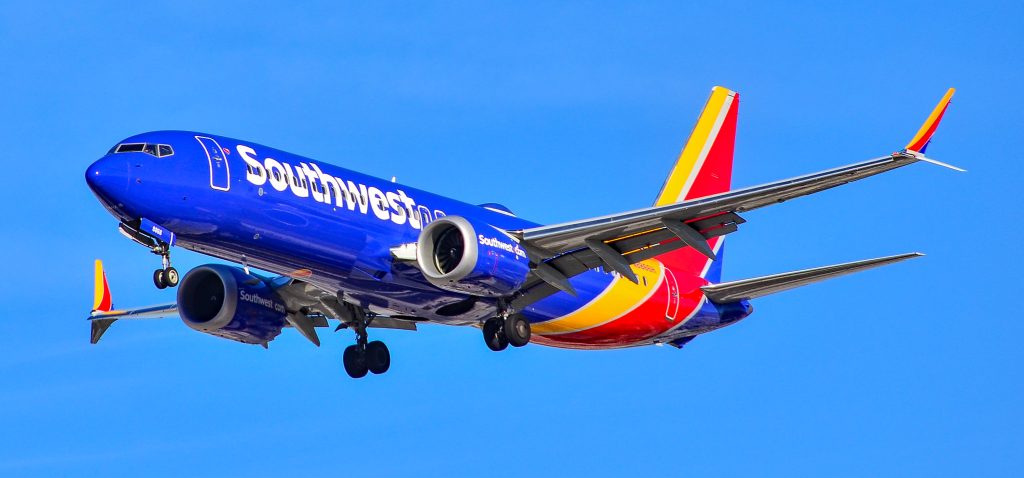
These incidents are related to the load reduction device on the CFM Leap engine that revolves around damage from a bird strike. The device limits the engine’s load by disconnecting the fan and limiting vibrations.
While on the surface, this may seem like something that can be worked through, one disadvantage for Boeing is that it has two uncertified variants, which then become the focus of these fixes that will take time.
The Federal Aviation Administration has increased its oversight of day-to-day practices such as production and arguably made it much harder to get planes approved, especially after the corner cuts in the past.

ABOUT THE AUTHOR
Daniel Fowkes is a Melbourne-based aviation analyst and journalist with over a decade of industry experience. As founder of Dj’s Aviation, he delivers trusted analysis on aircraft, airline strategy and global aviation trends for djsaviation.net
Related Articles




Stay Informed
Get the latest aviation news, analysis and route updates delivered to your inbox.
We respect your privacy. Unsubscribe at any time.
Enjoyed this story?
Make us your go-to for aviation news
Add us as a preferred source on Google and see our latest stories first in Top Stories.
Add Us On Your News Feed