

In frustrating news for Air New Zealand, the flag-carrier now expects a first-half loss.
The carrier, which is predicting a pre-tax loss of around NZ$30 million and NZ$50 million for the first half of the financial year, is facing increased pressure due to rising costs and softer demand across key markets.
Air New Zealand initially stated that its guidance did not anticipate weaker revenue, but when combined with continuously rising operational costs, this spells trouble for the business.
This reporting followed the airline’s continued ability to see a significant year-over-year increase in capacity as it has sought to expand its flight schedule. This doesn’t always correlate to solid financial perfromance.
Areas such as the domestic economy and slower travel to the United States have negatively impacted bookings. With these key markets experiencing a revenue impact, there are further complications.
Air New Zealand had previously warned several years ago about the impact that other U.S. airlines’ expansion into New Zealand would have on it. As those companies have enhanced their schedules and offered more compelling flights with onward connectivity, the flag carrier has suffered.
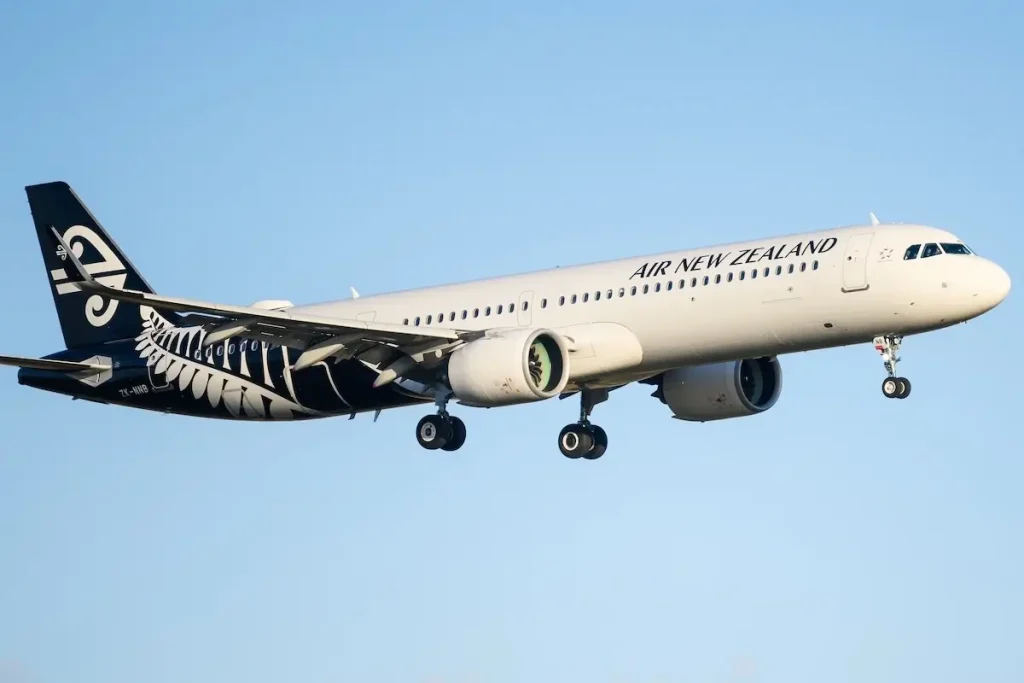
Air New Zealand has other end-of-lease commitments, which will amount to approximately NZ$20 million for two short-term aircraft and other end-of-lease obligations that were not part of the carrier’s original estimates.
Rising costs have continued to be a struggle for airlines across the industry, who have been tasked with finding ways to manage these cost increases and continue turning a profit.
In the case of Air New Zealand, its position does not necessarily come as a surprise, given years of turbulence, including the impact of its home country’s pandemic response, which substantially affected recovery and led to a slower rebound than in other markets.
Recent Air New Zealand Struggles
With all that said, another primary struggle for Air New Zealand has been documented many times, thanks to the airline’s outspoken stance on aircraft groundings.
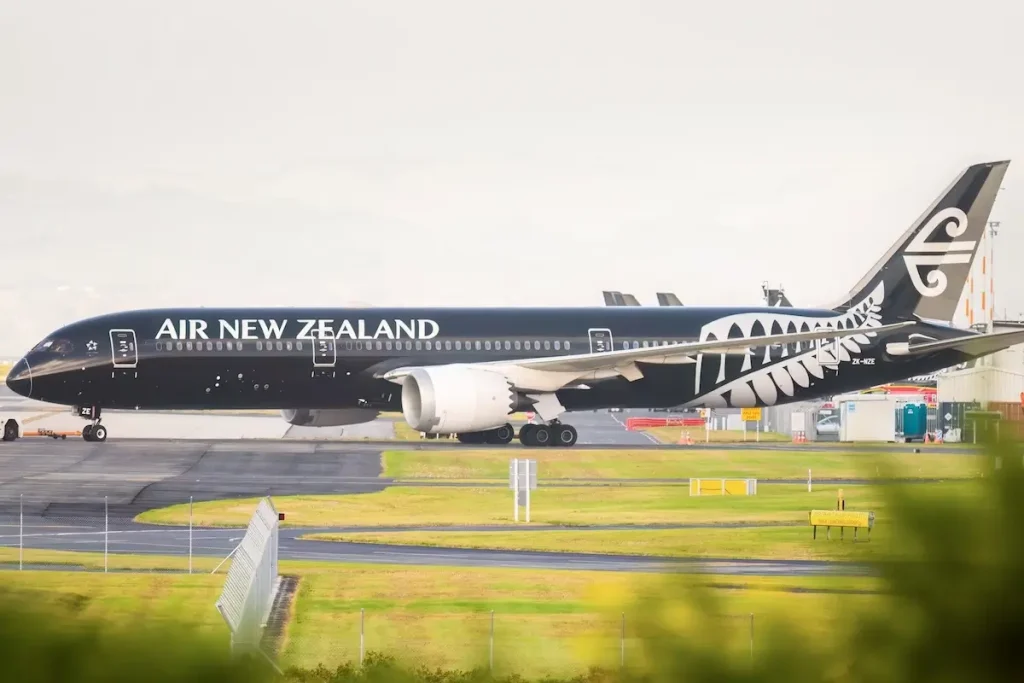
Throughout 2025 and in the years preceding it, the industry has been gradually grappling with the grounding of next-generation aircraft, spurred by reliability concerns with the engines powering them.
In August, the company stated in its annual results that, while pressure would gradually ease over the next two years, it would still face operational challenges and that jets would remain parked for years to come.
2025 has seen, at times, aircraft from the fleet parked, including both A320neo families simultaneously, both of which are critical to serving different market types, whether on short- or long-haul routes.
Based on the latest estimates, the airline believes that nine to ten planes will remain grounded in the first half, with the split evenly between single-aisle and widebody jets.
Despite this, the airline has continued to operate amid additional frustrations and has turned to managing all services under pressure.
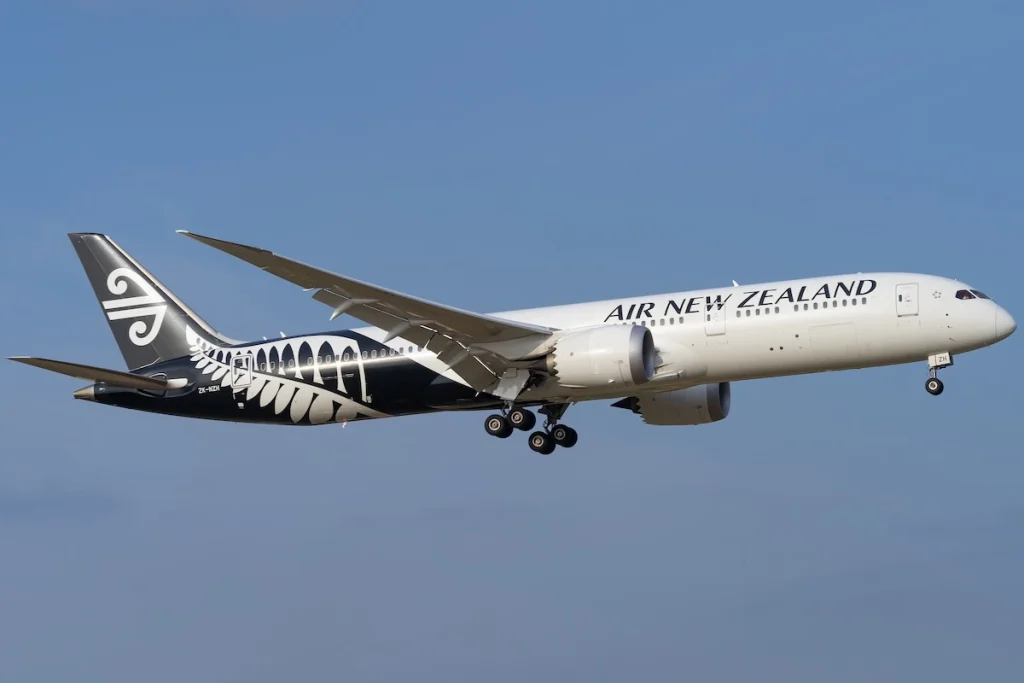
Additionally, with more engines arriving on lease, this has necessitated planes being reactivated sooner amid such uncertainty, especially amid the ongoing Pratt & Whitney engine crisis, which continues to hurt airlines worldwide.
Ultimately, from the 787 groundings in the 2010s to the COVID-19 pandemic, now to supply chain disruptions, engine woes, increasing costs, and more, many would point to the New Zealand flag-carrier as one that has taken repeated beatings over the last decade.
All in all, the airline has remained positive despite all the obstacles in its path. The bad news surrounding it is set to report a loss across the first half of the financial year, just another challenge the business will be keen to rectify in the coming quarters.

ABOUT THE AUTHOR
Daniel Fowkes is a Melbourne-based aviation analyst and journalist with over a decade of industry experience. As founder of Dj’s Aviation, he delivers trusted analysis on aircraft, airline strategy and global aviation trends for djsaviation.net
Leave a Reply
Related Articles




Stay Informed
Get the latest aviation news, analysis and route updates delivered to your inbox.
We respect your privacy. Unsubscribe at any time.
Enjoyed this story?
Make us your go-to for aviation news
Add us as a preferred source on Google and see our latest stories first in Top Stories.
Add Us On Your News FeedRelated articles
· Airlines
Allegiant Air Buys Six More 737-8s From Boeing
Daniel Fowkes
26/10/2026
· Airlines
Emirates vs Qatar Airways: The Gulf Superhub Rivalry Compared
Bryan Shelmon
26/10/2026
· Airlines
Riyadh Air Is Moving Away From Riyadh
Daniel Fowkes
26/10/2026
· Airlines
Emirates Isn’t Worried At All
Daniel Fowkes
25/10/2026
Hi I am a Kiwi in my latter years and have traveled. First time with Air NZ was 1st April 1969 I rank Air NZ as the best people Carrier on this Planet. I am aware of the issues you are facing and am sorry, There has to be a way around this For a start I guess you might have to sneek the ticket cost a bit and cut back on non assentuals Whatever you decide I will always travel with you before any other Airline You have my 💯 support 🙏 Be strong
Air New Zealand is now in my opinion one of the most useless airlines ever…..gone are the days of the company being one of the best if not the best in the Star Alliance even the, but thanks to their penny pinching ways and tight fisted “improvements” and hopeless management & CEO choices the company has been reduced to an F for Failure
Absolutely agree. All major international airlines are currently making massive profits, but Air NZ are useless and only prioritise not spending money. We need to start investing for the future. Leasing instead of purchasing and taking the cheaper and poorer landing slots only adds to the problem. Looks like it could be a similar story for our interislander ferries – however there’s limited competition.
Air NZ should stop paying for carbon credits in u destabilize d the amount they do not disclose, may be tens of millions. Also stop paying triple price for the SAF fuel. There, no loss quite quickly
Karma has come for them for what they did to Ansett.
Ansett was mismanaged by Australians well before Air NZ took over get your facts straight Mate!!!