

As Asiana Airlines begins integrating into Korean Air following the announced merger efforts, the fleet composition will change.
The fleet renewal will see much change and focus on having the business see many more aircraft join the ranks, all the while becoming leaner, and more sustainable for the future.
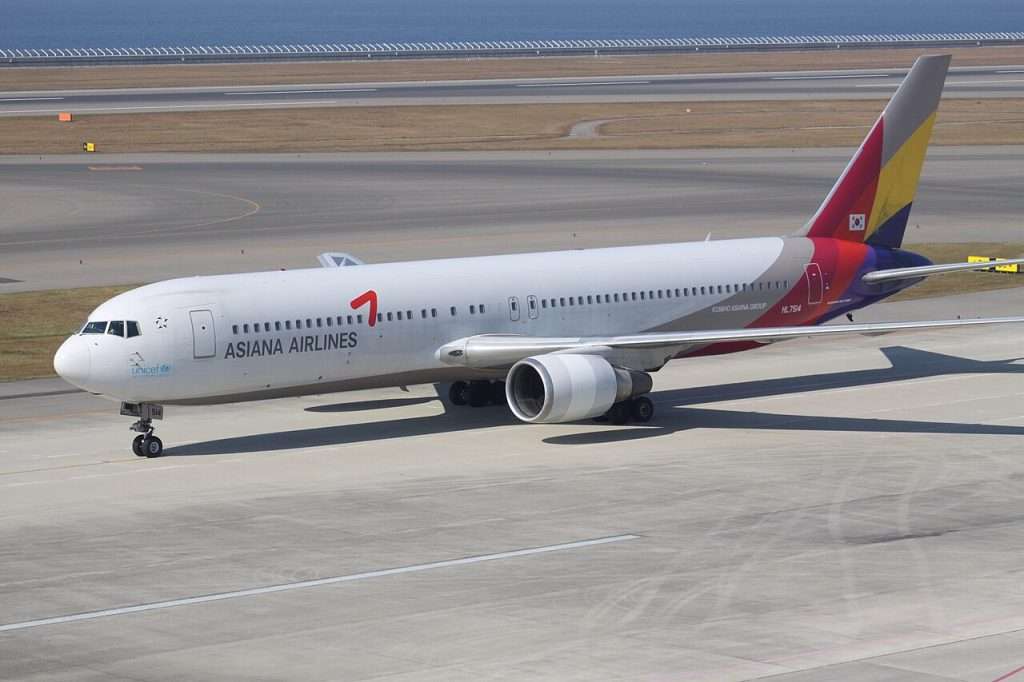
As a result, Asiana Airlines will look to ship off one of its oldest aircraft, the Boeing 767 series, which has operated for some time but has always been nearing the end of its operational life.
Fleet data indicates Asiana Airlines has just a couple of Boeing 767s remaining in its fleet; these aircraft are the -300 variant and average some 27.8 years.
This makes the 767 the oldest commercial aircraft in the airline’s passenger fleet by a considerable margin. However, the aircraft will cease to exist by next month.
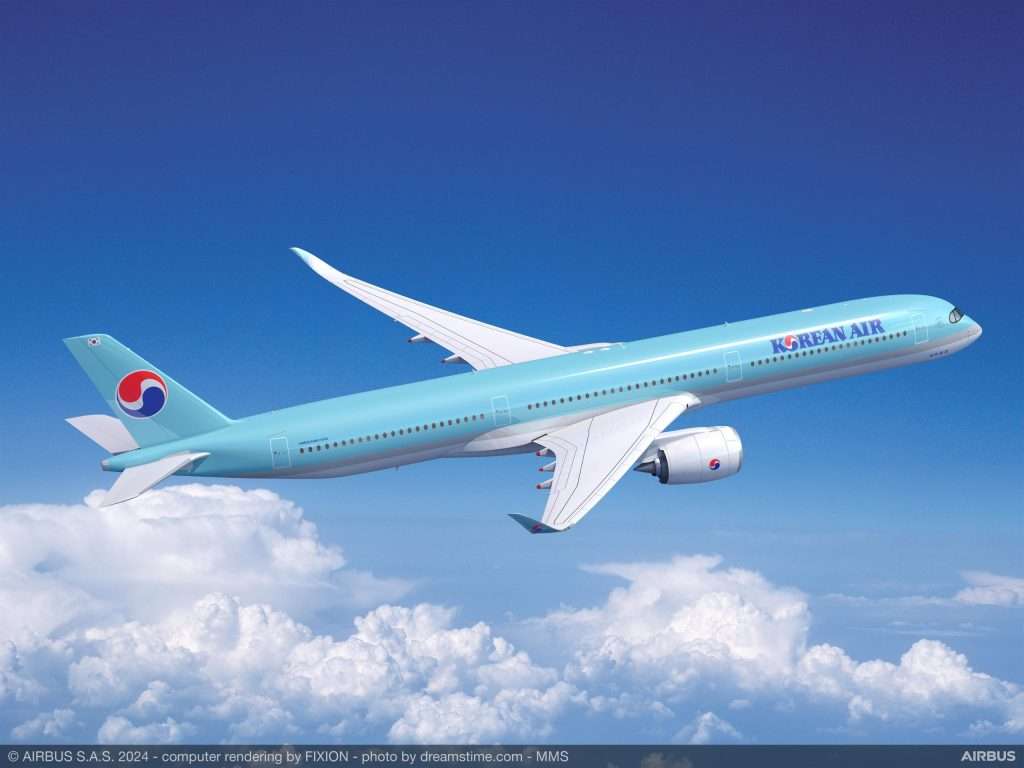
Korean Air, which is integrating Asiana Airlines into its business, has long prioritised fleet renewal efforts and ensured that environmentally friendly and efficient aircraft were used in its operations.
However, with Asiana Airlines coming into the picture, Korean Air remains adamant that it imposes core business values and ideas on the airline to ensure synergies are felt business-wide.
While the merger is taking shape, complete integration will take time, and there will be many obstacles, as seen in the lengthy certification process. The carriers have needed to adjust their terms and agreements to ensure they are compliant with regulators.
Asiana Airlines Focus On Airbus
Moving forward, aircraft like the A321neo series will be pivotal to the Asiana Airlines operation. A more modest single-aisle jet like this offers considerable efficiency in daily flying.
By continuing to introduce a plane such as this into the business, Korean Air and Asiana Airlines argue that there’ll be simplicity business-wide, which will see greater benefits reaped from maintenance to even crew with fewer aircraft to make the composition less complex.
For example, Korean Air has long focused on Boeing-produced aircraft, and that reliance continues with jets such as the 737 MAX and 787, among others. However, importance is now being placed on types from Airbus.
In preparation for the integration, Korean Air has been forced to look into the Asiana Airlines business, which relies heavily on the next generation of Airbus jets, most notably the A350-900.
Korean Air has now purchased the A350, and 33 aircraft have been ordered as part of its growth and simplification efforts for the broader business.

ABOUT THE AUTHOR
Daniel Fowkes is a Melbourne-based aviation analyst and journalist with over a decade of industry experience. As founder of Dj’s Aviation, he delivers trusted analysis on aircraft, airline strategy and global aviation trends for djsaviation.net
Related Articles




Stay Informed
Get the latest aviation news, analysis and route updates delivered to your inbox.
We respect your privacy. Unsubscribe at any time.
Enjoyed this story?
Make us your go-to for aviation news
Add us as a preferred source on Google and see our latest stories first in Top Stories.
Add Us On Your News Feed