

American Airlines is making significant changes to its flight operations to regain customers and close the gap with competitors.
For years, American Airlines has looked to limit expenditure and stabilise its operations. Now, that is all changing as the company recognises it needs to begin moving forward and once again place greater priority on customers.
As part of this urgency, American Airlines has committed to offering ultra-fast Wi-Fi, lie-flat seats, improved beverages, and a premium makeover of its aircraft configuration to make up ground.
Firstly, the business is looking towards premium offerings, which will be visible through the new Boeing 787-9s and A321XLRs, which will form a bigger part of the airline’s operations in the coming years, not just to operate new routes but, more importantly, to drive revenue upwards.
That revenue drive will be made possible thanks to the airline looking to offer these planes across more competitive corridors where it believes it has fallen back from airlines such as Delta, which, of late, have looked to elevate their position substantially.
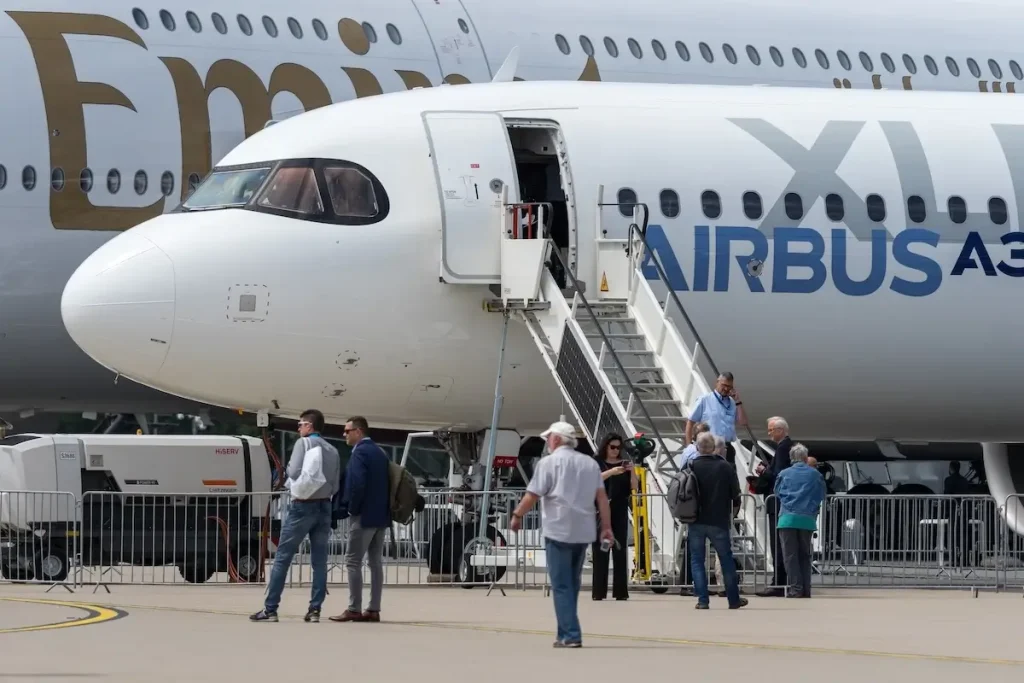
For example, initially, the A321XLR is expected to debut from the East to the West Coast of the United States, linking New York and Los Angeles, with now lie-flat seats on a single-aisle jet; it’s a three-class configuration jet that will soon be deployed more prominently across international markets too.
American Airlines’ chase of revenue is something every business prioritises. Still, not every company will push it as heavily as some as an immediate focus; look no further than low-cost unit Southwest.
This business has been forced to enter a new era of its operations, placing greater emphasis than ever before on forgetting everything it was known for to bring in billions of untapped revenue that analysts and those who studied the airline closely had been missing.
In the U.S. sector, with the big three of Delta, United, and American Airlines, the latter has lagged in profits, premium travel trends, and customer offerings.
The real turning point was the airline’s announcement of a loss, which followed its competitors’ announcements of substantial profits in the billions. Furthermore, customer satisfaction has dropped, which American Airlines couldn’t have expected.
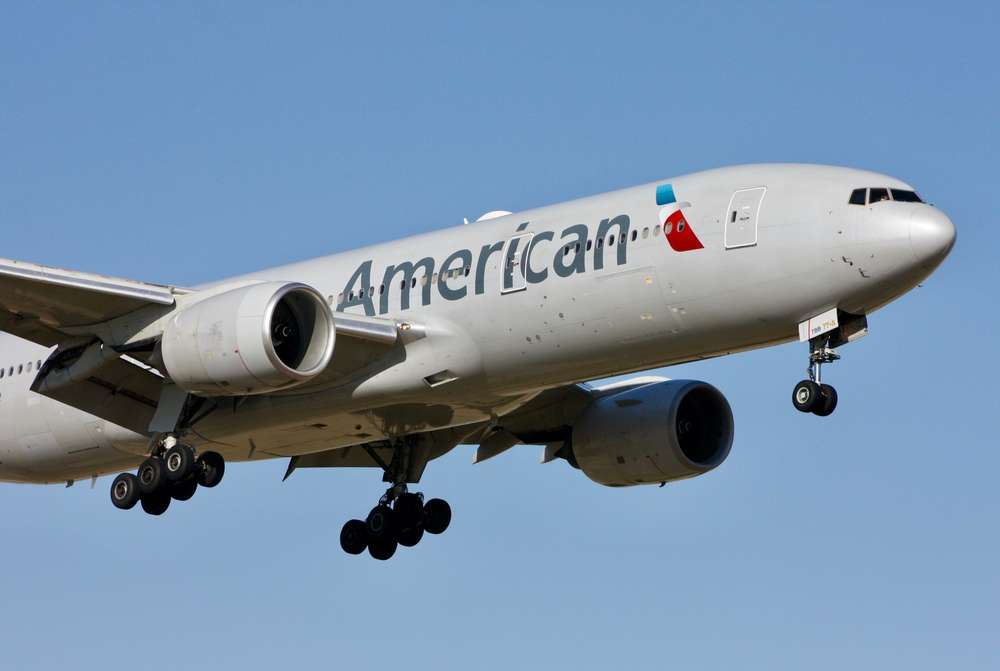
Speaking with Reuters, the Chief Commercial Officer said that the investment in customer experience is going to be critical to help grow the top line and close the gap; it’s no longer deemed optional but rather imperative to the airline’s long-term future within the industry, and ensure it doesn’t fall further behind its counterparts.
For American Airlines, it hasn’t been all smooth sailing either. While many things every other airline has had to deal with still haven’t helped, that is definitely evident in aircraft delays and planned retrofit programmes not occurring at the required pace.
American Airlines’ Exciting New A321XLR
One aircraft that will be critical to the airline’s future is its brand-new A321XLR, launching shortly and showcased at an event in the United States last week.
American Airlines became one of the founding members of the A321XLR order backlog when, at the Paris Airshow in 2019, it committed to 50 of the aircraft type, joining many international airlines that had already ordered them.

American Airlines’ journey to the first delivery of the Airbus A321XLR has not been easy. Immediately after its purchase and the launch of the jet, the COVID-19 pandemic arrived, halting new aircraft arrivals, innovation, and growth.
The A321XLR then faced several delays in its certification process. Airbus, despite adversity, remained committed to delivering the jet as soon as possible but couldn’t avoid delays to its launch, attempting to minimise them where possible.
For American Airlines, even once it was handed the keys to its first unit, it hasn’t been easier either. In July, reporting emerged that while it had technically taken on its first XLR, there was a significant problem surrounding the jet, and as a result, it remained grounded in Europe.
That grounding meant a formal delivery flight to the United States was not possible, due to a shortage of seats intended for the XLR, so while the papers had gone through, supply chain complexities were still hurting the business.
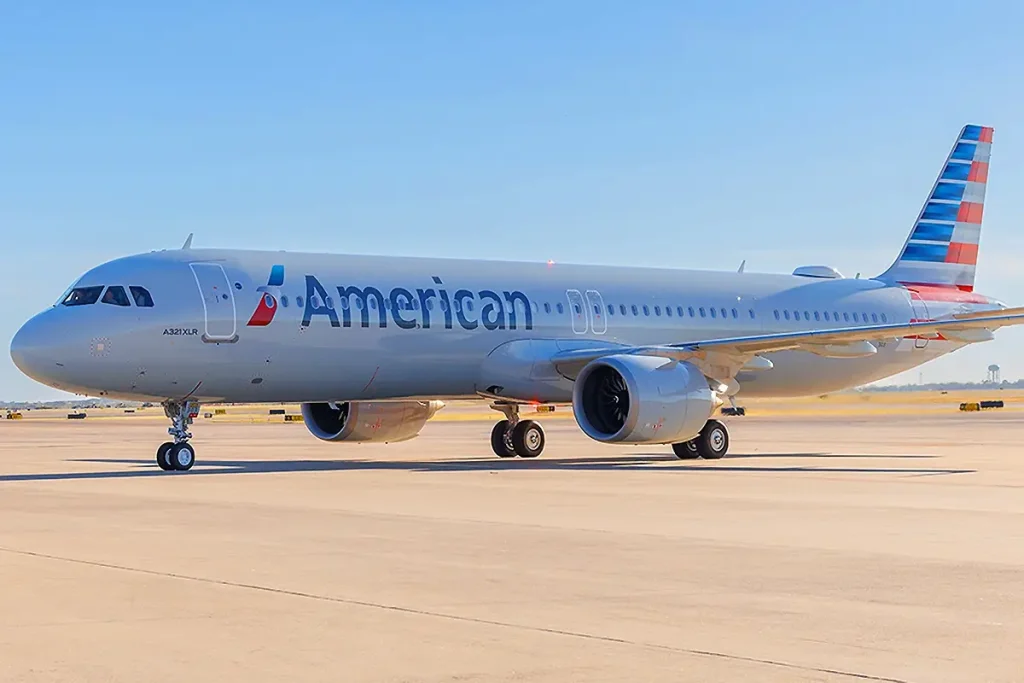
Now expected to enter service momentarily, it’ll feature 20 flagship business seats, 12 premium economy seats, and 123 standard economy seats. That’s a three-class, single-aisle configuration with even lie-flat seats.
The luxury the airline is attempting to bring to the XLR is not all that common in single-aisle jets, and it highlights the game-changing nature of this model and why airlines have been highly anticipating it.
The A321XLR will begin flying on transcontinental routes first; however, that’ll be just the beginning, with the aircraft to be deployed across services to Edinburgh and beyond from early 2026 as more aircraft are delivered. The premium feel of these planes is precisely what the airline hopes will be the shift needed for a brighter future.

ABOUT THE AUTHOR
Daniel Fowkes is a Melbourne-based aviation analyst and journalist with over a decade of industry experience. As founder of Dj’s Aviation, he delivers trusted analysis on aircraft, airline strategy and global aviation trends for djsaviation.net
Related Articles




Stay Informed
Get the latest aviation news, analysis and route updates delivered to your inbox.
We respect your privacy. Unsubscribe at any time.
Enjoyed this story?
Make us your go-to for aviation news
Add us as a preferred source on Google and see our latest stories first in Top Stories.
Add Us On Your News Feed