
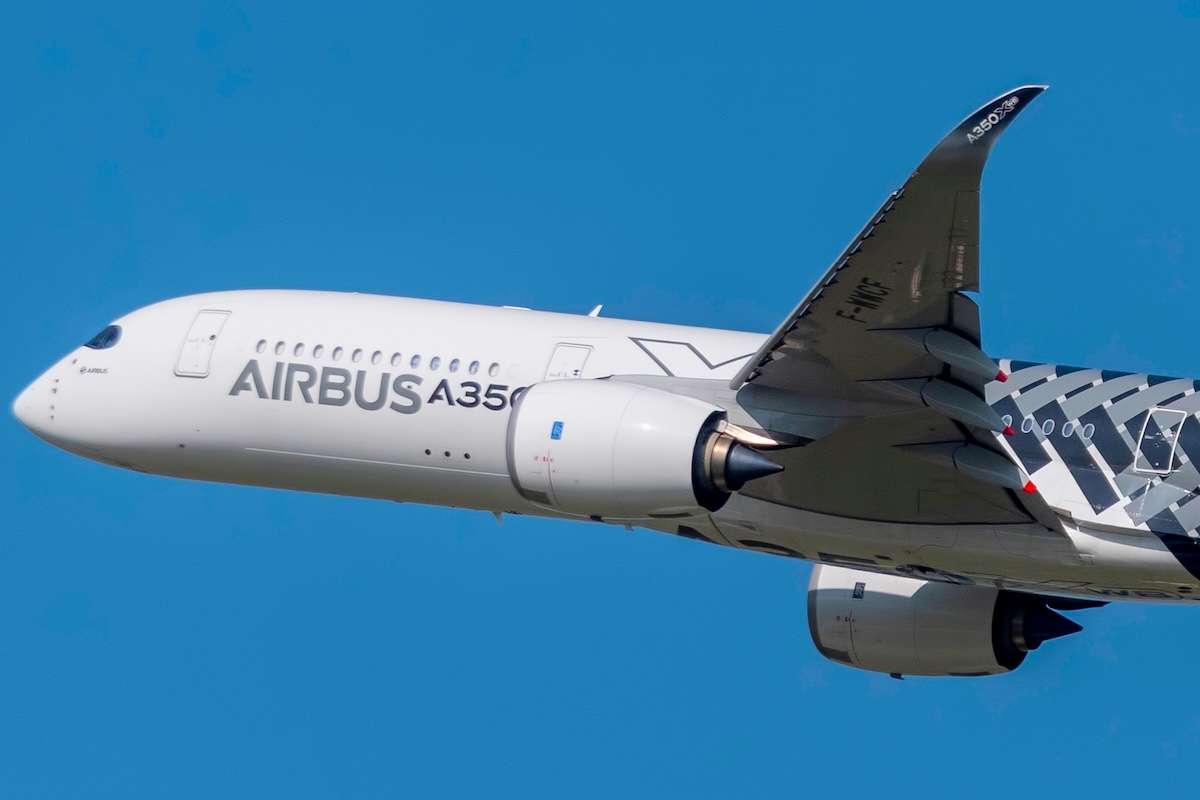
Airbus is once again pursuing a new contract for its A350 and A321neo jets with Biman Bangladesh Airlines, a move that remains controversial after months of pressure.
The latest reports suggest the proposal being put forward by the planemaker consists of just 10 aircraft, a reduction from what had been initially proposed and seemingly rejected in favour of Boeing’s commercial airplanes.
That new proposal aims to pitch four A350-900s and six A321neos to the airline and the country, as Bangladesh pushes to advance its aviation industry through new aircraft purchases and the important renewal of its fleet.
However, with the latest reporting of Airbus’ push coming a mere weeks after Boeing saw its pitch essentially confirmed, this adds further fuel to a fire that will not cease.
A Controversial Proposal
Aircraft orders are rarely, if ever, controversial, let alone a push from planemakers to secure contracts, as discussions, pitches, and other efforts are standard procedures for planemakers seeking to win lucrative contracts from their competitors.
However, for Airbus, its push to secure a deal in Bangladesh has become one of the more controversial prospective purchases in recent years, primarily because of how Bangladesh plans to procure its aircraft.
Instead of simply sticking with the aircraft rationale, Bangladesh, for its new aircraft, went down a more political and trade-policy route, which Airbus argued was a defining factor and unacceptable, giving Boeing the uphill advantage.
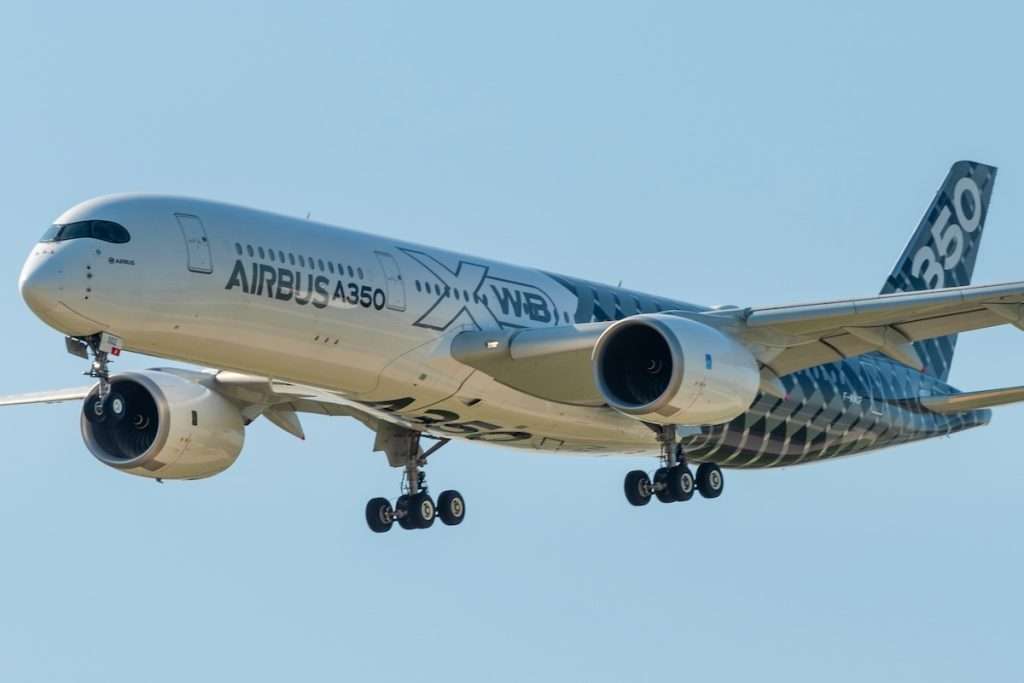
Biman’s decision, especially regarding Boeing jets, seemed more likely to be driven by political benefits than by the aircraft choice itself. The airline and country are seeking not just to source new lanes, but also to see positive steps taken in their relations with the United States.
Airbus feels that, because of this politically driven agenda, it has been placed in a challenging position, arguing that Biman should choose aircraft based on commercial and technical merit rather than politics.
A Boeing Deal Already Confirmed
This latest push from Airbus to secure new contracts follows Boeing’s already-announced deal, which was first green-lighted at the beginning of the year and was formally finalised in the last two weeks.
That deal saw the airline purchase eight 787-10s for service in the Middle East, and a new variant in the 787 family that it has ultimately committed to. This was also followed up by just one more of the 787-9 model, a jet already flying in the fleet, but to develop flying in Europe and North America.
Additionally, Biman selected the 737 MAX, four of the mid-range 737-8, with this its first commitment to the Boeing single-aisle, to further shift reliance in both its smaller and larger flying operations towards next-generation jets to bring down costs.

Now, with Airbus pushing, they still clearly want the deal, feeling that, while Biman selecting their jets would add some further fleet complexity, it would ultimately balance the fleet structure and help drive expansion. along-hauls tandpoint.
Airbus, if anything, argues that Biman should’ve strictly looked at politics, but instead, what is being put forward to it is from an aircraft and technical standpoint; this is why the planemaker is still aggressively pursuing the signing.

ABOUT THE AUTHOR
Daniel Fowkes is a Melbourne-based aviation analyst and journalist with over a decade of industry experience. As founder of Dj’s Aviation, he delivers trusted analysis on aircraft, airline strategy and global aviation trends for djsaviation.net
Related Articles




Stay Informed
Get the latest aviation news, analysis and route updates delivered to your inbox.
We respect your privacy. Unsubscribe at any time.
Enjoyed this story?
Make us your go-to for aviation news
Add us as a preferred source on Google and see our latest stories first in Top Stories.
Add Us On Your News Feed