
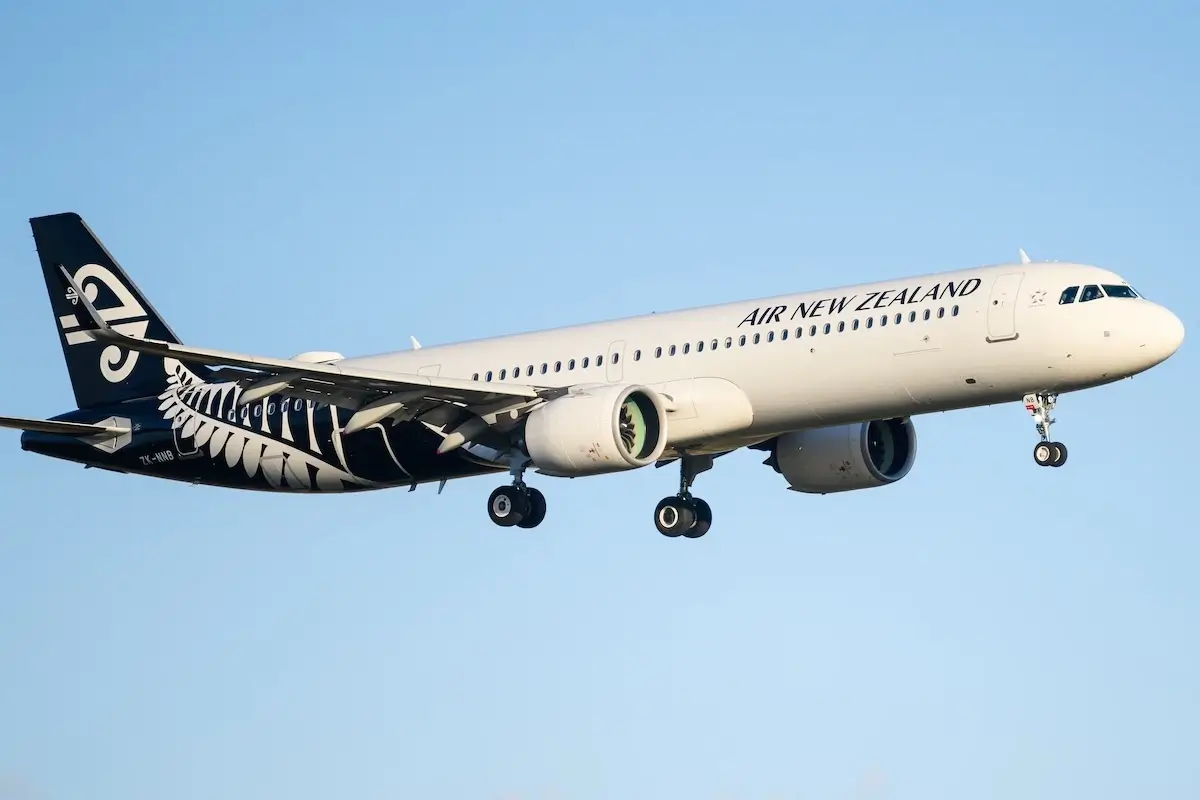
Air New Zealand is preparing for the Pratt & Whitney engine saga to continue for at least a couple more years.
The development, shared by ch-aviation and highlighted across recent quarterly reports, paints a continued bleak picture for the airline.
The primarily affected planes are those within the Airbus A320neo family, driven by the usage of both the A320neo and A321neo models across domestic and international flying.
Fleet data shows that Air New Zealand has 14 delivered Airbus A321neos, averaging some four years of age; however, just nine of these remain active based on the latest figures, with five parked due to the ongoing engine challenges.
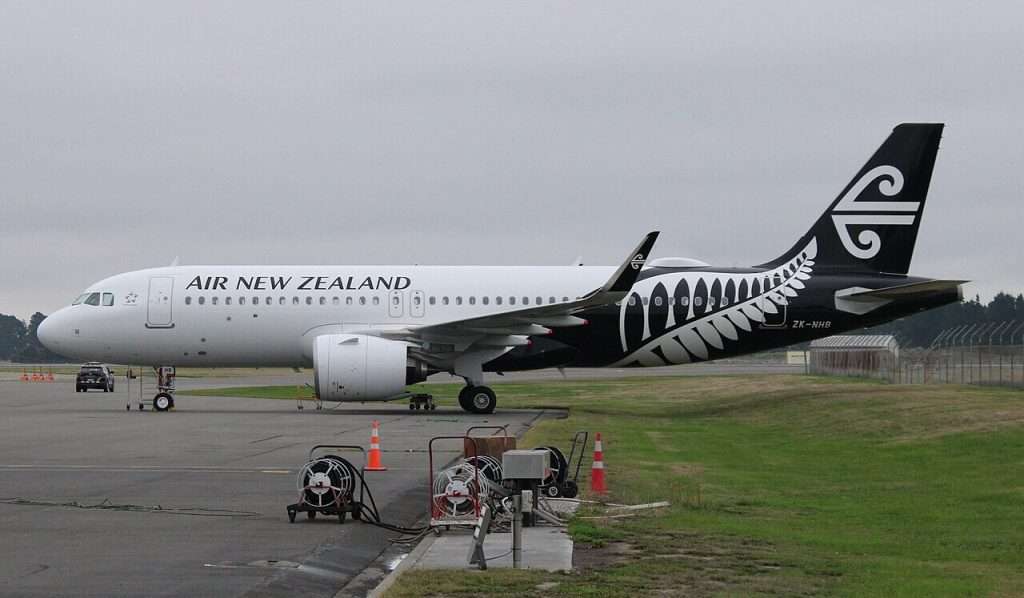
Additionally, the airline has six delivered A320neo jets, with five active and one listed as parked. These figures, however, are constantly changing due to the uncertainty of the operating environment involving Pratt & Whitney engines.
The bleaker-than-expected outlook aligns with forecasting around the world from other airlines, who expect things to get better eventually, but not at the speed that would be desired to see meaningful improvement on an operational and financial level.

Unfortunately for Air New Zealand, the challenges mean planes that were meant to bring in the new era have not had the initial profound impact expected and limited renewal and growth efforts due to their unreliable nature.
All this is while much focus is placed on the Airbus narrowbody planes, but what cannot be forgotten is the struggles experienced with the 787 fleet across its already now lengthy lifespan with the operator.
Air New Zealand’s April Guidance
In April, Air New Zealand published an update on its full-year earnings guidance and also discussed how aircraft groundings were affecting its business.
In that update, the carrier confirmed it was able to secure additional leased engines and one further owned spare engine, which would help stabilise aircraft groundings moving forward, but not fully alleviate the problem.
At that point, the airline said it expected the number of planes that would remain on the ground at any given point to continue to be high, where in April that figure was at 11 units, the total number of jets on the ground therefore continues to fluctuate month by month in what is an evolving situation by the day.

While engine woes and engine complexities remain challenging at the best of times, a great deal of frustration for airlines centres around the inability to understand when these problems will cease.
The prospect of battling these delays for at least a further two years gives little to no clarity for the airline, in this case, Air New Zealand, which struggles to plan around the obstacles facing its fleet.
Time and time again, the New Zealand carrier has believed a corner had been turned with visible improvement across the global supply chain, only to see progress undone, and the one step taken forward results in two steps taken back.
Air New Zealand’s Warning
In April as well, the carrier made it clear that the compensation received because of the ongoing engine crisis may not directly reflect the total number of aircraft on the ground, partly due to the definition of “off-wing engines.”
Air New Zealand says that in the past, the framework of compensation has centred around the flexibility of certain engine states that were not usable or in commercial service, being treated as unservicable and thus resulting in compensation.
However, this component was introduced despite Air New Zealand retaining the engines to facilitate the repositioning of stored aircraft; this flexibility has now ended, according to the airline.
It makes decisions more difficult and results in lower compensation output for the second half, which the airline says will be considered across the second half of the year and moving forward.

ABOUT THE AUTHOR
Daniel Fowkes is a Melbourne-based aviation analyst and journalist with over a decade of industry experience. As founder of Dj’s Aviation, he delivers trusted analysis on aircraft, airline strategy and global aviation trends for djsaviation.net
Related Articles




Stay Informed
Get the latest aviation news, analysis and route updates delivered to your inbox.
We respect your privacy. Unsubscribe at any time.
Enjoyed this story?
Make us your go-to for aviation news
Add us as a preferred source on Google and see our latest stories first in Top Stories.
Add Us On Your News Feed