

Air New Zealand has been one of the more unlucky carriers over the last decade, with persistent aircraft groundings that were out of its control.
As the flag carrier published its latest half-year earning guidance, the company also provided updates on aircraft groundings.
In the release, Air New Zealand stated that availability issues will begin easing in the early stages of 2026, which comes much later than what would ideally happen.
Air New Zealand says that aircraft availability issues stem from the global engine crisis, which is taking no prisoners and not directly impacting only one sole engine manufacturer but rather many.
Unfortunately, the carrier just so happens to have two of the aircraft that have been most impacted by the engine crisis in recent times: the A320neo family and the Boeing 787.
These two types were meant to form important pillars of the airline’s future single-aisle and widebody network; however, their entry into service has been anything but smooth.
Air New Zealand says that maintenance delays related to the global engine crisis have seen up to six of their A320neo family aircraft out of service across the first half of the financial year, impacting its ability to offer capacity to critical markets and causing frequency reductions.
Meanwhile, the 787 has also been affected, with the flag carrier stating that up to four of its Dreamliners have been largely pulled from service. There is a great deal of uncertainty about when engines will return alongside the maintenance plan.
The grounded aircraft have represented an over 16% reduction in its available jet-powered fleet, which has a negative impact on its ability to serve the domestic and international markets.
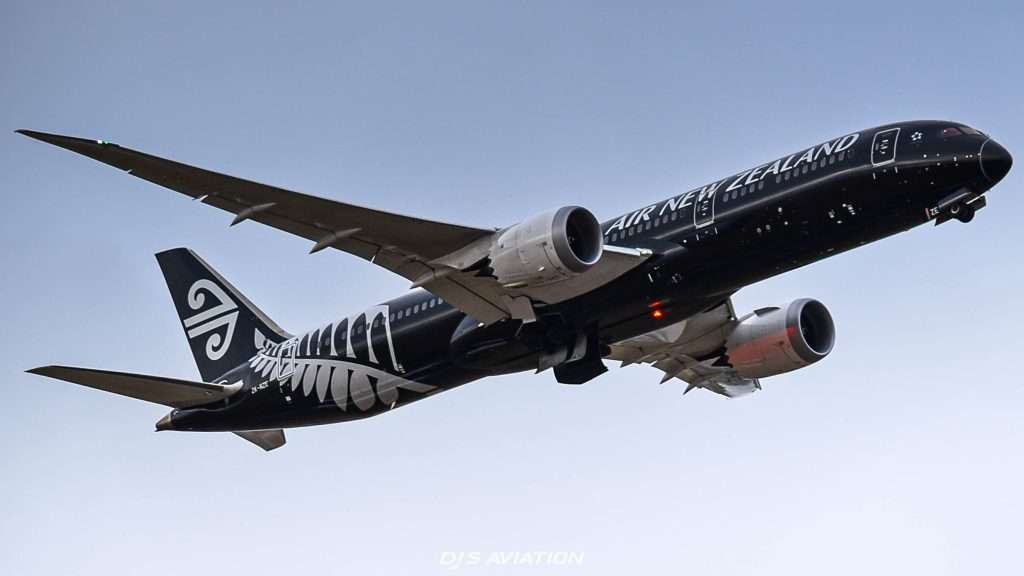
While these impacts have been colossal, Air New Zealand has sought ways to mitigate these circumstances through leasing agreements. The leasing market presents equal risk and opportunity; however, it is a means for the company to limit capacity loss from grounded aircraft.
The string of aircraft groundings has easily led Air New Zealand to feel it is one of the more unlucky carriers of the last decade. It was also hit during the late 2010s with Rolls Royce Trent 1000 engine difficulties that led to groundings and wet-lease agreements needing to be signed.
Airlines Around The World Struggle
Air New Zealand isn’t the only company to have experienced something similar within its business over recent calendar years.
The profound engine crisis is resulting in many airlines cutting growth expectations and even cutting their existing route network in a bid to manage the available fleet.
Thai Airways recently went on the record for discussing the engine crisis and its impact on the 787 Dreamliners, pointing to the uncertainty around when engines would return from the maintenance factory.
The Thailand-based company stated that the engines would typically take 90 days to return. However, nowadays, that number is ballooning towards 120 and more, making it hard to plan for the re-entry into service and draining finances.

ABOUT THE AUTHOR
Daniel Fowkes is a Melbourne-based aviation analyst and journalist with over a decade of industry experience. As founder of Dj’s Aviation, he delivers trusted analysis on aircraft, airline strategy and global aviation trends for djsaviation.net
Related Articles




Stay Informed
Get the latest aviation news, analysis and route updates delivered to your inbox.
We respect your privacy. Unsubscribe at any time.
Enjoyed this story?
Make us your go-to for aviation news
Add us as a preferred source on Google and see our latest stories first in Top Stories.
Add Us On Your News Feed