

Aircraft woes have been plaguing the aviation industry in recent years, and Air India expects this to continue for the remainder of the decade.
In fresh comments from the airline CEO, Campbell Wilson, discussions centred around the struggles the Indian flag carrier is facing in renewing its business because of aircraft woes.
From engine complications that have grounded fleet types worldwide to persistent supply chain issues and even internal certification challenges, plane makers have had it tough, and their airline customers have felt the direct knock-on effect.
Those knock-on effects change in intensity from airline to airline as each customer faces different circumstances and their requirement for new commercial aircraft changes.
Unfortunately, Air India finds itself amid a significant turnaround to make it one of the industry’s leaders again after a turbulent last decade that saw the flag carrier’s downfall.
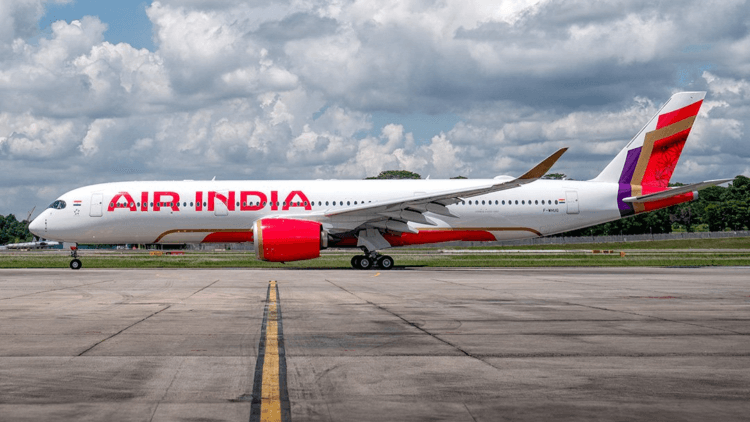
Now, under the ownership of Tata Group and free of the shackles imposed by the Government, the belief is that through significant investment, Air India can rebuild and be a force to be reckoned with in a country growing its presence around the world astronomically.
However, Wilson, who has been tasked with the head leadership position and leading the turnaround, knows the situation at plane makers is complicating their growth and renewal efforts.
Wilson argues that what makes matters worse is the lack of ways to sort the complications out. Air India is simply subject to what these planemakers are feeling, and this means it is unable to take aircraft on when it intended to do so.
How Air India Combats This
As the reality sinks in that complications at plane makers are likely to continue for the next four to five years, countermeasures are being undertaken to limit the impact.
Air India is retaining some of its older-generation planes longer than expected to avoid losing capacity during one of its most important periods, which will define the future of its business.
However, even though the airline can retain some of its older aircraft, this rarely presents the most optimal solution and will have a negative financial impact.
After all, these planes would’ve typically been axed from the active fleet in an ideal world but have been retained to preserve capacity. The retained aircraft are older, require more maintenance and are more expensive to fly.
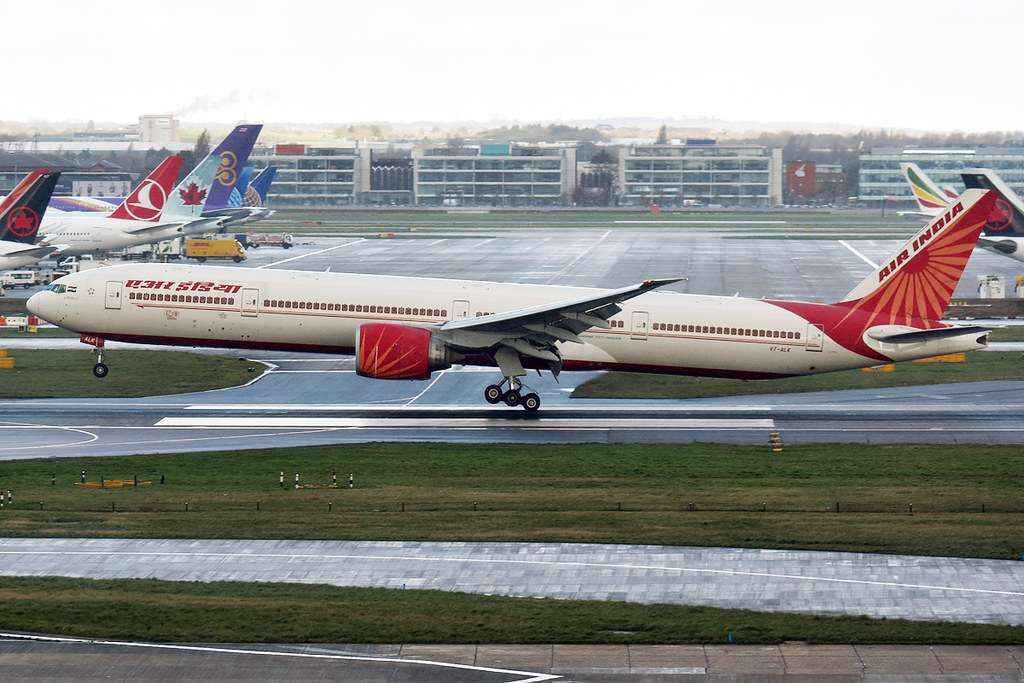
For these factors alone, retaining older aircraft goes against everything the new Air India is attempting to champion; however, with its hands tied and the situations taking place at plane makers out of its control, it can only manage what it is dealt with.
Aircraft like the 777X, 787, A350, and other single-aisle next-generation planes are expected to contribute to growth and renewal efforts. However, their arrivals have become more complex, and aircraft such as the 777X have been substantially delayed.

ABOUT THE AUTHOR
Daniel Fowkes is a Melbourne-based aviation analyst and journalist with over a decade of industry experience. As founder of Dj’s Aviation, he delivers trusted analysis on aircraft, airline strategy and global aviation trends for djsaviation.net
Leave a Reply
Related Articles




Stay Informed
Get the latest aviation news, analysis and route updates delivered to your inbox.
We respect your privacy. Unsubscribe at any time.
Enjoyed this story?
Make us your go-to for aviation news
Add us as a preferred source on Google and see our latest stories first in Top Stories.
Add Us On Your News Feed
We stumbled over here by a different web page and thought I should check things out.
I like what I see so now i am following you. Look forward to
going over your web page for a second time.
I avoid Air India because the planes are filthy and disgusting.
Get some proper cleanliness and hygiene