

An Air India Boeing 787-8 remains on the ground in Birmingham after an incident while completing a landing.
The DGCA, India’s aviation watchdog, is conducting a detailed investigation into the incident, which has left the Air India aircraft on the ground following an incident with the RAT, also known as the Ram Air Turbine.
The incident occurred just a few minutes before the aircraft was scheduled to arrive in Birmingham on a routine flight, AI117, from Amritsar on October 4, 2025.
The Air India RAT Incident
Officials state that the RAT was deployed at 500 feet during the final approach, which is an unusual event and would not typically occur on a routine flight, VT-ANO operating the service in question.
Typically, the Ram Air Turbine is more commonly seen in emergency-related circumstances, as it is deployed during periods when incidents involve electronic or hydraulic failures, as well as engine shutdowns.
Thanks to the RAT, the aircraft can effectively utilise wind speed to generate emergency power, providing the crew with the time required to address delicate situations, such as emergencies.

As a result, for the RAT to be deployed on a typical flight that had been experienced up until that point, no signs of engine, hydraulic, or electrical failure had been observed, making the incident all the more intriguing and why the DGCA will investigate the circumstances around it.
Since the incident occurred, the aircraft has remained on the ground in Birmingham, spending the weekend here as part of ongoing inspections to determine the cause of the RAT deployment.
Those inspections led to actions being taken, such as an incident where the RAT was deployed. The result was that no discrepancies were observed, which cleared the aircraft to return to service after a period on the ground.
When speaking on the matter, the Federation of Indian Pilots said, “It is pertinent to note that the incident is another pointer towards the Air India crash of B-787 aircraft. Thus, in the interest of air safety, FIP insists that DGCA must thoroughly check and investigate the electrical system of B-787 aircraft in the country.”
In fact, the FIP further stated that it was important to realise there had been numerous incidents aboard the 787 aircraft and, as a result, thorough checks on the electrical system should take place on the fleet in the country.
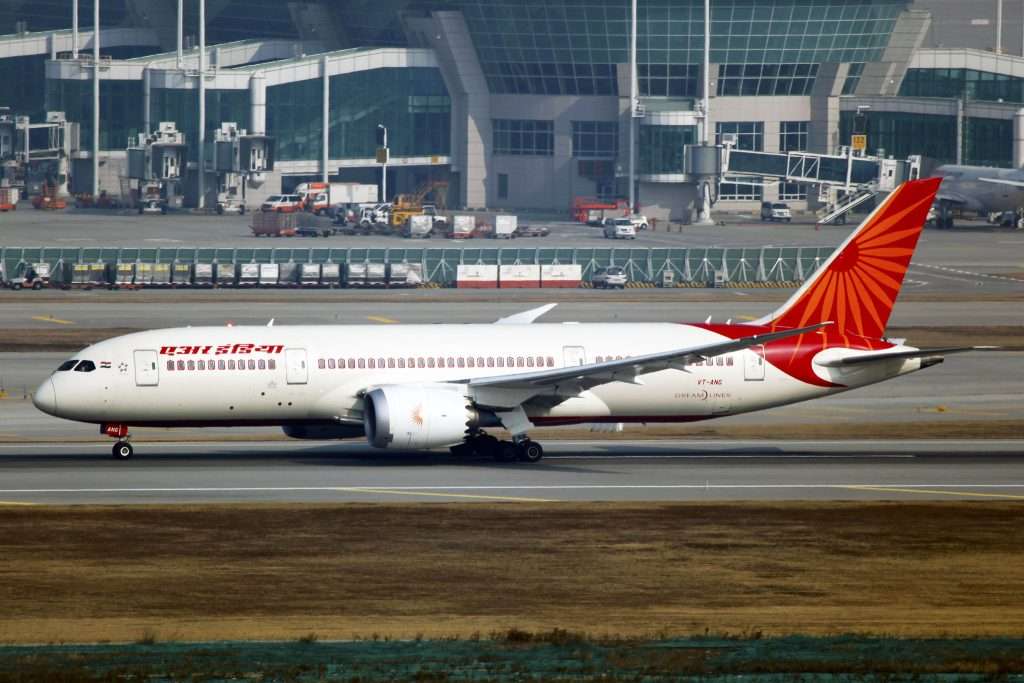
These comments follow the pilot body, also urging the DCGA to review more than just the fuel control switches on the Air India 787 fleet, following the events of the second week of June, which involved a fatal accident aboard the Dreamliner shortly after departure from Ahmedabad.

ABOUT THE AUTHOR
Daniel Fowkes is a Melbourne-based aviation analyst and journalist with over a decade of industry experience. As founder of Dj’s Aviation, he delivers trusted analysis on aircraft, airline strategy and global aviation trends for djsaviation.net
Leave a Reply
Related Articles




Stay Informed
Get the latest aviation news, analysis and route updates delivered to your inbox.
We respect your privacy. Unsubscribe at any time.
Enjoyed this story?
Make us your go-to for aviation news
Add us as a preferred source on Google and see our latest stories first in Top Stories.
Add Us On Your News Feed
Air india is really trying their best to modernise their fleet. An airline which has 100 of flights daily these incidents is normal to be seen