
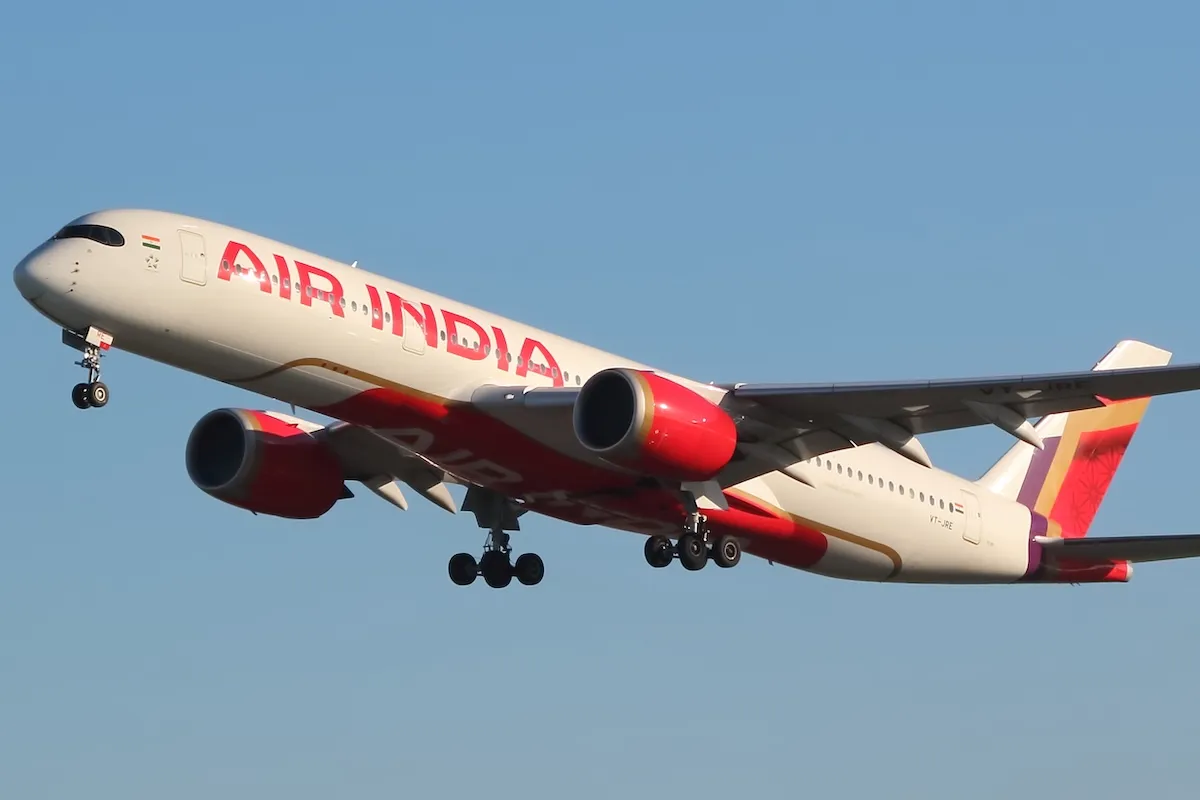
Air India’s rebuild wasn’t expected to be easy, and never had guarantees of success; now, Tata Sons has admitted that the journey’s uncertainty will drag on.
Chairman N. Chandrasekaran has said the transformation should be realistically seen not as a five-year project, but one that has the chance to run for up to a decade, thus putting the 5-10 year timeframe as a more realistic projection to see some reward.
Initially under the Vihaan.Al plan, the sprint was calculated at five years, but warning signs years into this ambitious turnaround persist and slowed progress; losses and headwinds highlight five years as being a step too far.
A Turnaround That Could Last 10 Years, Not Years
In Tata Sons’ latest annual report, Chandrasekaran said that, given where Air India began, a transformation should be a five- to ten-year journey, effectively moving the goalposts.
The Chairman cited years’ worth of supply chain disruptions that have impacted investments and previous forecasting. Those supply chain woes were compounded by the need to overhaul not only legacy systems but a culture so ingrained in the airline and its people that solving this, per some analysts, is a step not possible for generations.
The original programme launched in 2022, a reset aimed at turning the airline around by 2027 with a clear programme encompassing fleet, products and network; however, the latest financials have sent warning signs across the airline about whether any progress has truly been made.
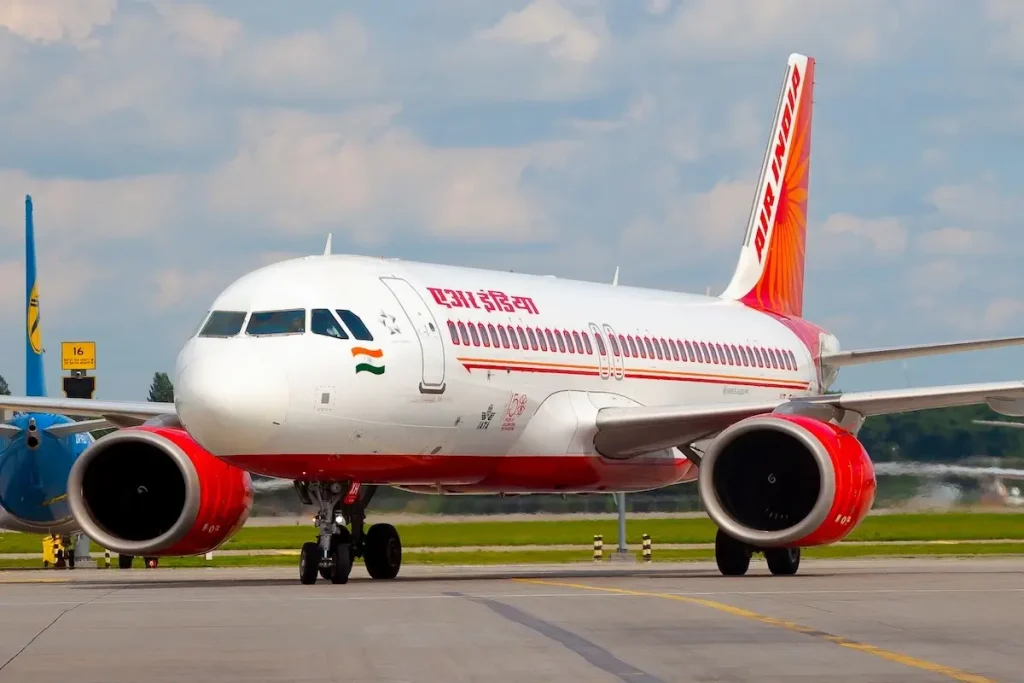
In FY26, the loss for Air India tallied near USD 3 billion, a staggering and unsustainable figure without change. While the loss encompassed one-time costs, it nevertheless showed the true scale of what Tata is battling as new owners and added further fuel to the fire that no turnaround is guaranteed, even with investment.
FY26 has become the most challenging year yet, per the Chairman, with three external hits impacting it: the closure of airspace has forced longer routing, and higher fuel costs linked to the conflict in the Middle East have compounded financial pressures.
The crash of AI171 impacted Air India and its people profoundly not only in terms of traffic, but, per the Chairman, also caused operational disruption and a further stain on a reputation that has already sunk to all-time lows. These factors, on top of a day-to-day operation that is fragile, mean the turnarounds’ break-even point has been pushed further into the future.
A Rebuild That Isn’t Moving In The Right Direction
For Air India, the rebuild was necessary; shackled by the government for an extended period, the neglect fuelled poor culture, safety and care. Tata Group, coming in to save the airline, looked to throw money at the problem, with a new era firmly envisioned.
From new branding to new aircraft, new cabins and upgrades inside the airport, there was a drive to ensure that the company that had been flying with one hand tied behind its back would be able to close the gap to competitors and become a true global force yet again.
However, that hasn’t panned out as intended. Global seat and part shortages have made progress painfully slow for the ongoing retrofits. This heavy investment in older jets to align them closely with the hundreds of new models on order has complicated scheduling, cost and planning. One supplier even walked away, reportedly, with the process restarting at one point.
New aircraft have also been seen as an important solution to the turnaround, but equally the biggest problem. The massive order consisting of 470 Airbus and Boeing planes aimed to transform the fleet has faced certification and production backlogs delaying the handover.
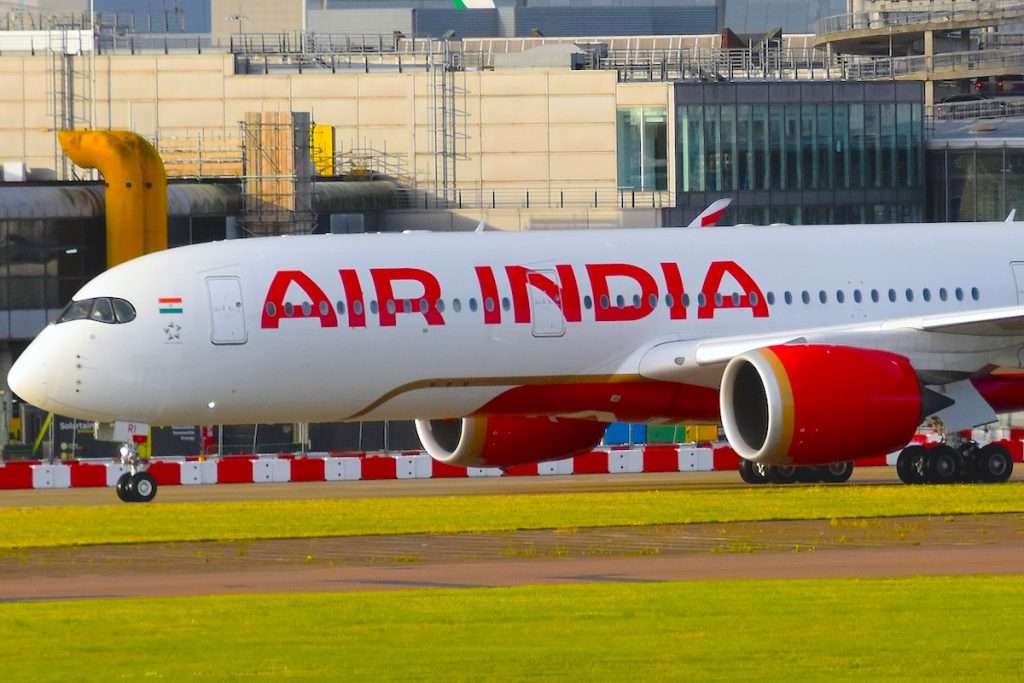
Without new aircraft being made available, Air India has been forced to rely on older, more dated aircraft longer than planned. Those older planes, then paired with a legacy IT and operational backdrop that, while it is looking to be overhauled, has, despite investment, not seen the flag-carrier progress.
Culture and the people that make up Air India are another concern many analysts, and even ownership, have. The long-tenured staff deeply ingrained into the carrier know no different from the prior practices, those practises that brought the airline to the ground, bruised and beaten.
The retraining, rehiring process, and shift in culture isn’t a multi-month or multi-year process, but something that will realistically take decades to change truly, and analysts have concerns about whether this is even possible.
Removing obstacles for the new ownership remains the biggest priority, but with continued pressure points impacting the ability to do this and delaying proceedings, losses continue to spiral. With cuts in flights to Europe, North America, and domestically, this comes off the back of record demand that cannot be met due to a spiralling financial position that, without cuts, risks never being completed.

ABOUT THE AUTHOR
Daniel Fowkes is a Melbourne-based aviation analyst and journalist with over a decade of industry experience. As founder of Dj’s Aviation, he delivers trusted analysis on aircraft, airline strategy and global aviation trends for djsaviation.net
Related Articles




Stay Informed
Get the latest aviation news, analysis and route updates delivered to your inbox.
We respect your privacy. Unsubscribe at any time.
Enjoyed this story?
Make us your go-to for aviation news
Add us as a preferred source on Google and see our latest stories first in Top Stories.
Add Us On Your News FeedRelated articles
· Airlines
Allegiant Air Buys Six More 737-8s From Boeing
Daniel Fowkes
26/10/2026
· Airlines
Emirates vs Qatar Airways: The Gulf Superhub Rivalry Compared
Bryan Shelmon
26/10/2026
· Airlines
Riyadh Air Is Moving Away From Riyadh
Daniel Fowkes
26/10/2026
· Airlines
Emirates Isn’t Worried At All
Daniel Fowkes
25/10/2026