

Air India is undergoing transformative efforts to rebuild its fleet and brand image to elevate the airline again.
However, the airline’s best attempts to secure the delivery of new aircraft are proving substantially more complex than imagined.
Notably, the delivery of new Boeing aircraft to facilitate the ongoing rebuild efforts has become more complex, and Air India is now speaking out on these issues.
Delivering new aircraft is fundamental to any airline’s growth, renewal and sustainability efforts. However, what becomes fascinating is the difference for Air India as their commitment to new planes far exceeds the average company.
The Indian flag carrier has committed to hundreds of aircraft spread across Airbus and Boeing, focusing on narrow and widebody aircraft, to elevate itself once more to be an industry leader with modern and efficient planes.
Air India could secure many aircraft sooner than most thanks to the availability of whitetails that had their originally destined home not come to fruition. The hope of sooner aircraft deliveries was an exciting prospect for an airline attempting to rebuild.
However, Air India has said that focusing specifically on the 737 MAX, which was meant to arrive by December and, thus, by year’s end, will not be possible. At best, the company expects these planes to arrive midway through 2025.
These developments follow comments from Air India’s Chief Executive Officer and Managing Director, Campbell Wilson. This man has been tasked with the challenging job of turning around the company’s image.
While whitetail aircraft are the focus as their arrivals will occur in the short term, it remains not as simple as this. Air India is already looking for planes that are currently or expected to be produced by manufacturers, and there are concerns about Boeing.
The planemaker has been unable to meet deadlines for a considerable period, and a recent multi-month strike action conducted by over 30,000 employees has pushed back output rates further. Meanwhile, increased oversight has prevented production increases and left Air India pondering what’s next.
Furthermore, delays to the 777X have only compounded the uncertainty, with the aircraft not expected to formally enter service until 2026, potentially 2027, for some carriers.
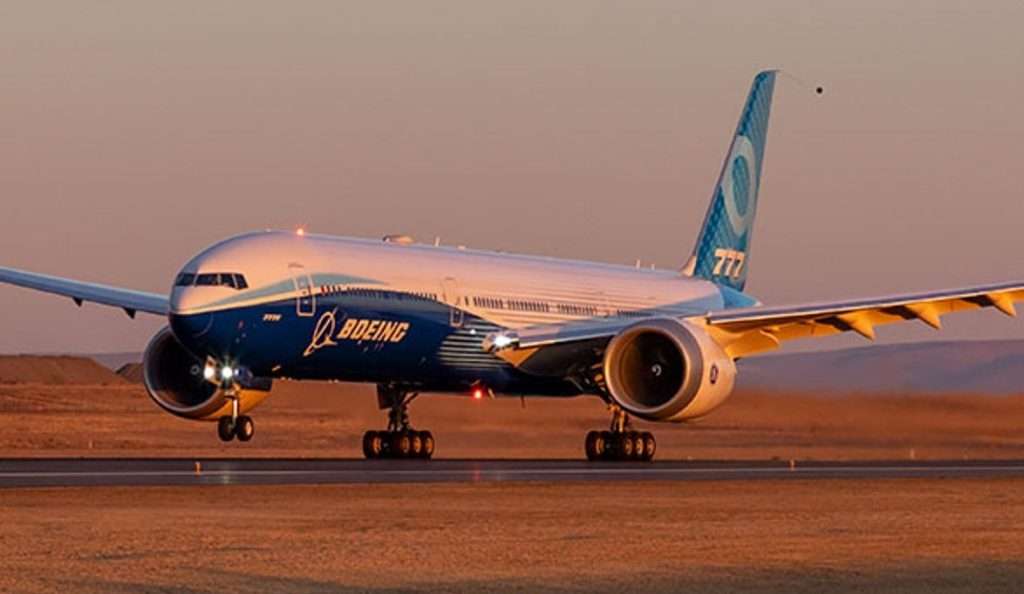
Wilson highlighted this complexity, but there is also much uncertainty about when its new aircraft will arrive. While Air India will be thankful that it won’t shut the business, these jets not arriving on time will still profoundly impact its forecasting and scheduling.
Air India is aware of the delays and knows not much can be done. They feel they’re just another airline impacted and will work with the planemaker to navigate the challenges they may face.
Of course, the airline does highlight that the impact can present complexities to the business. However, its response is vastly different from that of other major international companies that have reacted to the ongoing delays. Others have been far more outspoken and negative.
Air India hopes that if it can continue to adhere to its course, soon, these supply chains, which have had so many issues, will begin stabilising.
If these areas can stabilise and Boeing can begin correcting its wrongs, the airline remains hopeful that deliveries will begin occurring at a far more rapid rate, fuelling renewal efforts and retirement plans for less efficient aircraft.

ABOUT THE AUTHOR
Daniel Fowkes is a Melbourne-based aviation analyst and journalist with over a decade of industry experience. As founder of Dj’s Aviation, he delivers trusted analysis on aircraft, airline strategy and global aviation trends for djsaviation.net
Related Articles




Stay Informed
Get the latest aviation news, analysis and route updates delivered to your inbox.
We respect your privacy. Unsubscribe at any time.
Enjoyed this story?
Make us your go-to for aviation news
Add us as a preferred source on Google and see our latest stories first in Top Stories.
Add Us On Your News Feed