
Air India is keen to add even more aircraft to its backlog, with a new prospective deal being worked on with Airbus and Boeing.
The flag carrier, according to Reuters, is considering a deal that would involve acquiring 200 new aircraft, with a specific focus on single-aisle jets to help develop its short-to-medium-haul division.
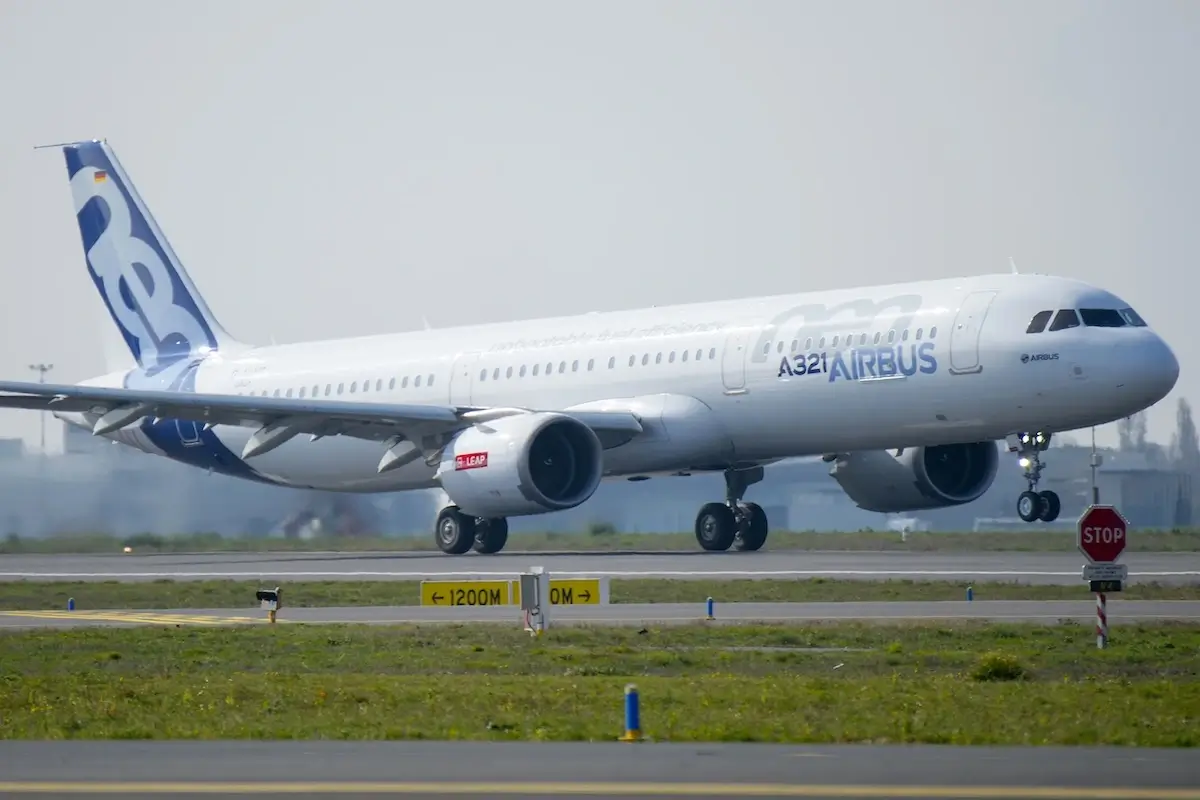
At this stage, the specific aircraft type of interest has not been disclosed; however, the A320neo and 737 MAX family already play a significant role in Air India’s plans and would be the leading choice for consideration.
While interest in the development of the single-aisle division persists, discussions about the airline’s new aircraft purchase also follow, with considerable public interest in extending its widebody commitments.
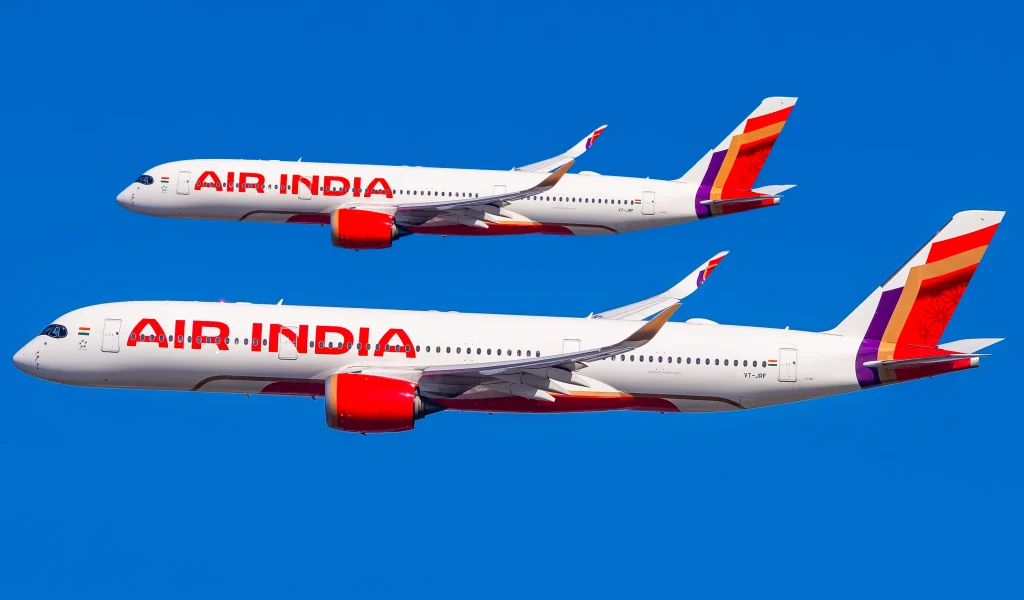
It was only in 2023 that Air India announced one of the largest commercial aircraft orders seen, comprising many wide-body and single-aisle jets, as part of a massive investment worth tens of billions of dollars by the Tata Group.
Now, however, as the industry continues to develop and demand increases, there is a further requirement for new aircraft to be added to the backlog to ensure deliveries can continue into the 2030s, when demand is expected to keep growing.

Air India also faces pressure across the single-aisle market to secure orders now, ensuring delivery slots are reserved for up to 7-10 years in advance.
With so much demand for these types of planes and the backlogs only growing amid continued production and thus output struggles, ensuring that aircraft deliveries are secured now is pivotal.
Unfortunately, suppose airlines like Air India wait until the turn of the decade to purchase planes from the source, namely Airbus or Boeing, rather than through a lessor. In that case, they risk not having any available slots and not obtaining the desired aircraft for a longer period than anticipated.
As a result, these investments, although substantial and excessive, are still viewed as crucial to help carriers such as Air India ensure they have sufficient capacity by the midpoint of the 2030s.
There are obvious risks associated with purchases of this nature, as one is not fully aware of what the next ten years hold. However, for most, the pros outweigh the cons and are therefore worth the investment.
A New Era For Air India
Once followed through on, a new aircraft purchase by Air India will represent just another major investment under new ownership as part of continued rebuild efforts.
This rebuild involves more than just purchasing a new commercial aircraft. However, the importance of this aspect of renewal cannot be understated, according to ownership.
Air India is also heavily committed to retrofitting its interiors in a bid to align more with competition and the standards customers have for onboard cabin products in the 2020s.
Despite this, and the significant investment which has already arrived and is now continuing, it remains an uphill battle to fully turnaround the fortunes of this highly damaged carrier, which has seen its brand reputation drop to all-time lows after many years of neglect.

New ownership is hopeful that the investments will pay off. Still, the reality is that systemic issues also need to be resolved, beyond just new aircraft and cabins, to ensure these are maintained and customer service remains at the forefront.
As emerging competition, such as IndiGo, which will operate wide-body aircraft, arrives, and others also pose a threat to Air India’s market share, the turnaround isn’t guaranteed. However, for this flag carrier, there remains no other option but to succeed in its endeavours.

ABOUT THE AUTHOR
Daniel Fowkes is a Melbourne-based aviation analyst and journalist with over a decade of industry experience. As founder of Dj’s Aviation, he delivers trusted analysis on aircraft, airline strategy and global aviation trends for djsaviation.net
Related Articles




Stay Informed
Get the latest aviation news, analysis and route updates delivered to your inbox.
We respect your privacy. Unsubscribe at any time.
Enjoyed this story?
Make us your go-to for aviation news
Add us as a preferred source on Google and see our latest stories first in Top Stories.
Add Us On Your News Feed