

The Boeing 757, introduced in the early 1980s, remains a workhorse, with airlines globally still flying the series. So why did the aircraft manufacturer end production for customers after multiple years of building the aircraft?
Boeing 757s Success
After what was described as a slow start, the Boeing 757 enjoyed substantial success within the market. The success can be attributed to its versatility and ability to operate from various airports.
Boeing identified a gap in the market for an aircraft capable of carrying a decent number of passengers over medium distances. This gap in the market couldn’t be achieved through the early 737 designs or a plane as large as the 747 or the 767 either.
The 757 was the solution to interest and a gap in the market and would go on to replace the 727 as well. The series would come equipped with just two engines, and Boeing would hope the type would stick the landing, to which analysts would determine it did.
Ultimately, the 757’s commonality with the 767 meant it saw the sharing of cockpit and systems. Customers operating the two aircraft types, therefore, saw additional benefits. The joint operation of the 767 and 757 was seen visibly within the United States.
The Boeing 757 Comes To An End
Despite enjoying substantial success in the market, the aviation industry evolved, and the Boeing 757 aged. With the evolution in the market, customers’ needs for aircraft were adjusted, and the place of the Boeing 757 began to be questioned. This is often described as a circle of life.
The development of the Boeing 737 Next Generation (NG) series further narrowed the gap that the 757 had once filled. This inherently isn’t bad for the plane maker, especially considering it was, in this case, an aircraft type they launched that was seeing question marks for an older one.
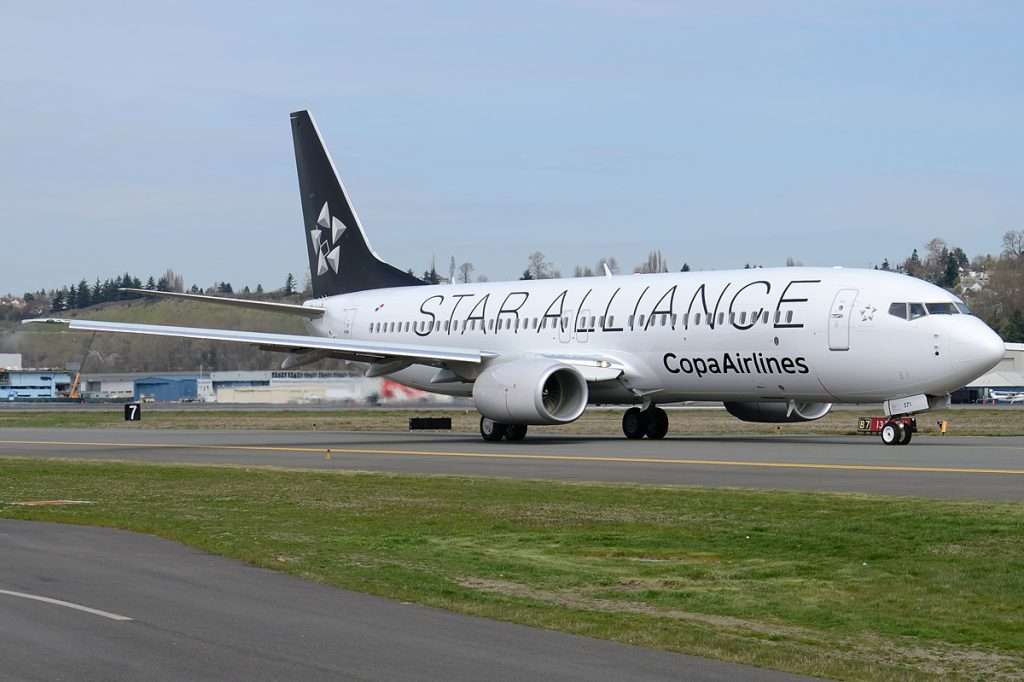
These newer models, benefiting from advancements in engine technology and aerodynamics, could fly longer distances and accommodate a similar passenger capacity. Even if capacity was to be less at times, they were deemed a worthy selection for the airline industry.
New Aircraft Focus
In addition to the 737’s advancements, Boeing’s focus on developing other new aircraft made the 757’s future uncertain.
The Dreamliner introduced a new era of long-haul travel, offering airlines improved fuel efficiency, passenger comfort, and increased range, all of which were at a fraction of the costs associated with operating the 757.
Was the 787 the 757 replacement? No, but it did present an upgrade that was worth it for some airlines. Airlines began to favour other options either released or being worked on for the niche that the 757 filled.
Boeing Says Goodbye To The 757
Boeing eventually discontinued the 757 production, which many said was influenced by the decisions touched on in the early 2000s.
However, ultimately, a last push and a failed new variant, the 757-300, would slam the nail on the head for the program. There was a lack of customer interest at the time for the 757, especially a further stretch.
Additionally, there was the belief that those who required the 757 capabilities had already ordered the aircraft and were operating it. With that in mind, there was no need for further orders to be placed.
A New 757?
While the 757 is no longer in production, the aviation community desperately desires its return or a modern equivalent, say in a MAX or X form. Many airlines and industry experts recognise the unique capabilities of the 757, which is why it was so loved back in the day and believe there’s potential for a new iteration.
Many of these calls for the 757’s return would come towards the 2020s when Airbus’ advancements within the market would see the lack of a dedicated 757 replacement highlighted.
Boeing would eventually release the 737 MAX, and these variants were another further upgrade to the 737NG mentioned. These planes can do a job for several airlines, but they weren’t a like-for-like replacement to the 757. The 787 also presented questions for airlines, but in the same capacity, this couldn’t be deemed as an ideal replacement either.
Airbus Advances With Their A321neo
Over at European plane maker Airbus, their development of an A321 series can also be viewed as an adequate means to replace the 757.

However, the A321 works for only some companies, not all. Customers such as Delta emerge as one that still flies the 757 extensively. However, they’ve struggled to find a like-for-like replacement.
Delta has a strong commitment towards the A321neo family; however, critical executives at Delta are in a position where no matter what aircraft they order, they’ll never be able to replicate the 757. While some argue Delta needs to find ways to adapt, their feeling can’t be ignored.
To Conclude
In summary, Boeing ended production on the 757 for several reasons that analysts would argue came at the right time, given the lack of demand for such a type.
As the 2020s approached, however, those in the camp believed a new 757 would’ve worked in the market to fend off interest in the Airbus A3201neo.
Boeing would eventually reject a new middle-of-the-market aeroplane, instead heading back to the drawing board in the 2030s when newer and more groundbreaking technology is available.
The 757 is the little pocket rocket that could. Maybe nostalgia fuels the desire for a new iteration, or maybe there’s a need somewhere for such a type to build.
Still, it’s costly and not optimal for so many decades following the closure of production to resume a line. For the 757, though, the fact two decades on, it remains such an essential part of airline fleets speaks volumes about the legacy it’s building for itself.

ABOUT THE AUTHOR
Daniel Fowkes is a Melbourne-based aviation analyst and journalist with over a decade of industry experience. As founder of Dj’s Aviation, he delivers trusted analysis on aircraft, airline strategy and global aviation trends for djsaviation.net
Leave a Reply
Related Articles




Stay Informed
Get the latest aviation news, analysis and route updates delivered to your inbox.
We respect your privacy. Unsubscribe at any time.
Enjoyed this story?
Make us your go-to for aviation news
Add us as a preferred source on Google and see our latest stories first in Top Stories.
Add Us On Your News Feed
I understand it’s a country specific question, but why are there so many unresolved issues with the 757 in service with the Royal New Zealand Air Force. As this was one of the last 757’s built, it seems strange that much older aircraft are still in operation. Is it a lack of spare parts, or is it through incorrect maintenance. Thankyou.
what did the 757’s purpose fill that made it so valuable but limited? this article told me not much.