
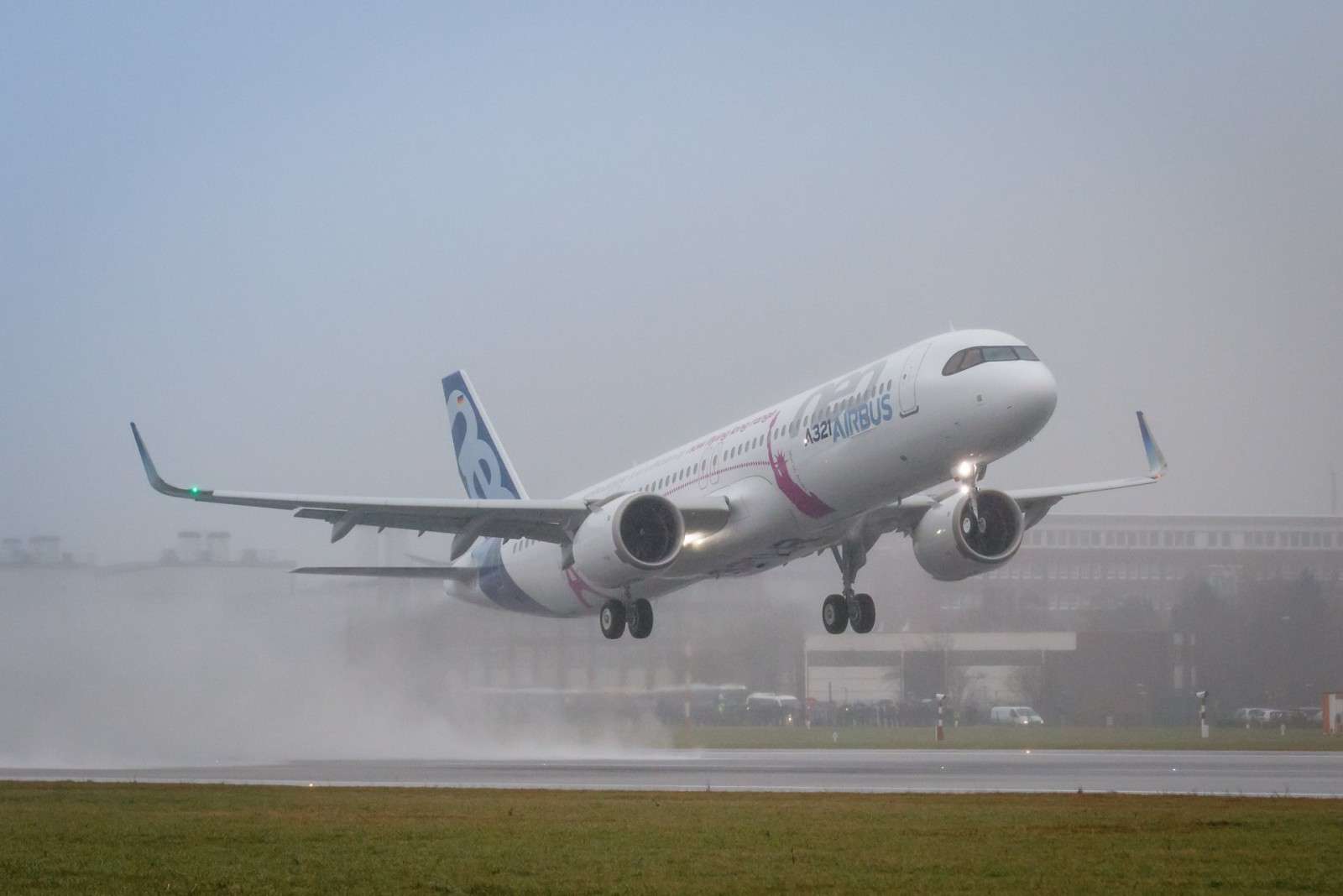
Vietnam Airlines is seeking 20 to 25 Airbus A321neos in a desperate attempt to secure the best-selling aircraft annually and reestablish low-cost operations.
The Vietnamese flag-carrier, which has faced strong domestic competition over the years, has consequently seen increased pressure on its market position and now needs to respond.
These Airbus A321neos would be part of Vietnam Airlines’ two-brand strategy, aiming to remain a full-service carrier while using the A321neo to develop more affordable short- to medium-haul operations.
With production slots for the A321neo limited, availability is a concern for the business; current discussions reportedly centre on the leasing market to secure these aircraft sooner rather than later.
High-density Airbus A321neos with 240 seats
Reports in the last week were the catalyst for Vietnam Airlines’ reported interest in the A321neo, and the expected configuration is high-density.
Vietnam Airlines hopes to order 20 to 25 single-aisle jets with 240 seats. For now, discussions with lessors are ongoing to identify available options, and the total units and jet sources are subject to change.
The 240 seats beyond the hoped-for A321neo acquisition matter for the airline and the Vietnamese domestic market, as they signal an intent to put capacity front and centre in these operations once they launch.
The high-density cabin would allow the airline to spread costs across a larger customer base, which is vital for most low-cost profiles, whether for an airline with this type of division or one dedicated to low-cost flights.
Vietnam Airlines forced to respond
Vietnam Airlines’ heightened pursuit of the Airbus A321neo comes not simply because of the jet’s capabilities or a need to replace older aircraft, but because domestic competition has driven the need to respond.
Approval for this strategy isn’t new; shareholders previously approved allowing the airline’s two brands to operate, full-service and then complemented by budget operations. The full-service angle is covered; the budget needs addressing.
Flight schedule data show that Vietnam Airlines accounts for just over a third of the domestic market share monthly, but VietJet is at 40%, and the emerging Sun PhuQuoc, despite having launched only recently, has already hit 15% of the market share.
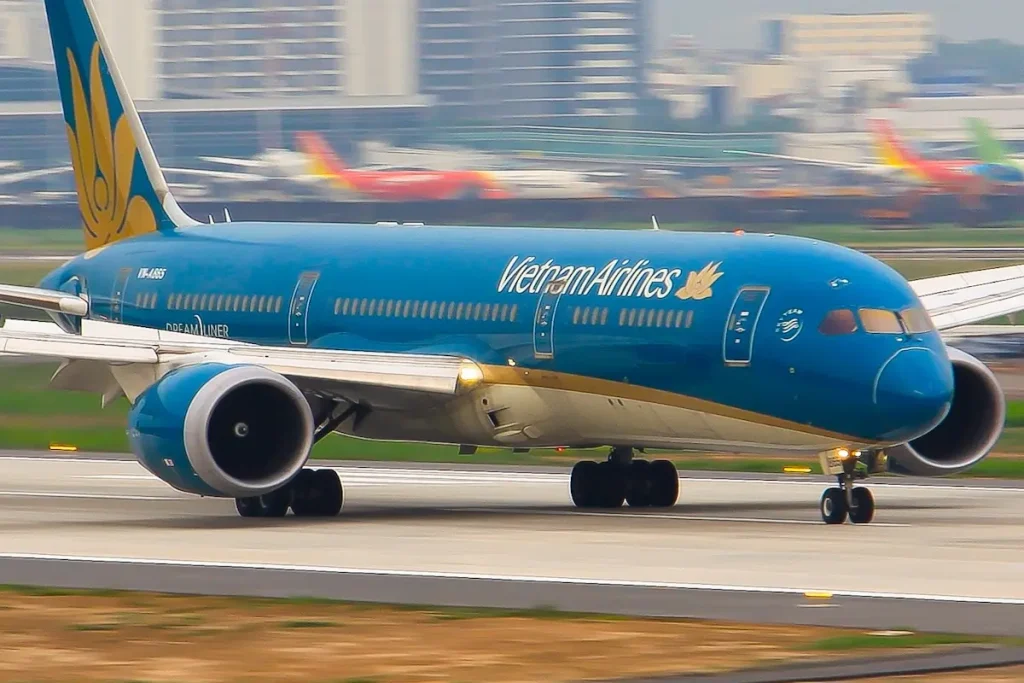
If Vietnam Airlines doesn’t respond and its competitors keep finding ways to advance, the threat of its long-established market share being eroded will continue well into the coming years.
A budget brand for Vietnam Airlines would therefore give it a separate platform to compete better in these price-sensitive markets, where competitors like VietJet have advanced rapidly in recent years, without diminishing the full-service brand’s role.

ABOUT THE AUTHOR
Daniel Fowkes is a Melbourne-based aviation analyst and journalist with over a decade of industry experience. As founder of Dj’s Aviation, he delivers trusted analysis on aircraft, airline strategy and global aviation trends for djsaviation.net
Related Articles




Stay Informed
Get the latest aviation news, analysis and route updates delivered to your inbox.
We respect your privacy. Unsubscribe at any time.
Enjoyed this story?
Make us your go-to for aviation news
Add us as a preferred source on Google and see our latest stories first in Top Stories.
Add Us On Your News FeedRelated articles
· Airlines
Allegiant Air Buys Six More 737-8s From Boeing
Daniel Fowkes
26/10/2026
· Airlines
Emirates vs Qatar Airways: The Gulf Superhub Rivalry Compared
Bryan Shelmon
26/10/2026
· Airlines
Riyadh Air Is Moving Away From Riyadh
Daniel Fowkes
26/10/2026
· Airlines
Emirates Isn’t Worried At All
Daniel Fowkes
25/10/2026