
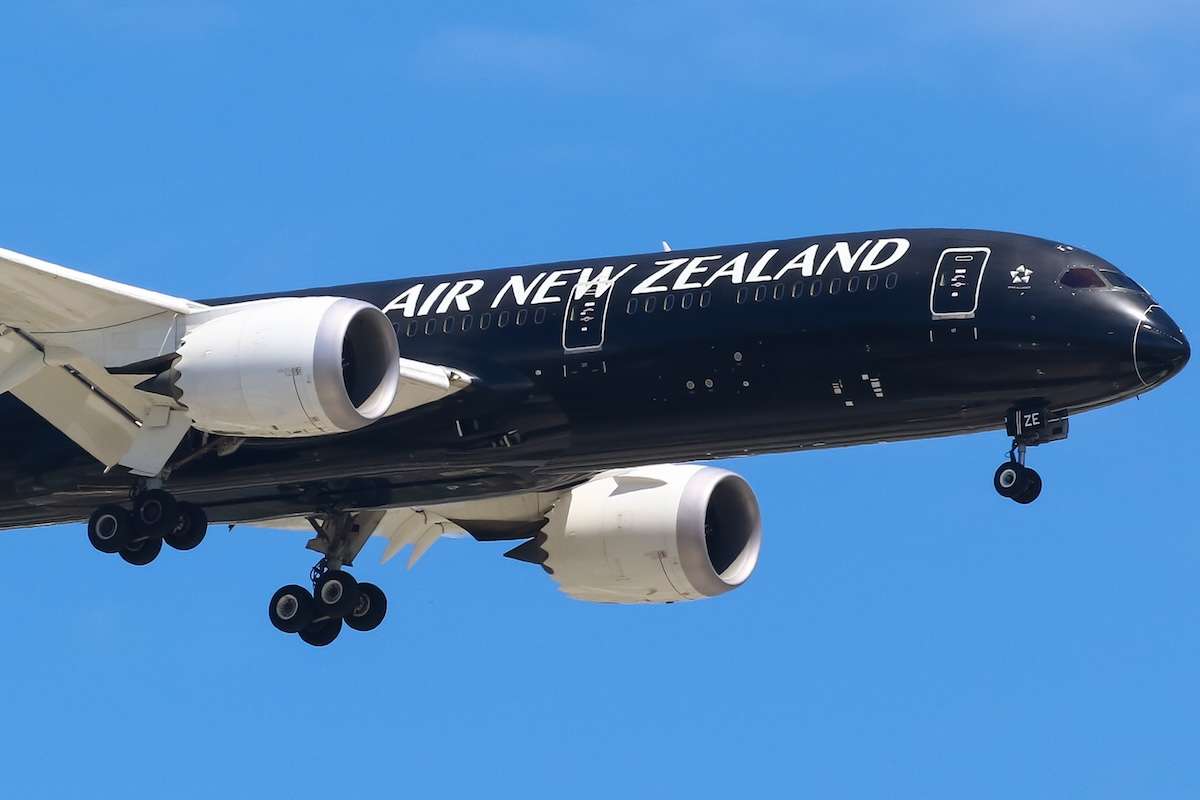
Air New Zealand has all but confirmed that it is in active discussions with Boeing to rephase deliveries from its future 787 backlog to ease cost pressures.
The flag carrier confirmed the news as it seeks a smoother pathway through the coming years and to reduce its capital spending programme after reporting a NZD 336 million pre-tax loss for the 2026 financial year.
Boeing 787 contracts are not intended to be removed from the order book as part of the rephasing efforts. Air New Zealand still believes the aircraft it committed to will be highly useful; however, delivery timing is the key issue.
Delaying delivery of these next-generation Boeing widebodies would give greater flexibility over aircraft payments and capital expenditure, helping rebuild capacity and the balance sheet after not just a turbulent last 12 months but broadly the past decade.
Boeing 787s Under Review By Air New Zealand
According to Air New Zealand’s 2026 annual results investor presentation, negotiations have opened on the delivery profile of Boeing 787 aircraft expected in the short to medium term to smooth capital investment while still supporting growth.
The airline’s published fleet plan was based on expected rather than contracted deliveries, with two 787 deliveries across the 2027, 2028 and 2029 financial years, followed by one unit in 2030. Further deliveries are then also expected beyond 2031.
Air New Zealand is expected to take delivery of a mix of variants, with the 787-9 continuing to be handed over and a variant the business is familiar with; However, the largest 787-10 has yet to make its debut and is part of an order book aimed at overhauling the long-haul widebody fleet.
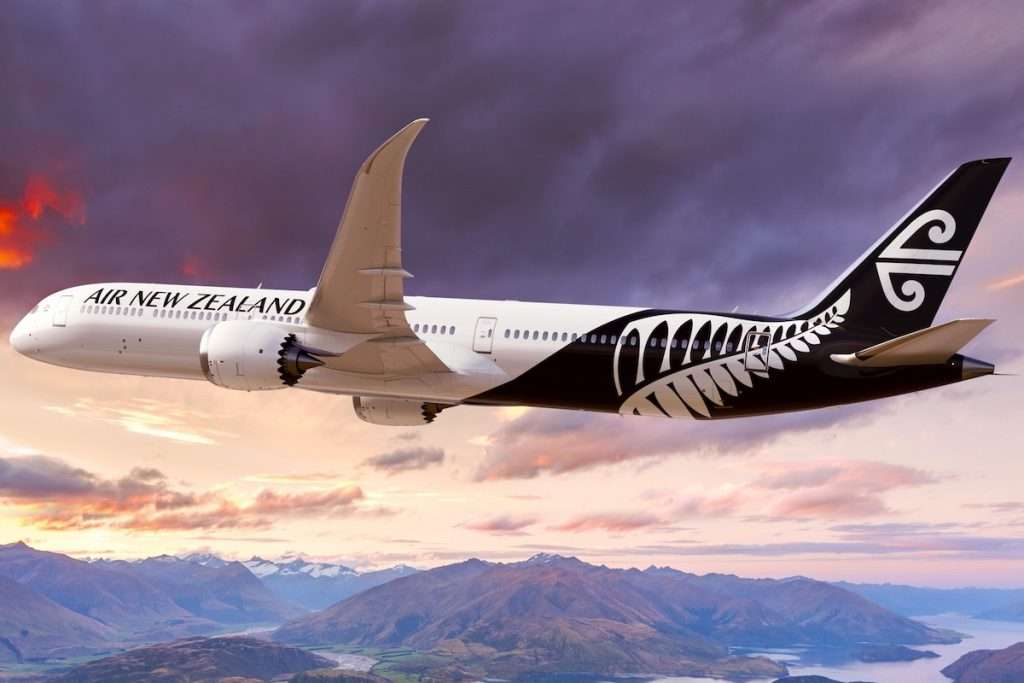
At the end of the financial year on 30 June 2026, Air New Zealand said it operated 14 Boeing 787-9s that averaged 9.8 years old and were powered by the at-times troublesome Rolls-Royce Trent 1000 engines.
The powerplant will change with new deliveries from 2027, which are expected to use GE Aerospace GEnx engines, after Trent 1000-related availability issues have affected the airline since its first 787 delivery a decade ago.
For now, the programme at Air New Zealand remains intact, but discussions are progressing and are expected to change. The airline is expecting to take delivery of two new 787s in the 2027 financial year to support a planned 2% to 4% improvement in available seat kilometres in long-haul capacity.
Specifically, these Boeing 787s are expected to help restore previously grounded widebody capacity and help offset the impact of the ongoing 787 cabin retrofit programme, which will then be followed by 777-300ER cabin refreshes, leaving units out of action for extended periods while work is conducted.
Air New Zealand Pressures Force Negotiations
Reshaping delivery windows under existing contractual commitments is not uncommon as the industry and its airlines evolve; shifting operating climates can quickly make terms signed half a decade ago outdated.
In Air New Zealand’s case, the ability to rephase deliveries gives it a vital mechanism to better align capital expenditure with operating conditions and expected demand. This year, the consideration has become more pressing as losses from volatility and rising operating costs have compounded pressures.
A year initially expected to bring only a handful of complications, including an engine disruption, saw the outbreak of conflict in early 2026, a jump in fuel inflation, and other cost pressures, weakening profitability and increasing net debt.
Air New Zealand is forecasting around NZD 2.7 billion in investment in its aircraft and associated assets through 2031. The presentation said the rephasing would help manage outgoings but will not cut overall deliveries, as these planes are still needed for growth in the 2030s.
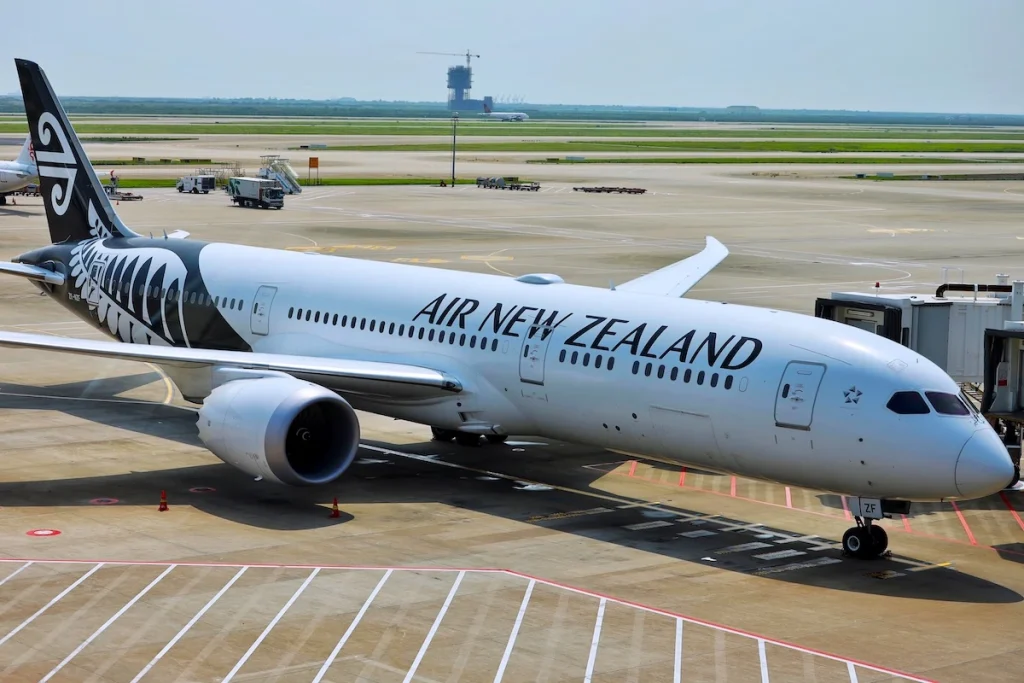
Net debt increased from NZD 1.080 billion to NZD 1.942 billion over the year, which was a cause for concern, with net debt rising well above the targeted range. The planned 787 deliveries are therefore subject to recalibrating fleet expansion and retirement plans to improve the bottom line.
Air New Zealand still sees targeted growth across specific markets, and this remains a priority, with strong expansion already announced for its 2027 network plan from Christchurch, with three international routes to Tokyo, Singapore and Perth, made possible by new 787 deliveries.
However, the airline will need to reassess the pace of deliveries and ensure this does not further increase capital expenditure and push debt higher.

ABOUT THE AUTHOR
Daniel Fowkes is a Melbourne-based aviation analyst and journalist with over a decade of industry experience. As founder of Dj’s Aviation, he delivers trusted analysis on aircraft, airline strategy and global aviation trends for djsaviation.net
Related Articles




Stay Informed
Get the latest aviation news, analysis and route updates delivered to your inbox.
We respect your privacy. Unsubscribe at any time.
Enjoyed this story?
Make us your go-to for aviation news
Add us as a preferred source on Google and see our latest stories first in Top Stories.
Add Us On Your News FeedRelated articles
· Airlines
Allegiant Air Buys Six More 737-8s From Boeing
Daniel Fowkes
26/10/2026
· Airlines
Emirates vs Qatar Airways: The Gulf Superhub Rivalry Compared
Bryan Shelmon
26/10/2026
· Airlines
Riyadh Air Is Moving Away From Riyadh
Daniel Fowkes
26/10/2026
· Airlines
Emirates Isn’t Worried At All
Daniel Fowkes
25/10/2026