
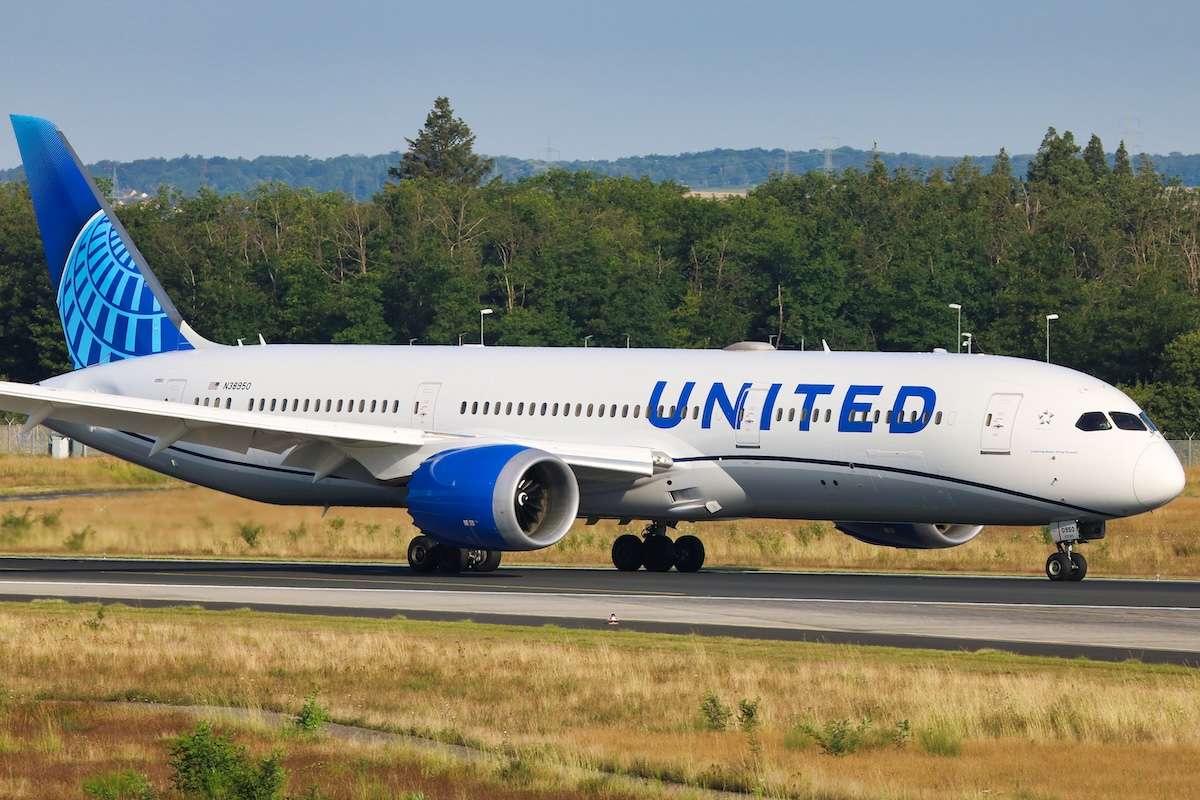
United Airlines chief executive Scott Kirby has reaffirmed his stance that a possible transformative merger with a fellow U.S. carrier could happen if conditions are right.
The openness to consolidation follows two reported approaches by United executives over the last 12 months to rivals Delta Air Lines and American Airlines about combining the airlines into a mega U.S. carrier.
While both pushes by Kirby were rejected and never progressed beyond preliminary discussions, the appetite and attempts to open discussions highlighted the direction United Airlines wanted to take to close the gap with foreign carriers, if possible.
Kirby, while again ruling out a possible combination with smaller airlines like JetBlue, has continued to note that other larger airlines are of interest, as it targets a broader network as it expands several U.S. hubs over the coming decades.
The view that smaller airlines are not of interest for a complete combination remains the same; speaking with CNBC, he said that considering buying a carrier would require a deal of far greater scale, but that doesn’t mean partnerships with JetBlue at New York John F. Kennedy International Airport (JFK) cannot still be beneficial.
United Airlines Pursues Major Airline Mergers
United Airlines’ merger interest became public earlier this year when Kirby confirmed he had approached American Airlines about a possible combination. Although American Airlines rejected the approach, the idea sparked headlines globally and signaled Kirby’s intent.
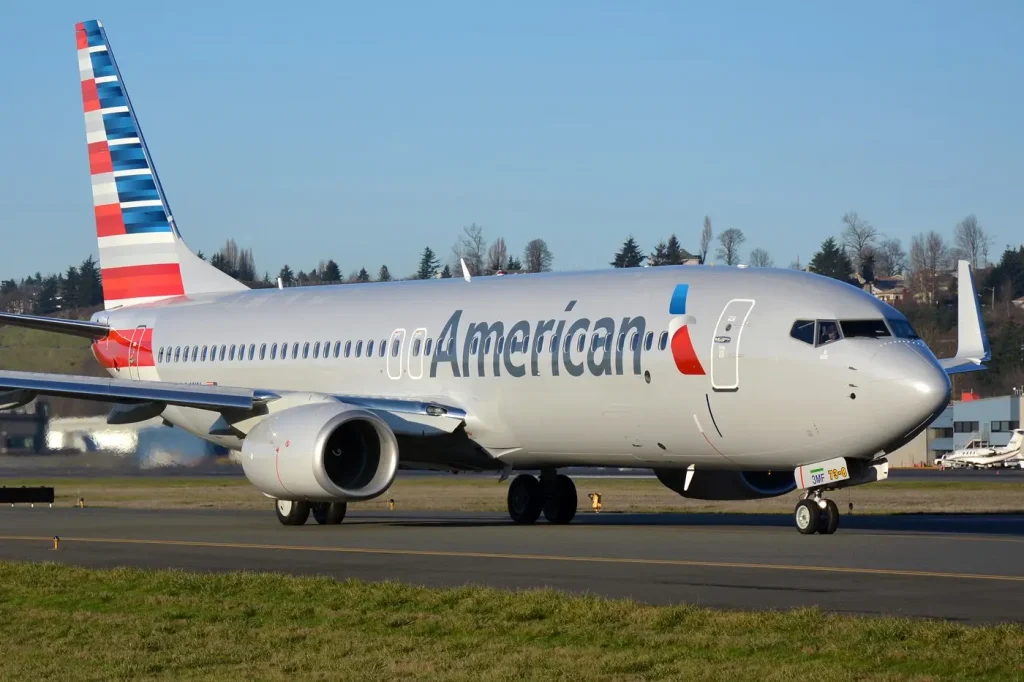
American Airlines CEO Robert Isom quickly rejected the prospect of consolidation, despite his airline falling behind United Airlines in the 2020s and currently playing catch-up on customer satisfaction and finances. Isom argued that the deal, if pursued, wouldn’t benefit customers or his airline and would also be anti-competitive.
Reports following United Airlines’ approach to American Airlines then revealed earlier discussions Kirby had held with Delta Air Lines about a similar combination. According to people familiar with the matter, a combination would have created an airline able to capture nearly 50% of the U.S. domestic market alone and would have instantly sparked antitrust concerns.
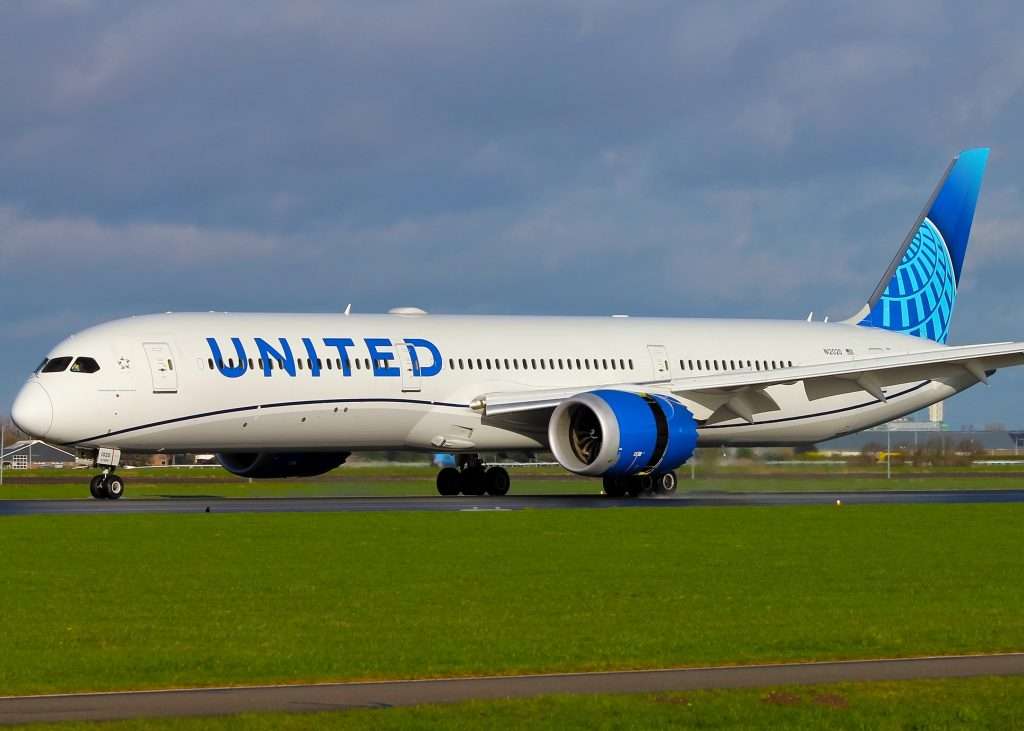
Delta similarly didn’t pursue the proposal. While American rejected the proposal and Delta also showed no interest, United’s merger pursuit ran out of potential candidates. However, Kirby’s latest comments to CNBC suggest the appetite hasn’t disappeared completely, even if no willing candidate remains.
United Airlines’ pursuit of other U.S. carriers for a merger is only one component; the argument is also that ongoing antitrust scrutiny would challenge any prospective consolidation effort, with JetBlue’s deal to merge with the now-collapsed Spirit Airlines also blocked in 2024 by the U.S. Department of Justice.
JetBlue Does Not Fit With United
After Alaska Airlines’ successful acquisition of Hawaiian Airlines, Spirit Airlines’ collapse, rejections by the other two airlines, and the big three of American Airlines and Delta Air Lines both rejecting United’s advances, JetBlue has often been positioned as a candidate for a mega merger.
JetBlue has struggled financially through the 2020s and, on several occasions, has been reported to be interested in possible partnerships, including potential takeovers that would help it remain a presence in the industry rather than remain independent.
While JetBlue has expanded in Florida and faces its own struggles, Kirby has repeatedly said JetBlue’s U.S. presence does not address the structural gaps in United Airlines’ network, ruling out a merger.
JetBlue’s New York access has been useful to United Airlines. However, United still needs stronger coverage in South America and the southeastern U.S., which JetBlue cannot provide, so a full merger makes little sense.
Kirby has pointed to markets such as Miami, where American Airlines held more than 60% of the domestic market in 2025. These are the types of locations where the airline hopes to break in, disrupt the market, and take share from more dominant operators.
According to Kirby, acquiring a smaller airline such as JetBlue would not necessarily provide the hub scale or international feed United needs to be truly competitive. Kirby has often likened his pursuit of rival U.S. carriers of scale to the rise of Middle Eastern airlines, and to creating an equivalent that can push back against foreign companies taking market share.
JetBlue’s strengths are concentrated in the Northeast, now Florida and the Caribbean, and leisure destinations. Its network has long overlapped closely with United Airlines rather than filling a targeted geographical gap.
Ultimately, a partnership with JetBlue can be beneficial, but the antitrust risks, costs and resource demands of a merger, given the lack of network gaps it would fill, would make a transaction not worthwhile.

ABOUT THE AUTHOR
Daniel Fowkes is a Melbourne-based aviation analyst and journalist with over a decade of industry experience. As founder of Dj’s Aviation, he delivers trusted analysis on aircraft, airline strategy and global aviation trends for djsaviation.net
Related Articles




Stay Informed
Get the latest aviation news, analysis and route updates delivered to your inbox.
We respect your privacy. Unsubscribe at any time.
Enjoyed this story?
Make us your go-to for aviation news
Add us as a preferred source on Google and see our latest stories first in Top Stories.
Add Us On Your News FeedRelated articles
· Airlines
Allegiant Air Buys Six More 737-8s From Boeing
Daniel Fowkes
26/10/2026
· Airlines
Emirates vs Qatar Airways: The Gulf Superhub Rivalry Compared
Bryan Shelmon
26/10/2026
· Airlines
Riyadh Air Is Moving Away From Riyadh
Daniel Fowkes
26/10/2026
· Airlines
Emirates Isn’t Worried At All
Daniel Fowkes
25/10/2026