
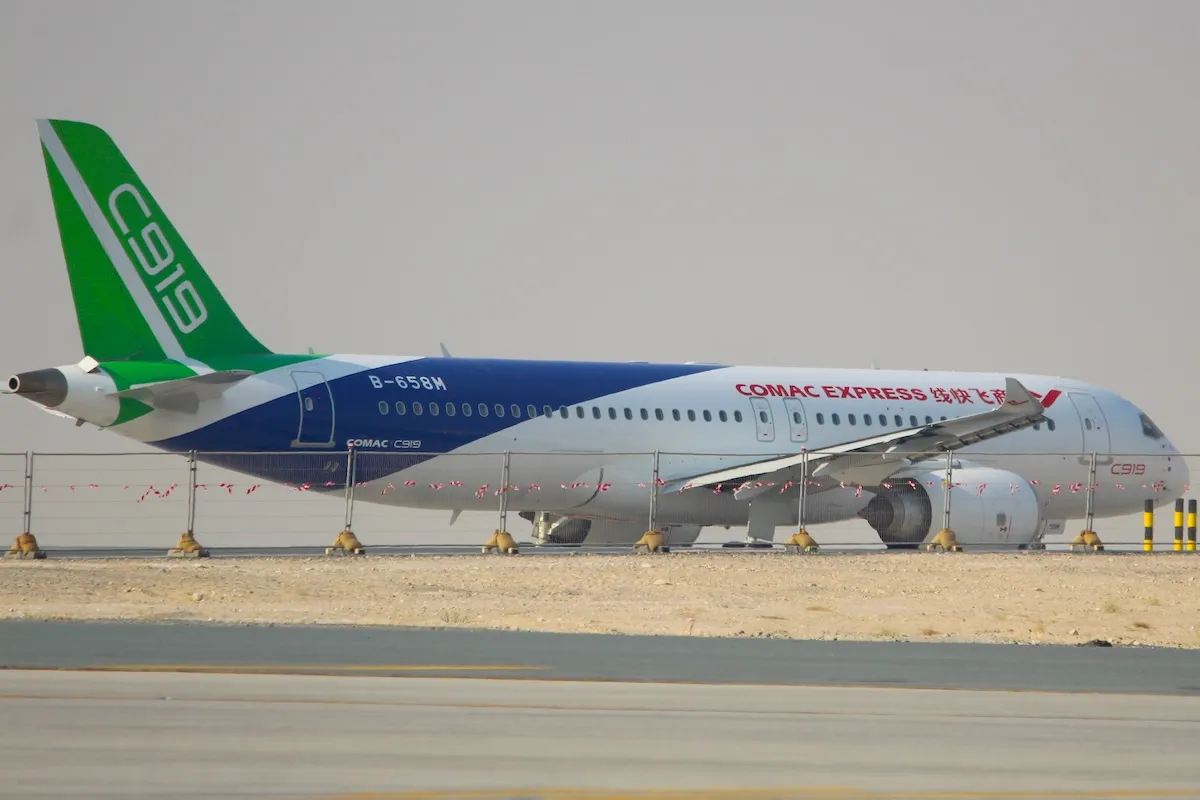
Airlines are interested in the COMAC C919; however, supply chain constraints and production problems are hampering current and potential acquisition efforts.
Shenzhen Airlines wants to introduce the C919 to its fleet. One of China’s larger carriers operates hundreds of aircraft across its domestic and regional network, including regional and long-haul routes, and its parent, Air China, also plans to add the C919 to its fleet.
Speaking with the South China Morning Post, Xiong Taotao, Shenzhen Airlines’ deputy president for engineering and technology, said the airline hopes to launch C919 operations in the near term.
However, while Air China has bought the C919, Shenzhen Airlines has not announced a formal order or allocation plan. The appeal is logical, however, given the airline’s position in the Air China Group.
Air China’s order for 100 aircraft could provide Shenzhen Airlines with a source of C919s as deliveries expand, although no allocation has been announced. Allocating orders further down the line is common among airline groups, including Lufthansa Group and Air France-KLM, which do something similar.
Loong Air has also expressed interest in the C919, with no order announced and a fleet of Airbus A320-family aircraft, giving COMAC two new airlines looking to expand their relationship with its answer to the A320 and 737 families; however, problems exist.
COMAC Has Its Hands Tied Behind Its Back
Demand for COMAC outside China has been a pressing concern, preventing its push into Western markets, but even among Chinese customers, worries remain about its supply chain and manufacturing output.
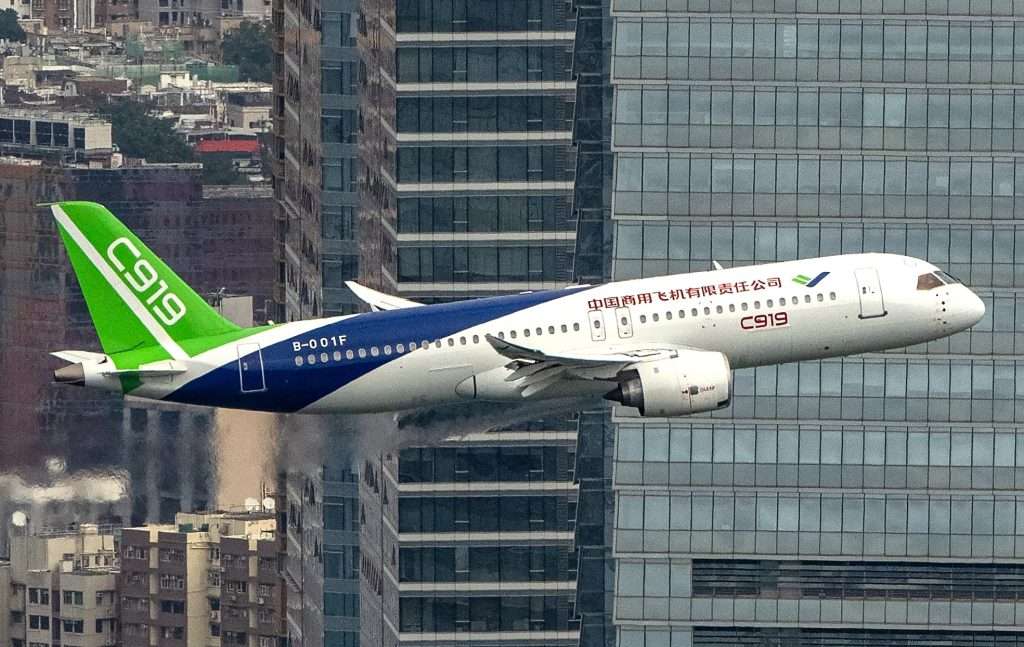
The C919 has only been delivered 42 times, including a reported 10 aircraft in the first even months of 2026, according to the SCMP. These figures follow a similarly poor 2025 for commercial aircraft deliveries, as delays and other issues made handovers harder.
With production speed a key problem in getting certain airlines to operate the type, issues centred on the international supplier base, as engines such as the CFM International LEAP-1C, along with other systems sourced from Western manufacturers, face their own supply constraints.
A Chinese aviation expert, Wang Jian, told SCMP that the engines, which are no longer subject to US export restrictions, are no longer the primary constraint. However, shortages of other components have now taken on the engine bottleneck role and are constraining output growth.
While Airbus and Boeing, the two leading commercial aircraft manufacturers, also face their fair share of production challenges, an emerging Chinese aircraft manufacturer trying to challenge the duopoly faces clear concerns about its lack of scale and ability to increase output.
COMAC is seeing interest in its C919, and while that interest is not coming from Western airlines, it is moving forward with EASA certification, albeit more slowly than expected. While certification will be an important next step, it still does not guarantee adoption from airlines outside of China.

If COMAC is not able to stabilise its production, which faces significant challenges given its geographic positioning, sanctions, and established pressures, then expanding beyond its home market and neighbouring regions will forever represent something not overcome.
Ultimately, even with Chinese certification removing the regulatory barrier, production challenges still affect existing aircraft customers, even with the necessary approvals to fly. For COMAC, the teething issues of being a new market entrant remain and must be overcome to give the business the best chance of succeeding in its long-term ambitions.

ABOUT THE AUTHOR
Daniel Fowkes is a Melbourne-based aviation analyst and journalist with over a decade of industry experience. As founder of Dj’s Aviation, he delivers trusted analysis on aircraft, airline strategy and global aviation trends for djsaviation.net
Related Articles




Stay Informed
Get the latest aviation news, analysis and route updates delivered to your inbox.
We respect your privacy. Unsubscribe at any time.
Enjoyed this story?
Make us your go-to for aviation news
Add us as a preferred source on Google and see our latest stories first in Top Stories.
Add Us On Your News Feed