
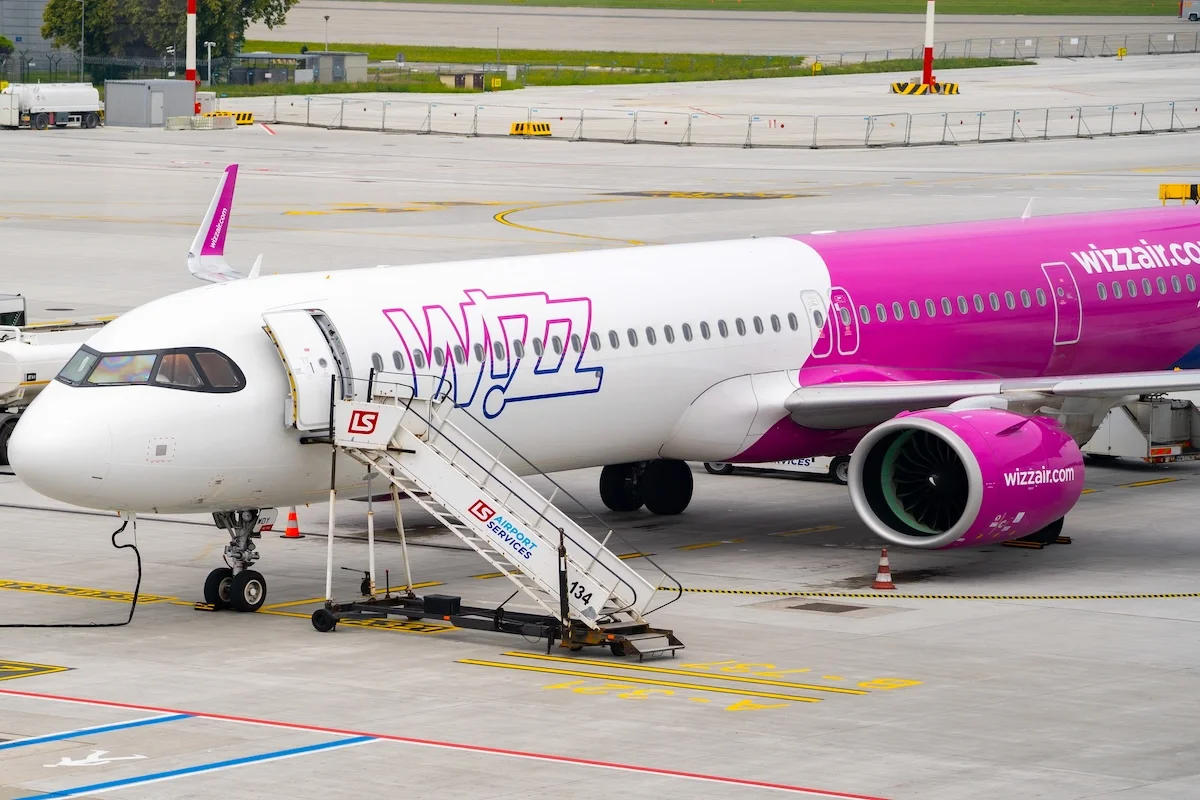
Wizz Air has confirmed the gradual path out of the Pratt & Whitney GTF crisis is ongoing, with the number of aircraft grounded set to continue reducing.
While the airline’s latest quarterly figures signify improvement, there are still planes on the ground that continue to disrupt the network and pose a persistent issue for the European low-cost carrier.
As of 30 June 2026, the airline said it had 27 Airbus A320neo family jets on the ground due to the PW1100G‑JM GTF engine inspections; however, critically, this was down from 41 at the same point a year prior.
27 aircraft on the ground is still weighing heavy, irrespective of an airline’s size or reliance on a specific model; however, reducing the number of parked aircraft has eased pressure on the network, and the A321neo is vital for that.
Now, Wizz Air has put forward guidance that GTF-related groundings will fall to around 15 to 20 aircraft by the end of the 2027 financial year; by the end of calendar year 2027, the number will drop to zero.
Based on that forecast, moving into 2028, Wizz Air expects, for the first time since taking delivery of the single-aisle next-generation models, to have its full fleet available without restraint caused by Pratt & Whitney GTF engine woes.
The achievement comes after years of work and grueling capacity management to mitigate impacts wherever possible, alongside close communication with Airbus and Pratt & Whitney over compensation, shop visits, and establishing a path to reactivating impacted jets.
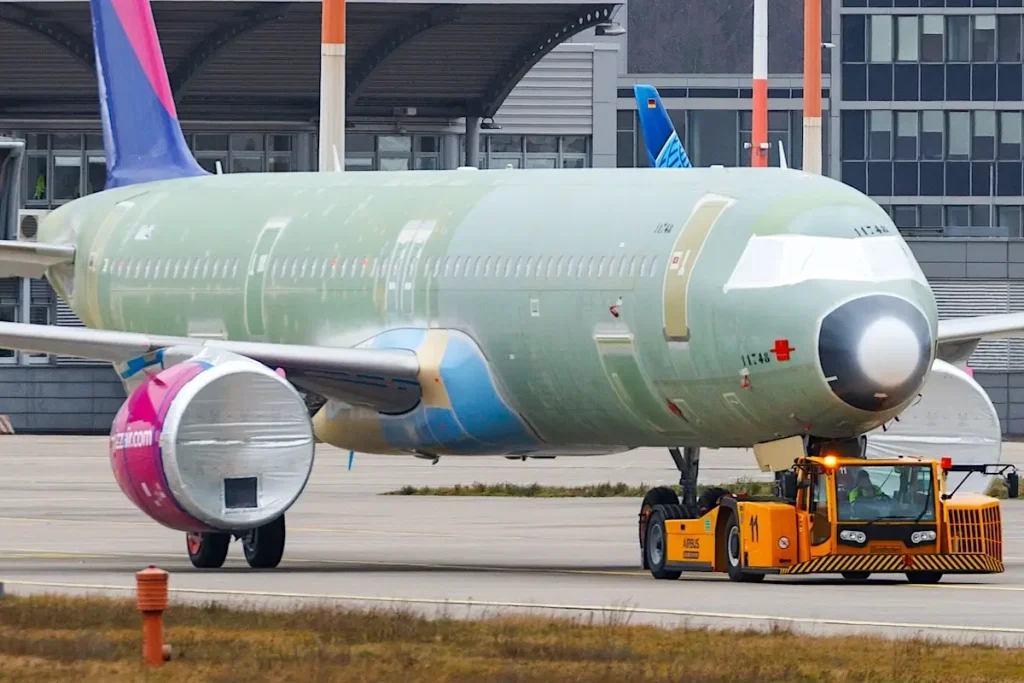
Returning the remaining grounded A320neo family aircraft to service within 18 months is a significant improvement over earlier forecasts. Previously, Wizz Air flagged that the grounding pressures would be felt to the end of the 2020s, and even possibly into the early 2030s.
During the height of the grounding, Wizz Air averaged 44 planes on the ground, but at its peak that figure reached nearly 60 units; therefore, the number of aircraft parked today is an improvement for the European carrier.
Wizz Air plans fleet reactivations
Wizz Air’s plan to reactivate its Airbus A320neo family aircraft that remain on the ground gradually rests on several pillars aligning, with the technical side and Pratt & Whitney ultimately being the biggest issues that need resolving.
Pratt & Whitney, the provider of the GTF engines on the single-aisle family, is said to have now expanded its inspection and repair capabilities over the years in response to the crisis. Additionally, Wizz Air has signed a selection agreement that gives it access to spare engines sooner; Those spare engines will help return aircraft to service.
The agreement runs through the end of 2026. It will cover both operational support and direct compensation for the aircraft that have been grounded, alleviating some of the financial burdens taken on.
The compensation component is vital for any airline that has gone through disruption over the years, as Wizz Air has. This global grounding has put immense pressure on airlines; their latest assets, intended to be economic, efficient, and youthful, have instead remained parked for extended periods.
Wizz Air has been extending the lease of older A320ceo family jets to try to fill capacity while its larger A321neos have been on the ground; operationally, that has brought up costs. Wizz Air has also reallocated available aircraft to maximise block hours; that has pushed utilisation higher than the typically accepted levels.
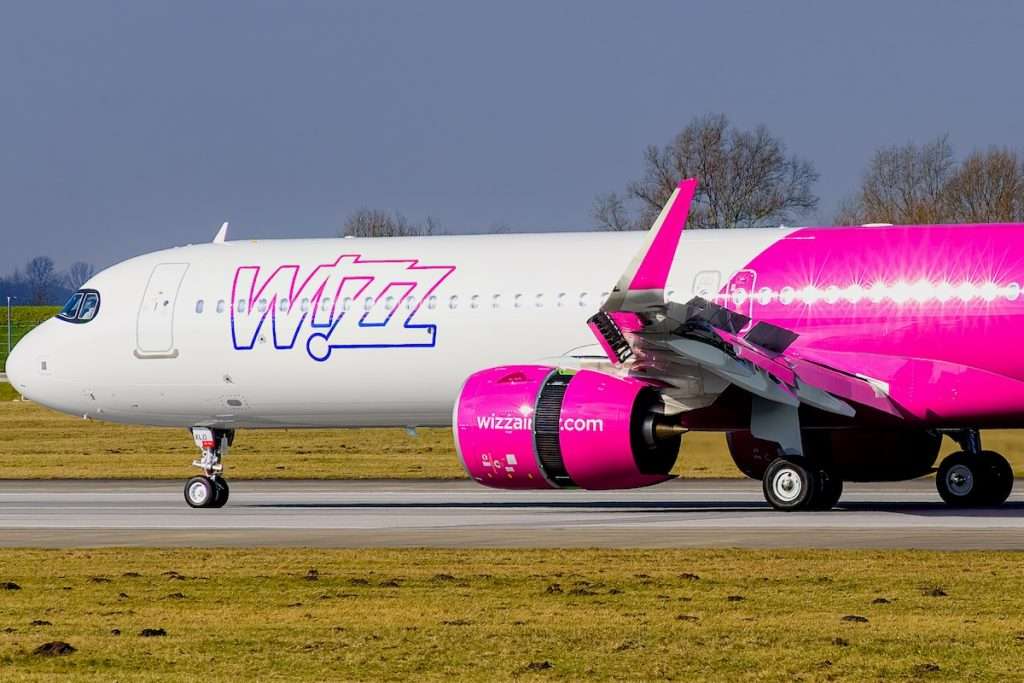
Any fleet reallocation conducted by Wizz Air must balance operational, financial, and broader fleet-planning considerations. Financially, Pratt & Whitney’s compensation to Wizz Air is categorised as other income in its quarterly results and rose to €107.2 million during Q1 FY27 from €97.6 million a year earlier.
Despite progress on the ungroundings and a clear pathway to the end, the budget carrier still reported a €198 million net loss in Q1 FY27 and slipped into the red, as engine disruptions persisted and soaring fuel prices hurt the business.
Demand and revenue have remained strong for many airlines, but the sheer scale of outgoings has presented unfavourable conditions, with groundings not helping. Ultimately, the path to returning the remaining aircraft with off-wing GTF engines has become clearer and gives Wizz Air hope that the restoration will be complete by the end of 2027.

ABOUT THE AUTHOR
Daniel Fowkes is a Melbourne-based aviation analyst and journalist with over a decade of industry experience. As founder of Dj’s Aviation, he delivers trusted analysis on aircraft, airline strategy and global aviation trends for djsaviation.net
Related Articles




Stay Informed
Get the latest aviation news, analysis and route updates delivered to your inbox.
We respect your privacy. Unsubscribe at any time.
Enjoyed this story?
Make us your go-to for aviation news
Add us as a preferred source on Google and see our latest stories first in Top Stories.
Add Us On Your News FeedRelated articles
· Airlines
Allegiant Air Buys Six More 737-8s From Boeing
Daniel Fowkes
26/10/2026
· Airlines
Emirates vs Qatar Airways: The Gulf Superhub Rivalry Compared
Bryan Shelmon
26/10/2026
· Airlines
Riyadh Air Is Moving Away From Riyadh
Daniel Fowkes
26/10/2026
· Airlines
Emirates Isn’t Worried At All
Daniel Fowkes
25/10/2026