
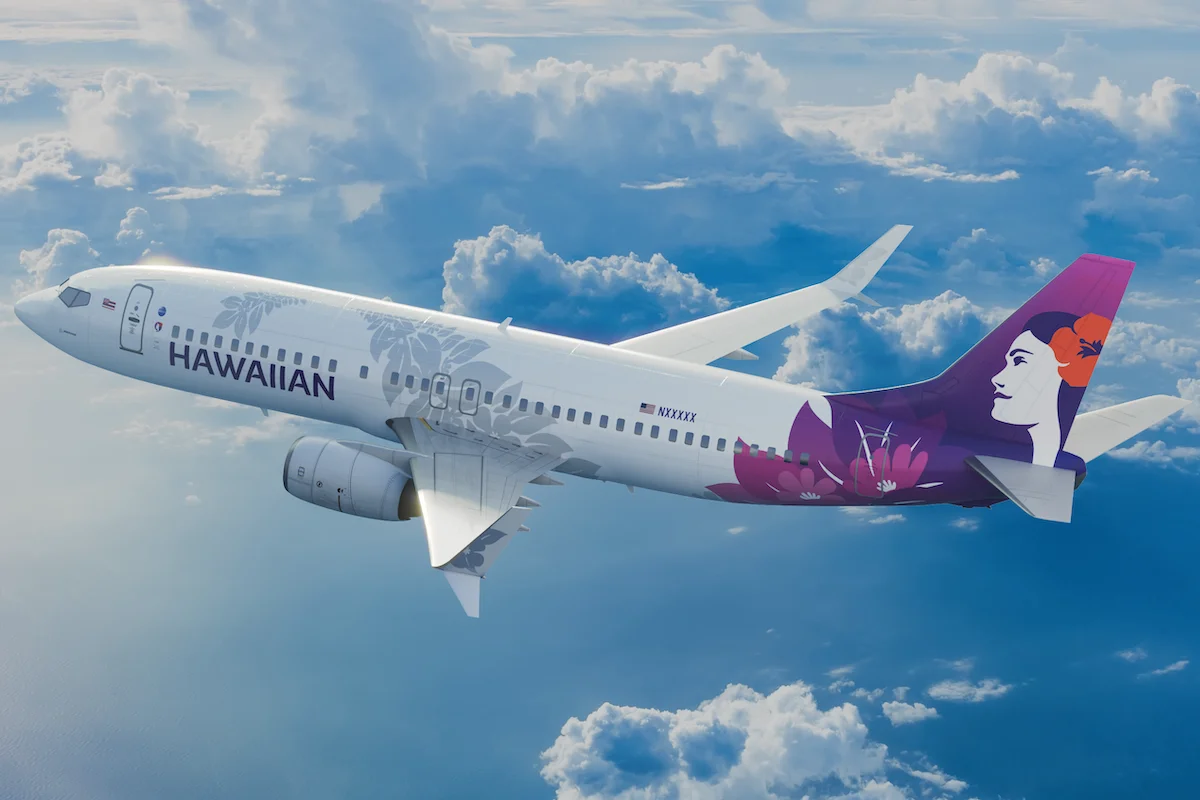
Hawaiian Airlines is about to become a Boeing 737 operator for the first time in its modern history, and it’s a move that rests heavily on the integration with Alaska Airlines.
In a post-merger strategy, the move to the 737 for the Island carrier is a replacement and growth tactic that aims to overhaul how Hawaiian serves key markets.
Why This Is Happening Now
Two realities drive Hawaiian Airlines’ move: its current fleet of 717s is old and needs to be replaced, and the inter-island demand that has supported the 717s has outgrown these jets’ capacity.
Hawaiian Airlines has been using the Boeing 717s for quite some time; with the fleet comfortably above the 20-year mark, it remains one of the few airlines still reliant on the jet. Qantas was a former operator but axed the regional jet in favour of the next-generation Airbus A220.
With the Boeing 717s deployed on high‑frequency shuttle routes linking Honolulu with Kahului, Līhuʻe, Kona and Hilo, this is done on a model no longer in production. Furthermore, the 717 fleet is small and remains active, with just dozens still in service; the wear on the units is greater thanks to Hawaii’s climate.
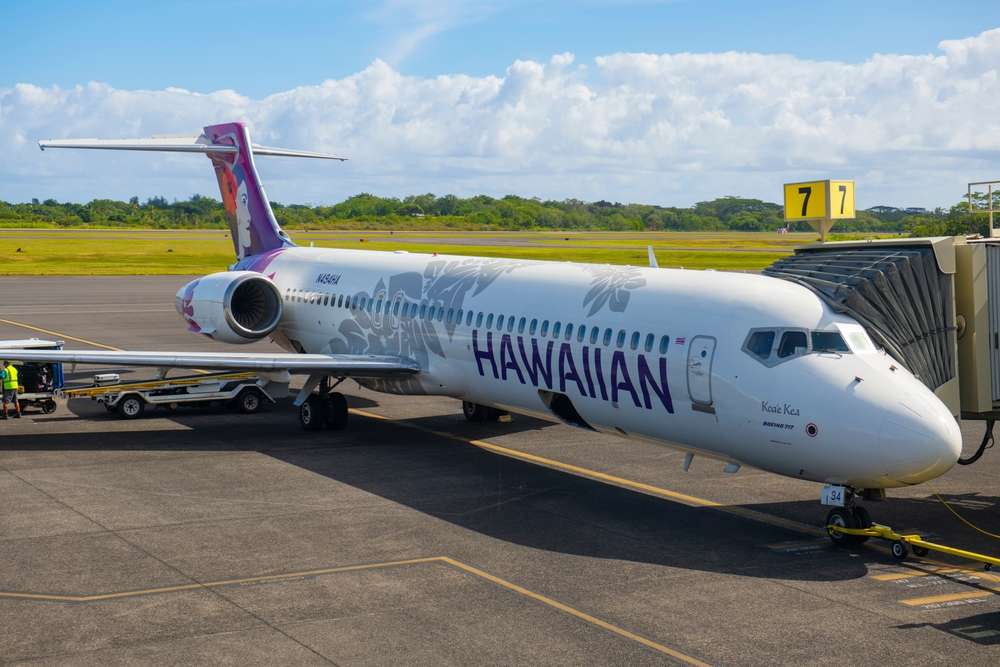
For several years, executives at Hawaiian, even before the Alaska Airlines merger, were looking towards a replacement decision by the end of the decade. With Alaska coming in, the work to get this solved sped up significantly.
Now, a decision has arrived: Alaska and Hawaiian have finally made the move that’ll see the 717s retired in 2028, and former Alaska 737-800s head to facilities for refurbishment and repainting before taking over inter-island flying routes.
Capacity is a strong driver for this decision. The 717s seat fewer than 130 passengers; the 737-800s can offer more than 30 seats per flight for additional space and revenue opportunity. The CEO of Hawaiian said it needed capacity, especially during the middle of the day when demand peaks to neighboring islands.
In a market where adding frequencies has become hard, airlines have begun pivoting harder than ever towards adding seats on their aircraft. This trend is visible through the heightened purchases of models like the A321neo and 737-10 over the base jets in their families.
Alaska Airlines’ Fingerprints On Hawaiian Grow
When Alaska bought Hawaiian, there was great optimism and equal concern from analysts about what would happen to the long-established and iconic latter. For the 717 replacement, Airbus and Embraer were seemingly offering the table for the inter-island fleet.
Alaska is committed heavily to the Boeing 737 family, with not only a large pool of 737-800s but also a strong commitment to the 737 MAX. By keeping Hawaiian on Boeing narrowbodies, the ease of commonality in maintenance, training and spares increases tenfold.
Instead of ordering brand-new aircraft and fronting the cost, redeploying existing 737-800s from the Alaska network presented itself as an optimal choice. Each jet will be refurbished, fitted with the Hawaiian-specific cabin, and repainted inside and out before being based in Honolulu.
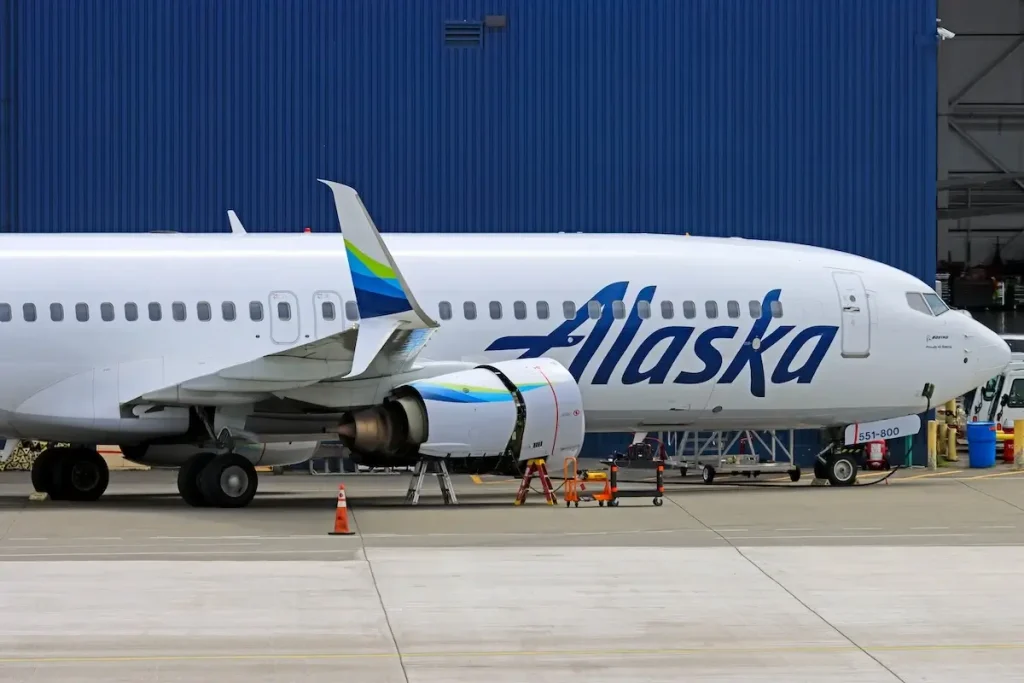
This move keeps capital costs much lower than a completely fresh order and allows Alaska Airlines to transition to newer 737 MAX jets for its mainline fleet more quickly. The jets, once converted, will see a doubling of First Class seats, more extra-legroom seats, and improved seat space over the outgoing 717s.
These improvements are not just vital to the Hawaiian Airlines inter-island network that has been screaming for upgrades but also align closely with how Alaska Airlines has been built. It’s a parent company now bringing its playbook to the neighbouring island franchise that it has acquired, even if the brand has changed.
Hawaiian Airlines Says Goodbye To Boeing 717
The retirement of the Boeing 717s, facilitated by this change, is the only aircraft affected by the move. These jets have defined the inter-island experience for two decades and offered reliable and fast turnarounds with a 2-3 seating layout.
However, the aircraft have unfortunately become more expensive to maintain over time, and the support network for parts has become increasingly challenging to manage. As a consequence, and as is the circle of life for commercial airplanes, the need to source a replacement grew in the list of priorities.
Under the Alaska plan, the 717s will remain within the network until the late stages of this decade, with the formal transition only to commence in 2028. However, that transition is expected to move quickly. In the meantime, a lone Alaska-branded 737-800 will be deployed between Honolulu and Kahului starting in October 2026 as an interim step.
The interim step means the airline can ease capacity stress and familiarize itself with 737 operations, including how three daily round trips compare to the smaller 717.
Why did Alaska Airlines select the Boeing 737-800 to replace Hawaiian Airlines’ Neighbor Island Boeing 717 fleet?
The 737-800 was selected because it is a proven, reliable aircraft well suited for the unique demands of Neighbor Island operations, which involve short flight segments, frequent daily cycles, and a challenging salt-air environment. The aircraft provides greater reliability, capacity to support frequent departures throughout the day, and a significantly enhanced onboard experience for Hawaiʻi travelers. This investment reflects Alaska’s long-term commitment to strengthening Hawaiian Airlines and serving Hawaiʻi well into the future.
When will we start to see Hawaiian-branded Boeing 737-800s flying Neighbor Island routes?
Our goal is to begin this fleet transition in 2028 and move quickly to bring this additional capacity and enhanced experience to our guests.
Will Neighbor Island service continue to be operated by local Hawaiʻi-based employees?
Yes. The future Neighbor Island 737-800 fleet will be based in Honolulu, and the core Neighbor Island service will be flown and crewed by Honolulu-based pilots and flight attendants. We will also maintain maintenance capability in Honolulu to support the operation and continue leveraging Hawai‘i-based technical expertise.

ABOUT THE AUTHOR
Daniel Fowkes is a Melbourne-based aviation analyst and journalist with over a decade of industry experience. As founder of Dj’s Aviation, he delivers trusted analysis on aircraft, airline strategy and global aviation trends for djsaviation.net
Related Articles




Stay Informed
Get the latest aviation news, analysis and route updates delivered to your inbox.
We respect your privacy. Unsubscribe at any time.
Enjoyed this story?
Make us your go-to for aviation news
Add us as a preferred source on Google and see our latest stories first in Top Stories.
Add Us On Your News FeedRelated articles
· Analysis
· Airbus
· Aircraft
· Boeing
Airbus A350-1000 vs Boeing 777-9: The Next-Gen Widebody Matchup
Bryan Shelmon
22/09/2026
· Aircraft
· Airbus
· Boeing
Airbus Confused By Boeing’s New Aircraft
Daniel Fowkes
18/09/2026
· Aircraft
· Boeing
Boeing May Not Launch The 797?
Daniel Fowkes
15/09/2026
· Aircraft
· Boeing
Boeing Scrapped A Brand New 777X
Daniel Fowkes
13/09/2026