
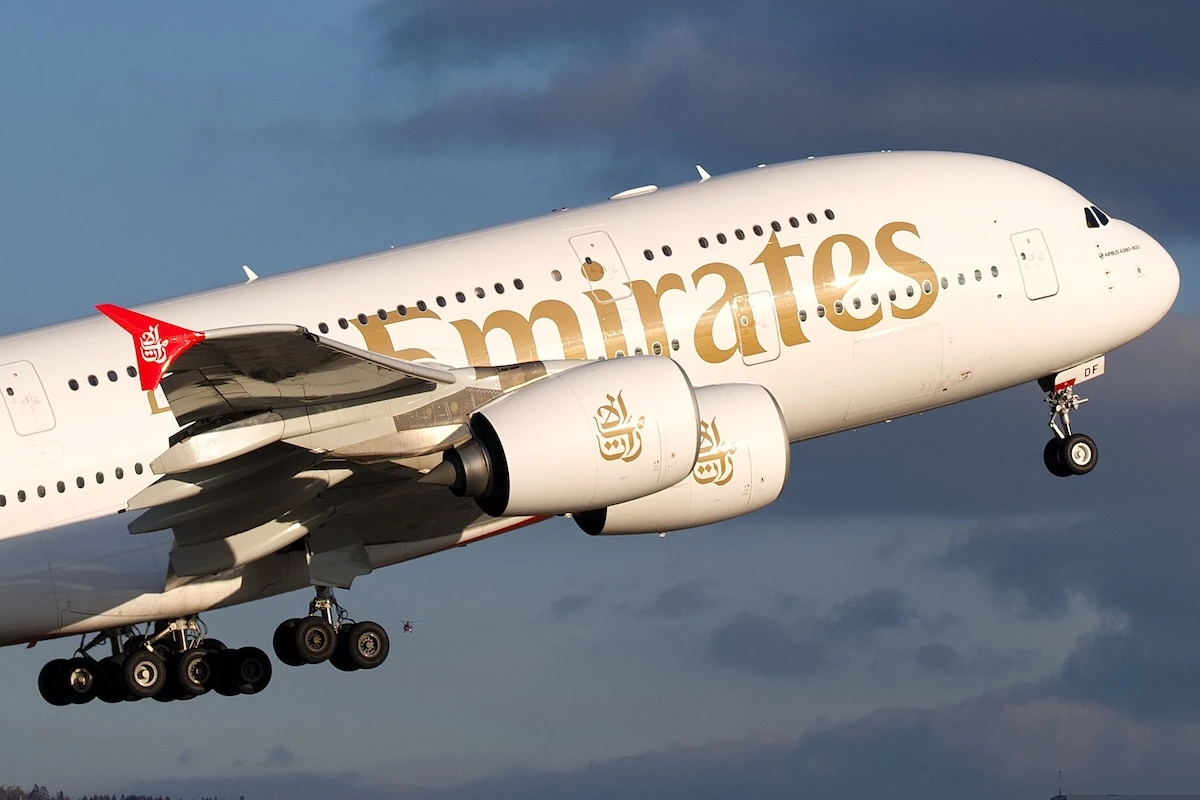
Emirates attempted to create its dream aircraft with Airbus after its success with the A380 superjumbo.
Coined the Airbus A380neo, this next-generation aircraft was proposed to replace the A380 program with a few modifications to make it the ideal jet for Emirates. However, with demand coming predominantly from one airline, the idea was terminated before it could get started.
Without their dream aircraft, Emirates is seeking a new strategy to replace its iconic A380 fleet.
Why Emirates Wanted An A380neo
The Airbus A380 has been Emirates’ flagship aircraft since its first delivery in 2008. Over the course of the program, the airline received 123 A380 aircraft, accounting for nearly half of all A380s produced. Emirates clearly considered the A380 a perfect fit for its operations.
Its hub is Dubai International Airport (DXB), the busiest airport in the world for international flights. Moving more than 90 million passengers to major international hubs such as London, New York, and Sydney requires the capacity of a superjumbo.
Unfortunately, Airbus ended the A380 program in 2021. And with the current fleet aging, Emirates was highly motivated to inquire about a follow-up aircraft to achieve even more. Emirates President Sir Tim Clark championed the idea for the A380neo. It would feature updated Rolls-Royce UltraFan Engines and a lighter airframe for more fuel efficiency. It also expanded seat capacity to support growing travel demand.

The A380neo superjumbo was proposed to maintain and upgrade Emirates’ passenger experience. Only an aircraft of this size could accommodate in-flight amenities such as lounges, first-class suites, and showers. No other aircraft on the market is large enough to accommodate all of its additions, so switching aircraft would mean altering the passenger experience.
Expanding capacity on a Neo model would also make the aircraft more suitable for its highest demand airport routes. London Heathrow and New York’s JFK are prime examples of slot-constrained airports with growing demand. The proposed 600+ seat capacity would be more efficient for moving passengers instead of scheduling multiple aircraft at these busy airports.
The Challenges In A New Model Release
Having demand for an aircraft that’s still in the design stage can be promising for an aircraft manufacturer. However, the demand was far from sufficient to support further investigation of the A380neo program. And that was just the beginning of what made this idea fall apart from the start.
With more than half of its fleet comprised of Airbus aircraft, Emirates has established a great relationship with the manufacturer. So, when they discuss an aircraft, Airbus takes it seriously.
The problem is that Emirates was the only airline interested in a superjumbo. Air France, Lufthansa, and Etihad are other major airlines that operated the A380 but retired them early in favour of more fuel-efficient aircraft. Industry trends have advanced beyond the A380’s quad-engine design to high-powered twin-engine aircraft that can fly the same routes.
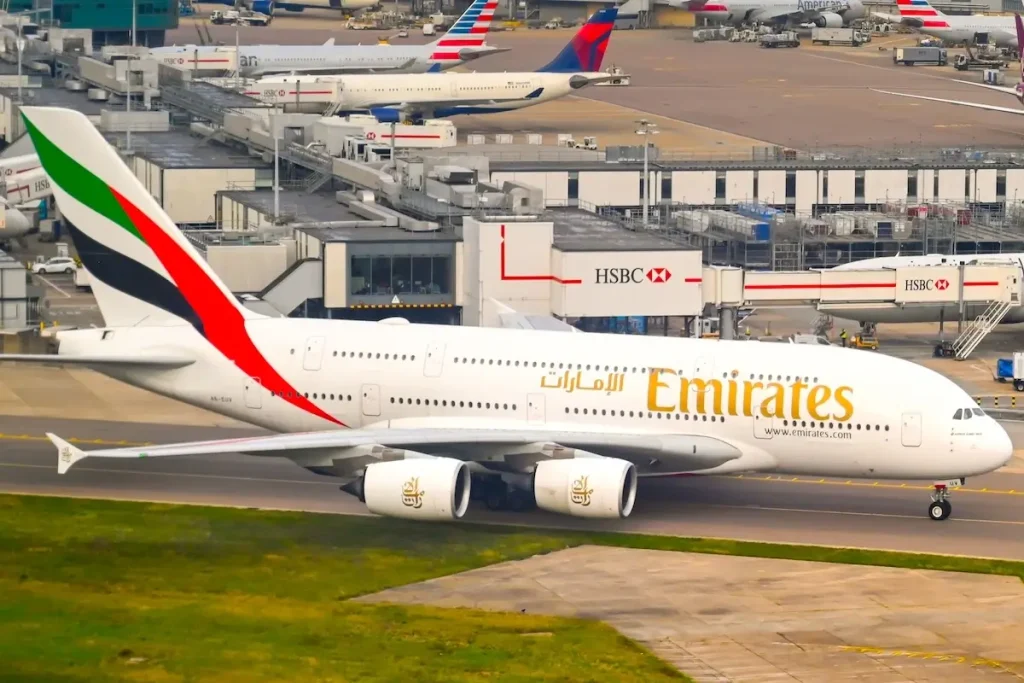
The A380 program was ultimately a failure from a profit-loss perspective. The high investment in developing the original superjumbo never turned a profit and resulted in billions of dollars in losses. Emirates’ demand for the aircraft was not enough to keep the program running.
Airbus is seeing a similar situation with the A380neo, with Emirates being the only airline interested in the project. It’s estimated to cost more than US$20 billion to develop. Although Emirates has shown interest in supporting the development, it won’t be enough to cover the substantial costs.
Airbus is also considering travel trends. While Emirates sees a growing need for high-capacity superjumbos, producing a 600+ seat aircraft may be considered overkill for actual demand. Next-gen aircraft from Airbus and Boeing are moving closer to 400-500 capacity, which can be more than enough to sustain the demand even from popular routes like Dubai to Sydney or JFK.
Did Emirates Give Up On The A380neo Eventually?
Emirates and Airbus began talks about an A380neo program as early as 2014. Throughout the next decade, the idea would re-emerge periodically from Emirates only to be rejected by Airbus.
Even with the changing travel landscape, it still didn’t change much of Airbus’s reservations about developing a follow-up to the A380. The high development costs and no market demand outside of Emirates proved it to be unfeasible.
Although the A380neo would be the dream aircraft for Emirates, not having it left the airline stuck with determining an alternative solution.
Emirates is currently flying the most A380s out of any airline while many others continue retiring it from their fleets. The A380 has become a symbol of Emirates, and they have different plans. Since the A380neo won’t be developed as they hoped, they’re looking to extend the life of their current fleet of A380s.
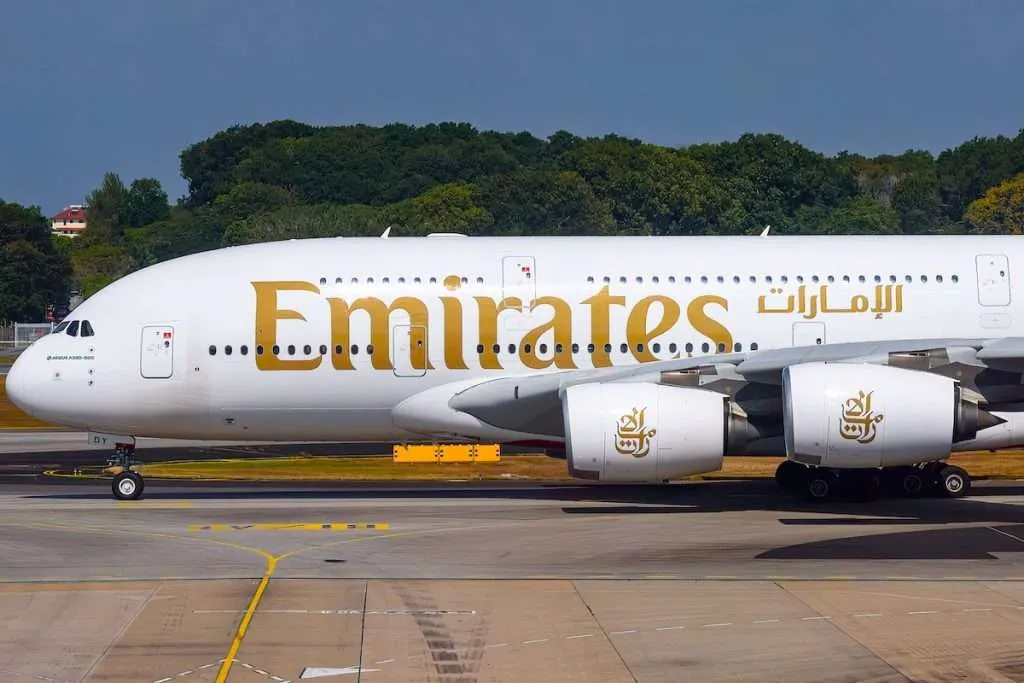
The airline is currently in a major restoration project to update more than 100 A380 aircraft. The 2030s will see most A380s decommissioned, but Emirates hopes to add another decade to its fleet. It will strategically use retired A380s for parts to service active aircraft since Airbus stopped production.
Sir Tim Clark has had a long, successful career with Emirates since 2003. Under his leadership, the airline has grown into one of the world’s powerhouses. As long as he remains at the helm, he may still hint at ideas of an A380neo as he’s done in the past.
What Next?: Is It The 777-10 or A350 Stretch?
With no A380neo in sight, Emirates must still consider a long-term replacement plan for its A380 fleet. Even with fleet restoration and maintenance, it will soon be an obsolete giant. Most notably, with its quad-engine design and rising fuel costs making it increasingly expensive to operate.
Airbus has turned its focus on developing high-capacity twin-engine aircraft for long-haul flights instead of an A380neo program. Emirates is currently updating its fleet with the A350-900 and expressing interest in the longer A350-1000. One project Airbus is considering is the A350 stretch, or A350-2000, which would be an excellent fit for Emirates, thanks to its expanded capacity rivalling the A380.
Emirates has also shifted its fleet upgrade program to include more Boeing aircraft, becoming the largest customer of the 777-9 with 270 orders. Considerations for a stretched version to satisfy Emirates’ desire for a larger aircraft may even lead to a 777-10 emerging. Just as soon as the long-awaited 777-9 aircraft are finally delivered.

ABOUT THE AUTHOR
Bryan Shelmon is an aviation journalist with 10 years of experience covering commercial aviation, private aviation, airports, aircraft and wider industry news. Based in the Detroit metropolitan area, he has contributed to publications including Lonely Planet, Matador Network and Visit Detroit.
Related Articles




Stay Informed
Get the latest aviation news, analysis and route updates delivered to your inbox.
We respect your privacy. Unsubscribe at any time.
Enjoyed this story?
Make us your go-to for aviation news
Add us as a preferred source on Google and see our latest stories first in Top Stories.
Add Us On Your News FeedRelated articles
· Airlines
Allegiant Air Buys Six More 737-8s From Boeing
Daniel Fowkes
26/10/2026
· Airlines
Emirates vs Qatar Airways: The Gulf Superhub Rivalry Compared
Bryan Shelmon
26/10/2026
· Airlines
Riyadh Air Is Moving Away From Riyadh
Daniel Fowkes
26/10/2026
· Airlines
Emirates Isn’t Worried At All
Daniel Fowkes
25/10/2026