
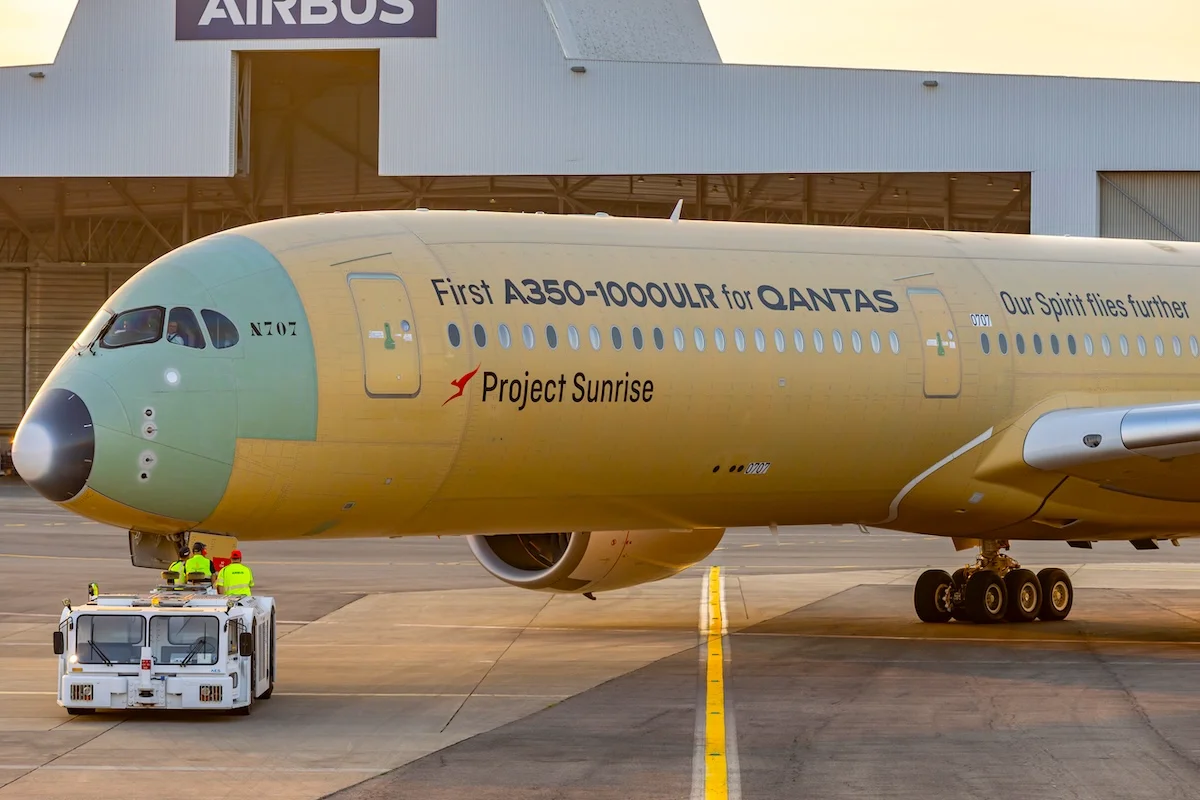
Airbus has just pushed its brand new A350-1000ULR to the limits with a marathon journey from Toulouse to Melbourne in Australia.
The nonstop journey, attracting headlines around the world, wasn’t about publicity but rather another careful step in certifying the ULR model destined for Qantas.
Being able to prove this jet is capable of flying 20-hour journeys between Sydney and London is critical to paving the way for the green light to come for certification. Dress rehearsals like this on MSN707 are the best way to make it happen.
Airbus’ Marathon A350-1000ULR Flight Detailed
The aircraft MSN707 operated the lengthy service down under; registered as F-WULR, it’s the first A350-1000ULR built for Qantas and took off from the planemaker’s base of Toulouse Blagnac on the morning of Thursday 23 July 2026 local time.
It spent nearly 20 hours in the skies before touching down in Melbourne, Australia, the next day on Friday 24 July 2026 at roughly 1100 local time. The significant journey saw Airbus match conditions closely to what the jet will eventually do with Qantas upon delivery.
Flying from Europe to Australia gave engineers the chance to collect real-world data on how systems behave across these large sectors, especially in ambient temperature and conditions, departing in the summer and arriving in the winter.
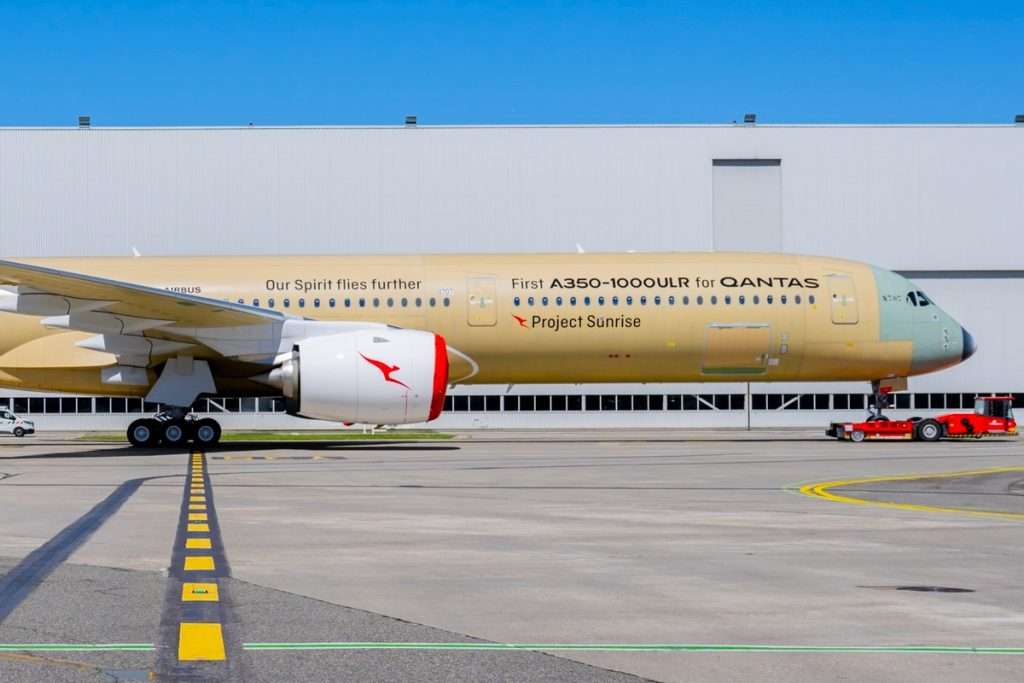
The record flight did not carry passengers; instead, the cabin was loaded with test equipment and flight test engineers to carry out vital studies to verify the new features that make the ULR different from the base A350-1000 model.
Over the near-day-long journey, Airbus gathered a steady stream of performance data that can be taken back home to dissect and ultimately help shape the remaining pillars of the certification program before delivery.
Why Is The A350-1000ULR So Different?
While the Airbus A350-1000ULR isn’t a clean-sheet model and is a derivative of the A350 family, it still breaks barriers previously set for commercial flight. The jet represents a series of tweaks that enable it to add 20,000 litres of fuel capacity, bumping up the range significantly.
Combined with a higher maximum take-off weight and further system optimisation to ensure extended-duration flying is sustainable, the practical endurance of the A350-1000ULR becomes the best in its class. It surpasses anything else available on the market.
The changes being made therefore impact several systems. The fuel system has been redesigned to manage the extra tank that allows for the fuel capacity lift. Therefore, Airbus has to ensure this is safe and that fuel transfer can be efficient during extreme durations.
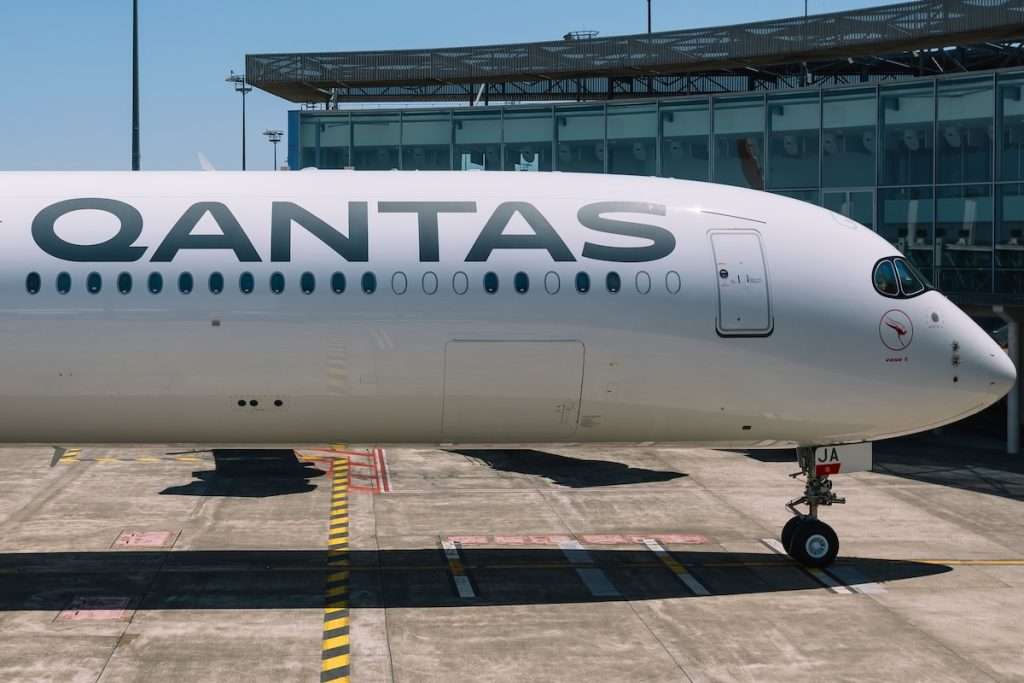
Airbus has also redesigned its new galley air-cooling system to use a lighter, more efficient refrigeration unit tailored for these lengthy flights. The cabin ventilation and other thermal control systems have also been tuned to maintain conditions over a near-full day in the air.
Because MSN707 is to be delivered to Qantas for commercial use, the jet doesn’t act as a demonstrator but rather has become a non-invasive platform for testing. More than 1,000 sensors across the aircraft are present without the cabin being torn up as a regular prototype would.
Thanks to the sensors and work conducted by engineers, capturing detailed data on many elements that make the A350-1000ULR different from the A350-1000 has become easier. The planemaker intends to ensure that the system behaviours and other matters are in line with the service standards already present with its commercial airplanes.
Why Was This 19 Hour Flight Needed?
From a certification standpoint, one ultra-long-haul flight conducted aboard the Airbus A350-1000ULR is vital to the ongoing share of airborne test hours. It will account for roughly a quarter of flight hours logged during the campaign.
While the A350-1000ULR has been seen on short stints across Europe, what makes the service to Australia so dramatically different is not just the distance, but exercising the aircraft in a demanding manner across one sector in one go.
Shorter flights can validate takeoff performance, climb handling, and how basic systems interact. However, during these shorter flights, the teams handling the approval cannot replicate what will happen on Project Sunrise flights, for which the A350-1000ULR has been specifically built.
As a result, during the 19-hour test with Airbus, it can look more closely at how fuel is burned from multiple tanks and pumps. Additionally, it studies engines and how they run at cruise thrust through numerous atmospheric layers and also differing temperature bands while looking inside at the key cabin systems operating for almost a day.
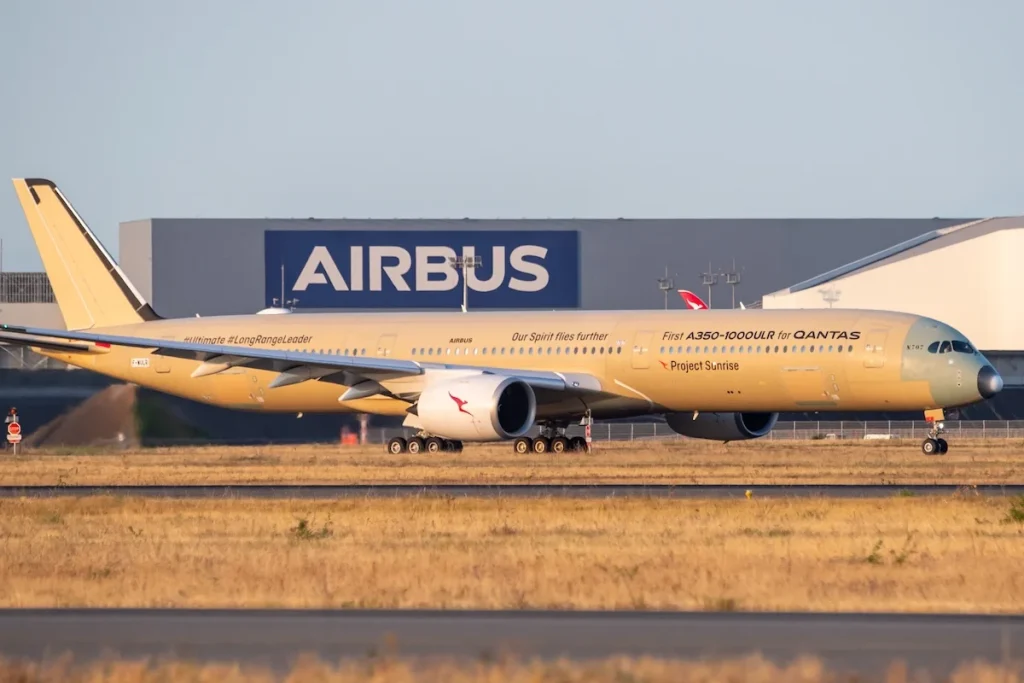
Regulators and Airbus require evidence that a model like the A350-1000ULR can behave predictably for ultra-long-haul flights rather than just short segments. While multi-hour flights are vital to any certification programme, this marathon journey was necessary to provide evidence of the jet’s capability.
Airbus has stated it’ll also use the vast data it accumulates from the ULR campaign to help reshape digital aircraft models and improve predictions based on how fuel systems behave alongside what cabin environments do for future derivatives they may launch.

ABOUT THE AUTHOR
Daniel Fowkes is a Melbourne-based aviation analyst and journalist with over a decade of industry experience. As founder of Dj’s Aviation, he delivers trusted analysis on aircraft, airline strategy and global aviation trends for djsaviation.net
Related Articles




Stay Informed
Get the latest aviation news, analysis and route updates delivered to your inbox.
We respect your privacy. Unsubscribe at any time.
Enjoyed this story?
Make us your go-to for aviation news
Add us as a preferred source on Google and see our latest stories first in Top Stories.
Add Us On Your News Feed